
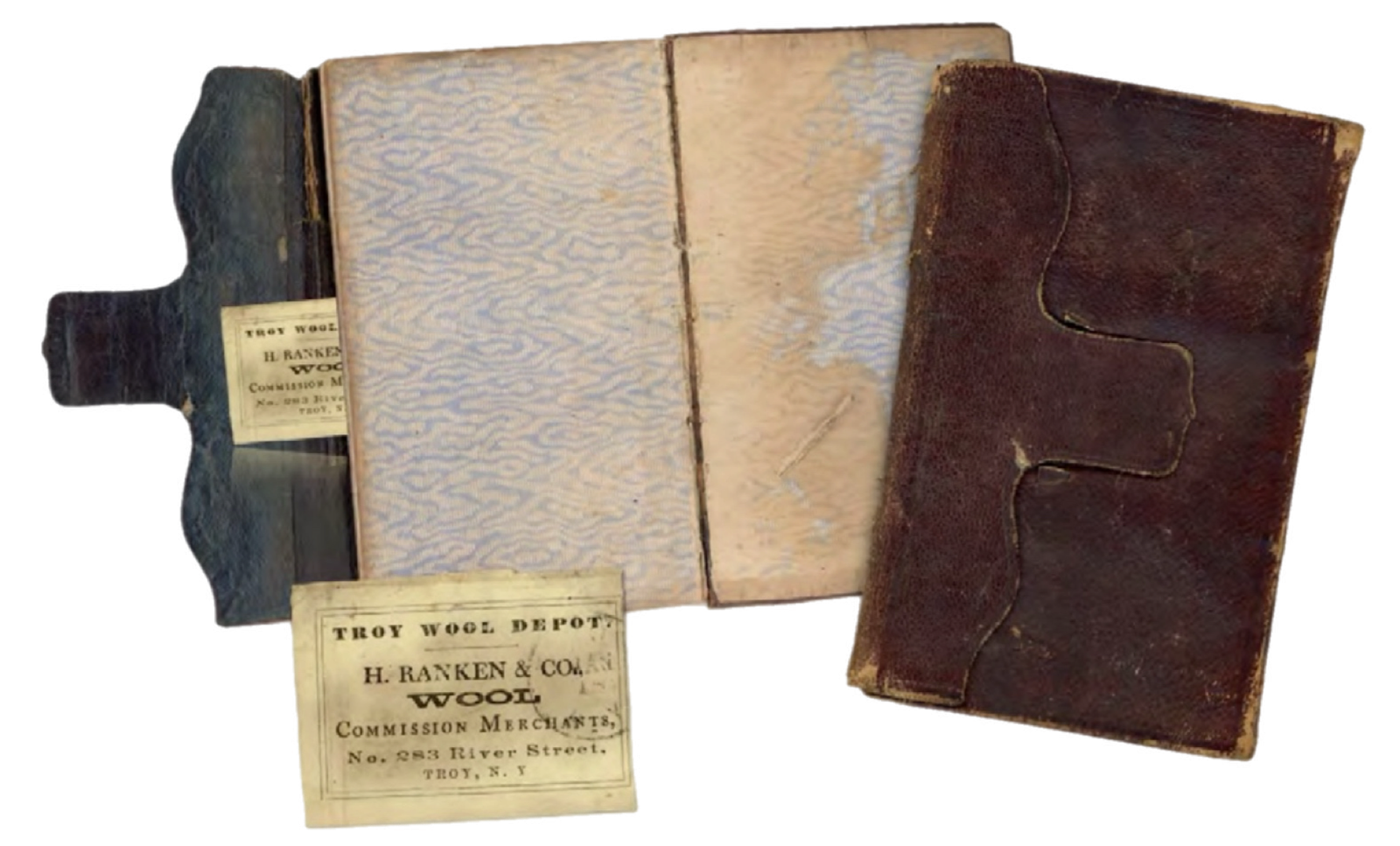



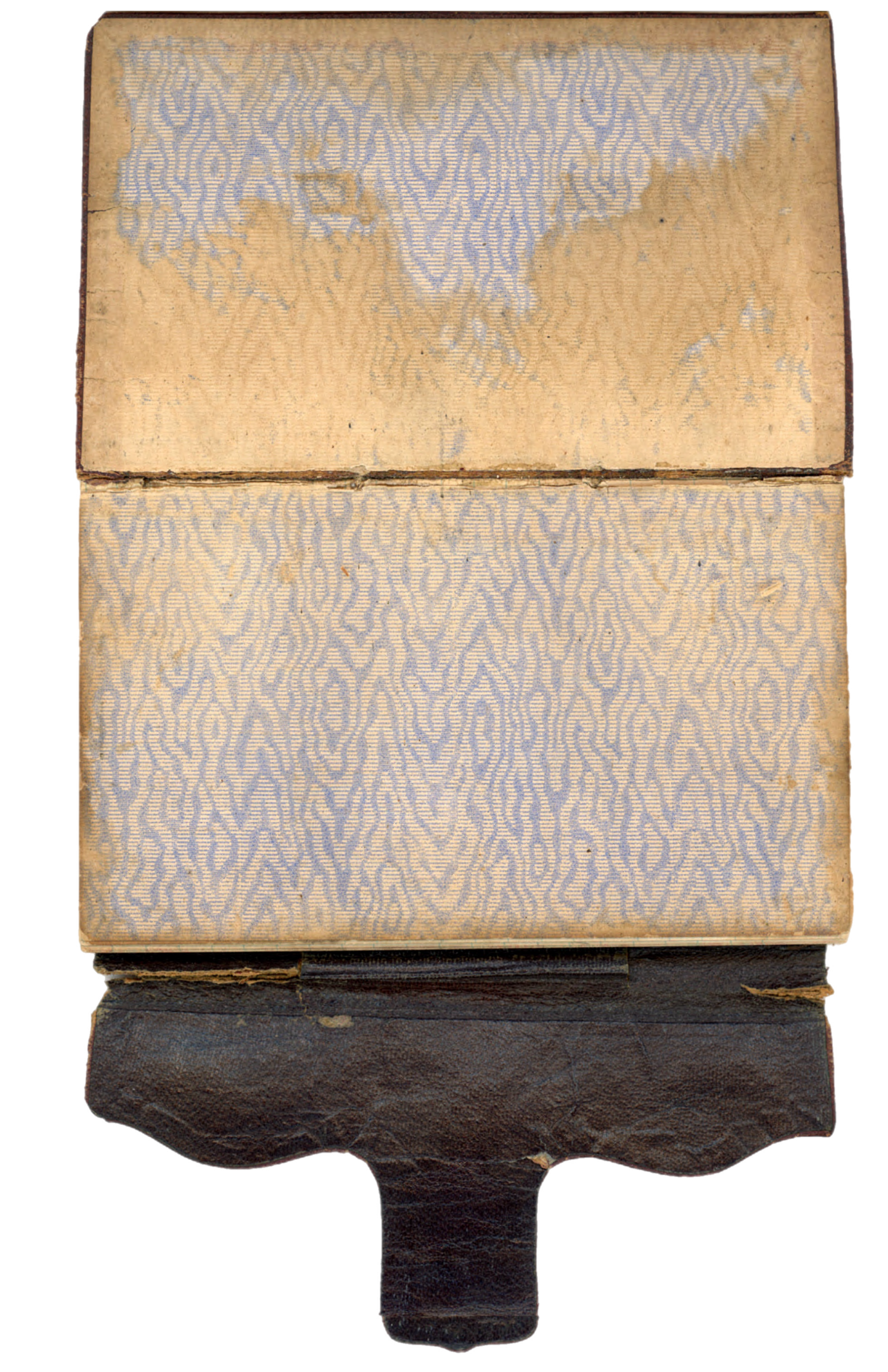
As I strained to lifted a large box of books, a small leather bound journal tumbled at my feet. In the dim attic light, stiff and mottled, with its rough and varied textures, its un-anticipate weight, I found that it held a sharp, unsettling sense of power, my hands felt clumsy, and I, uncomfortable in its grasp. I moved to a place closer to a widow to sit and take a look inside. It is scared by water, touch, percussion, the thong that kept it’s tongue missing, it’s tiny pencil gone. The inside of the cover and page it speaks volumes but have no written words.
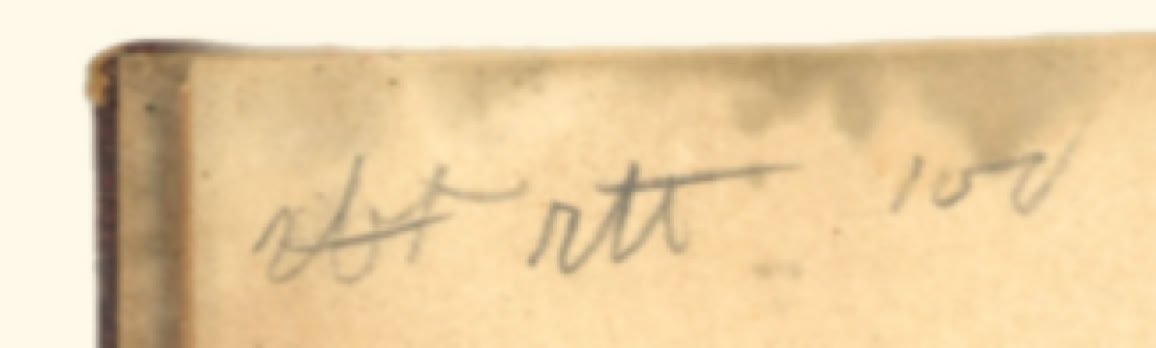
In the very upper left corner, page 2 proclaims, in scratchy, tentative pencil, rbt scratched through, rtt follows, then 100 and that is all, mystery, rtt 100, hmmm. Possibly the number of pages.
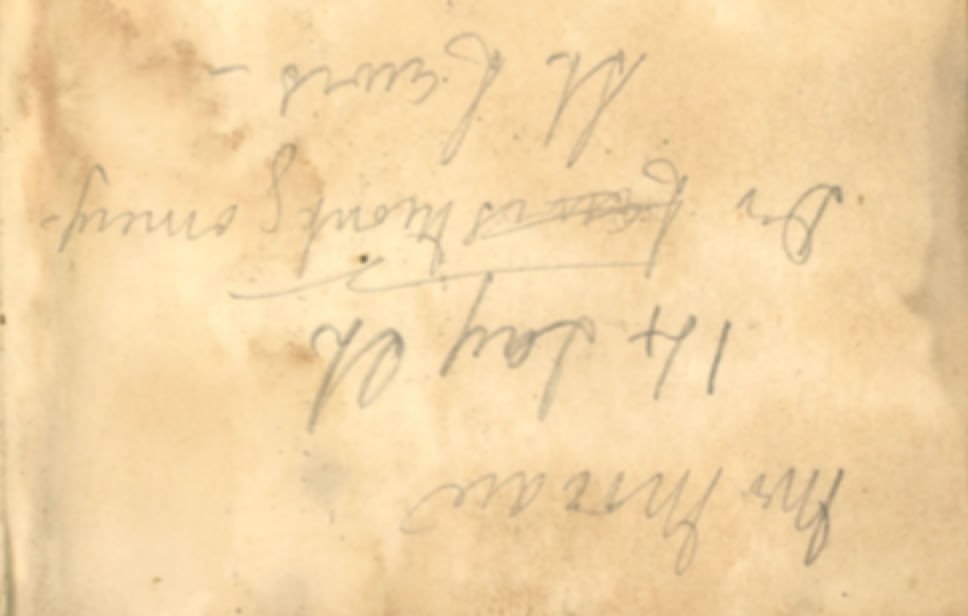
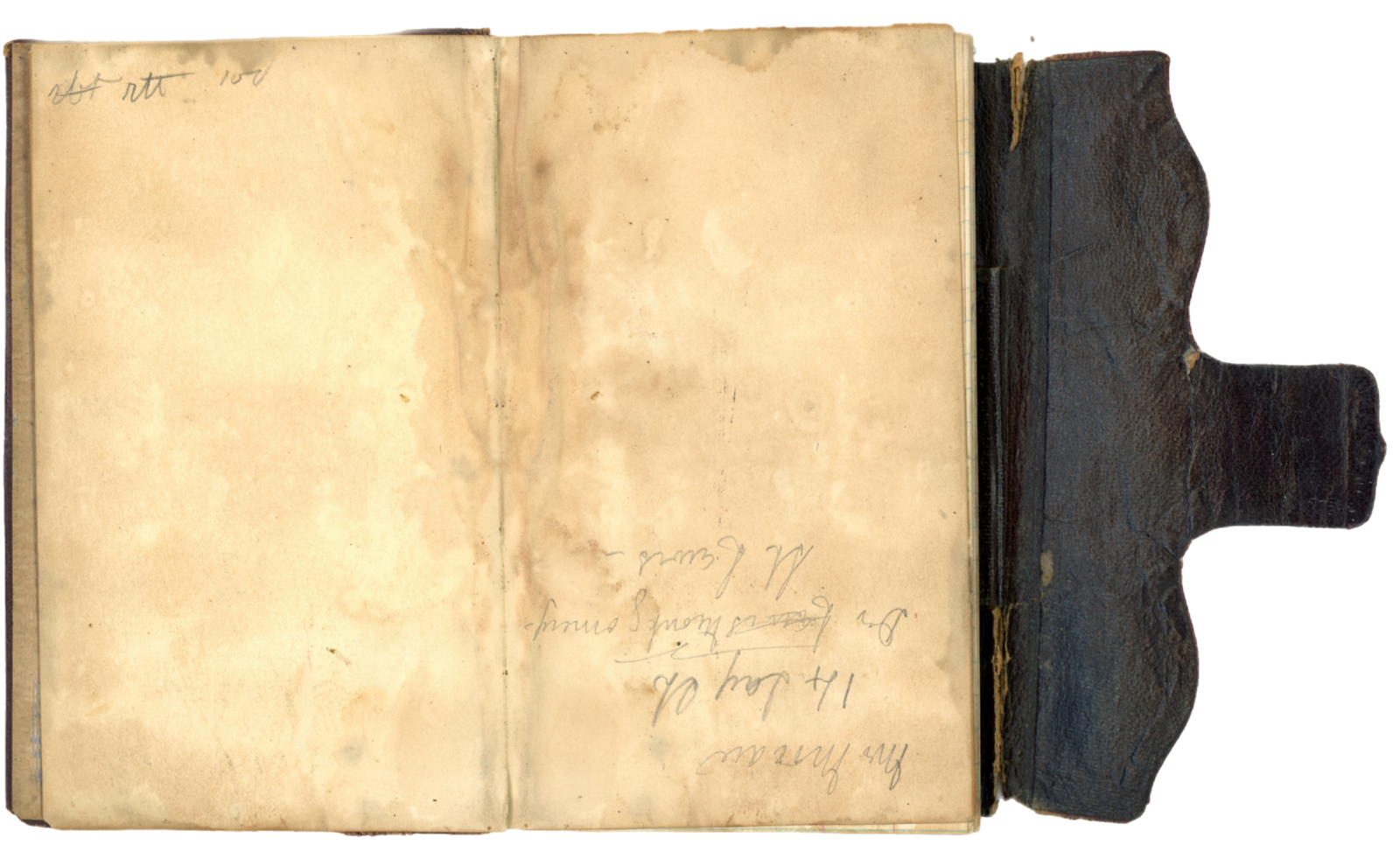
Then topsy turvy, upside down and at its bottom, page 3 delivers the address of Mr Moran as 14 Jay St and a Dr Montgomery is (possibly both are?) associated with St. Lewis. 4 and 5 are gorgeously, tragically mottled but speechless.
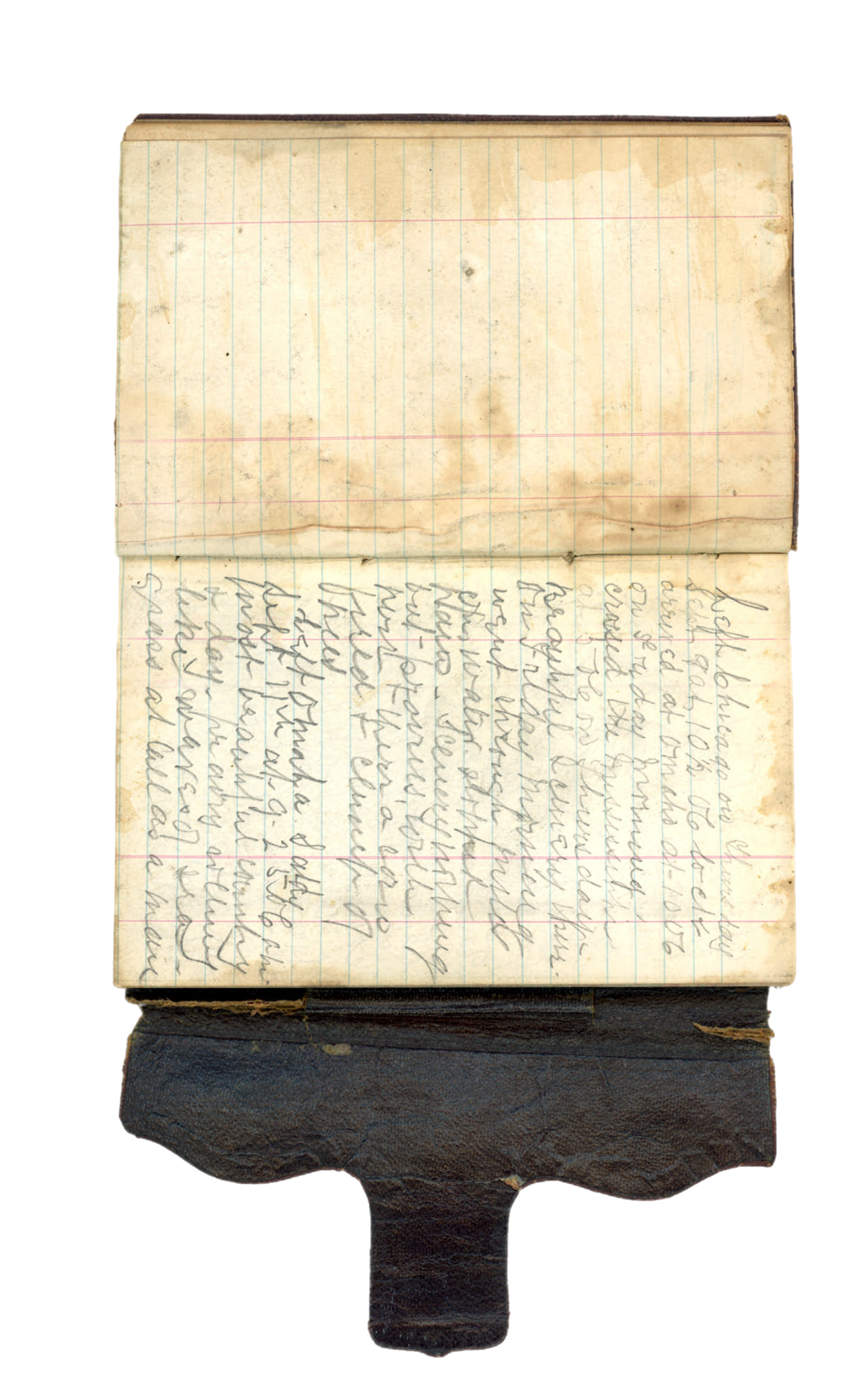
and then, ah, with page 7, a travel journal begins.
As the word reached my ears, “Left Chicago on Thursday Sept 9 at 10 1/2 O’clock arrived in Omaha at 10 06 on Friday morning….” I heard three voices, one for the very first time, first, twenty five year old John Hemphill, second, my sweet sister Carolyn saying,” there will be lots of surprises for you in these boxes and, finally, my mother Jean Parks Hemphill, in aw exclaiming:
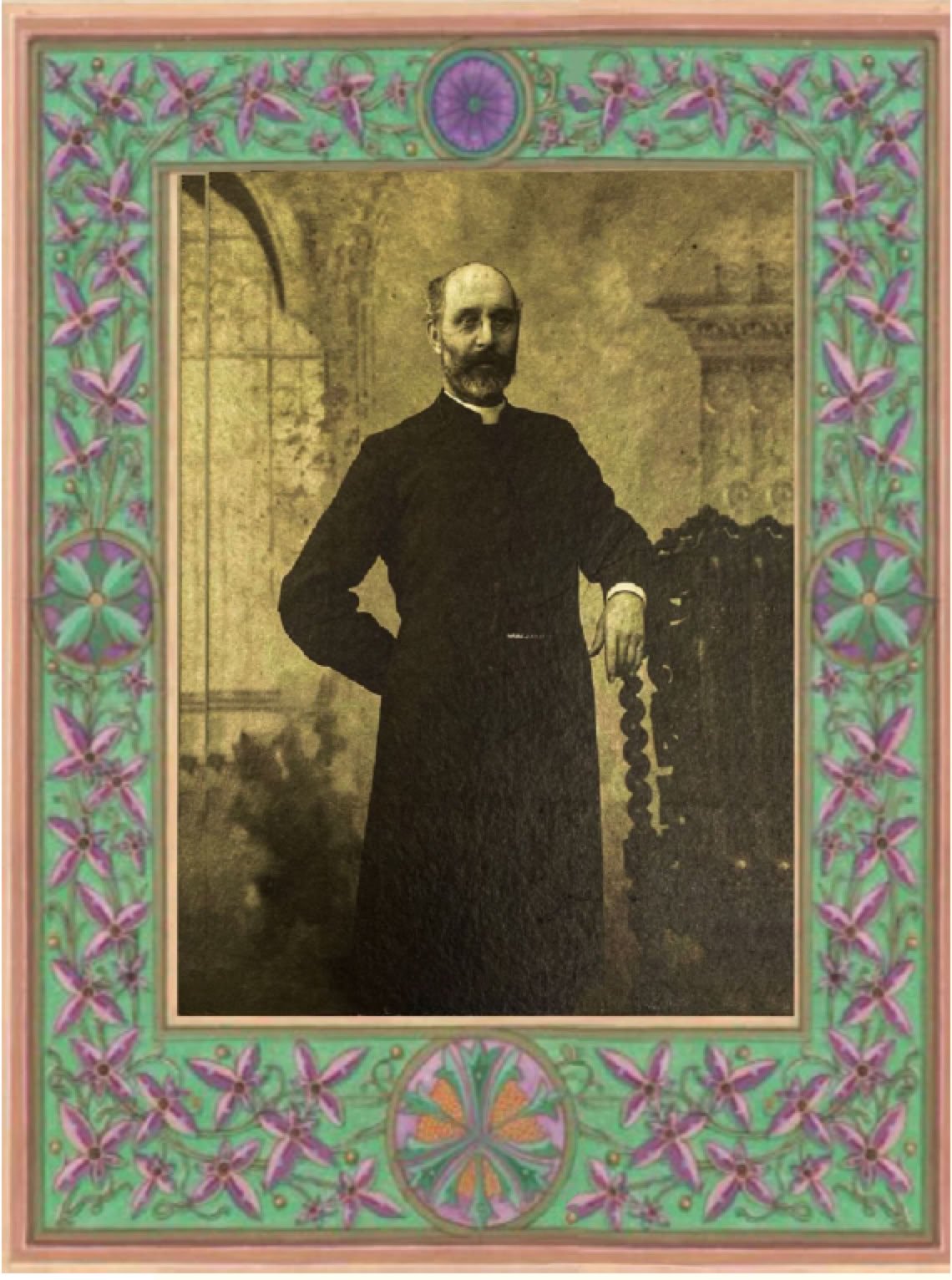
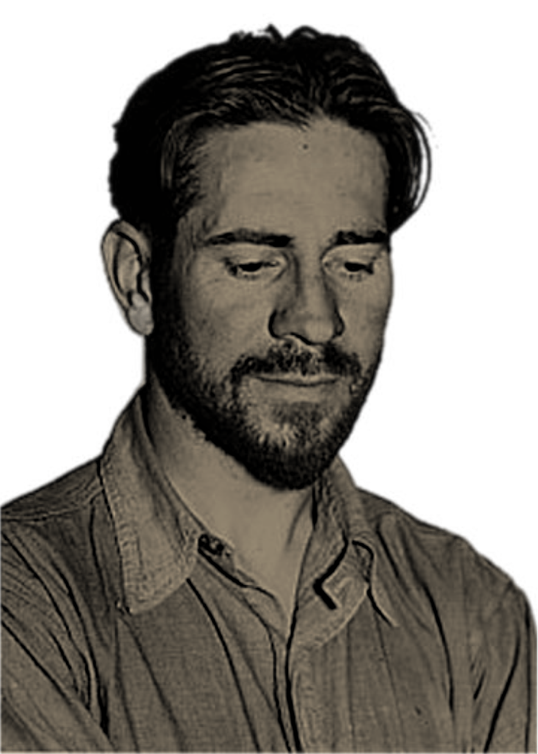
“When he first came to visit, with his height, his beard and sandals, I thought he must be Jesus. This tall bearded man, in long robes with so strong, so eloquent a voice scared me and yet, at the same time his warm love, intelligence and sense of humor drew me in.”
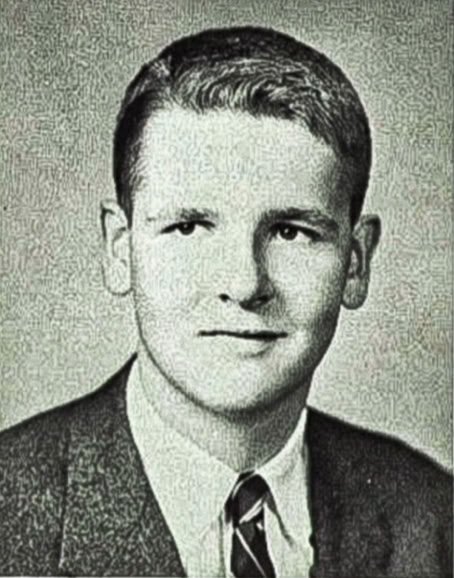
Reverend John Hemphill
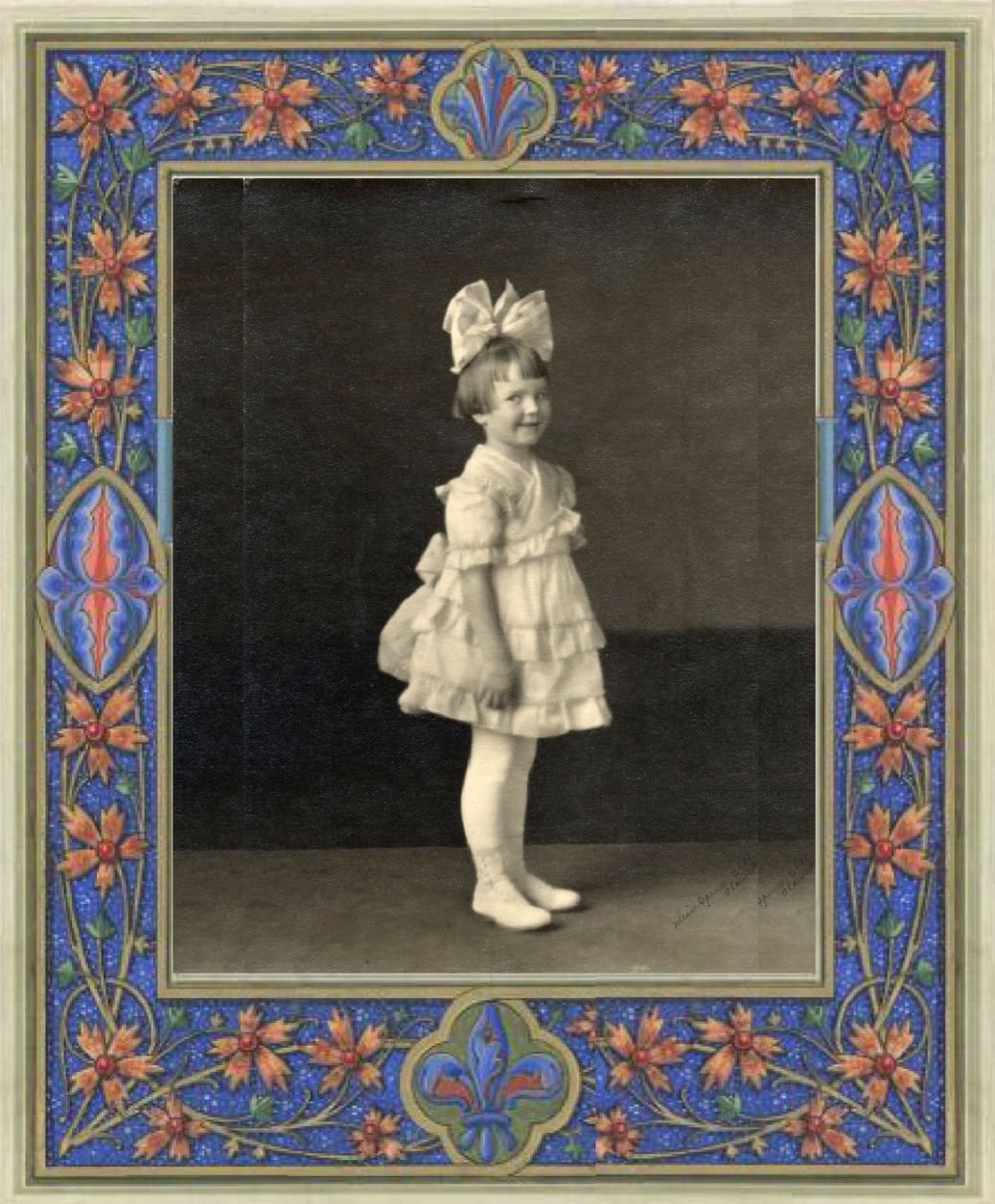
Jean Parks Hemphill
After Jean died, Carolyn brought my inherited gifts from California to Oregon. Many years later I am still catching up with all the treasures inside. Balleykelly, Northern Ireland is where it’s story begins.

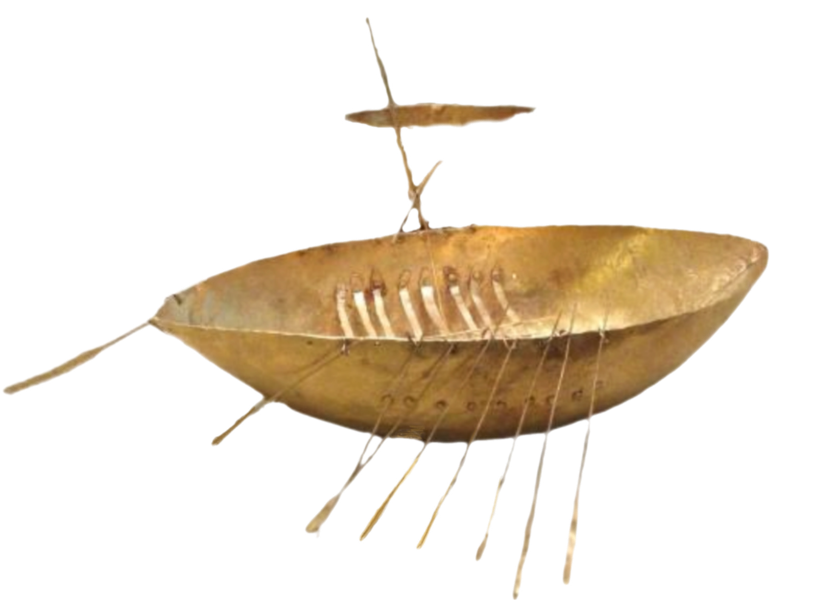
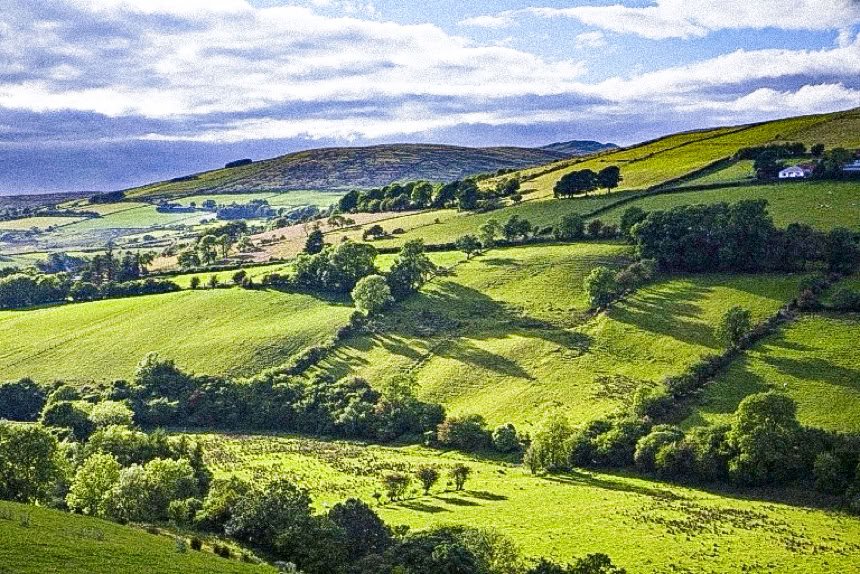
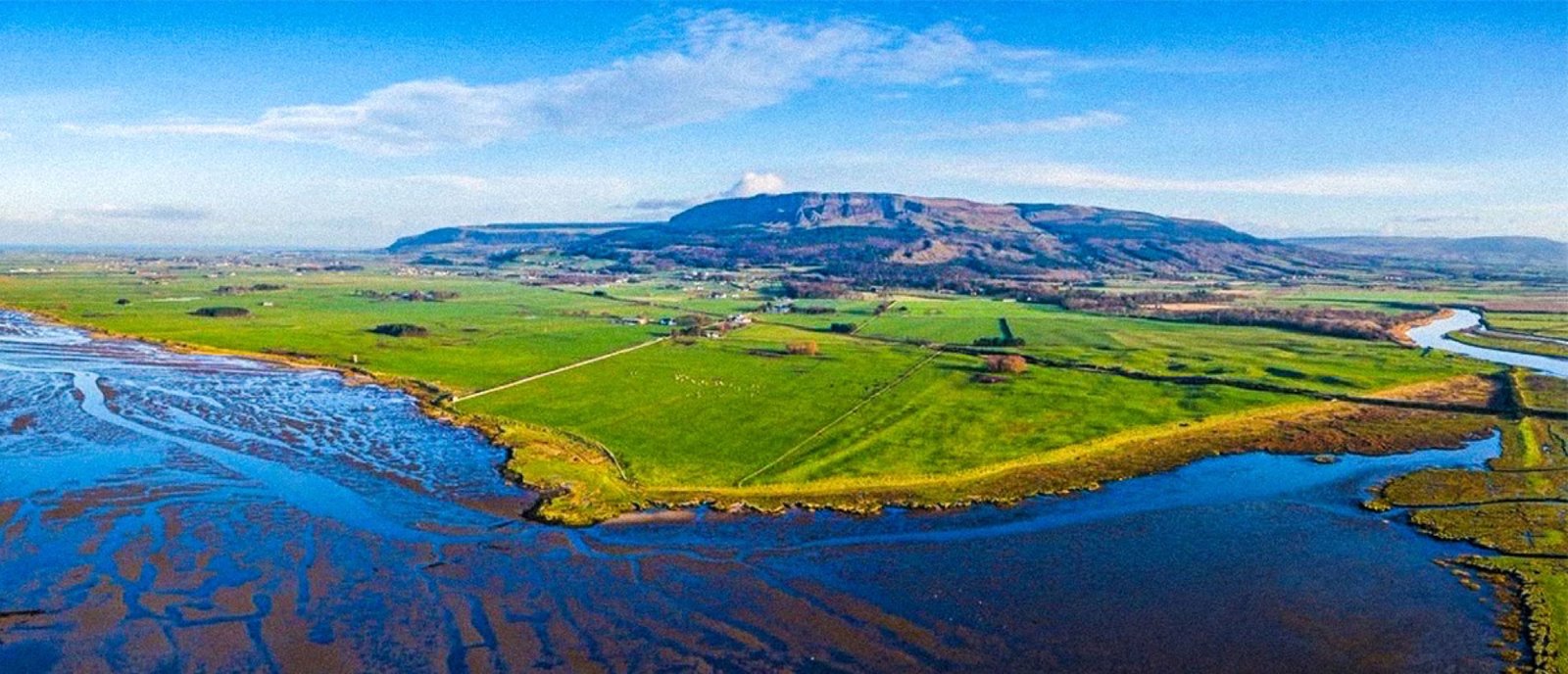
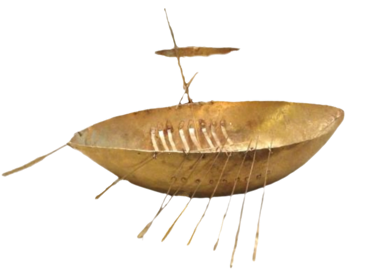
Celtic Golden Boat found near John’s Ballykelly home
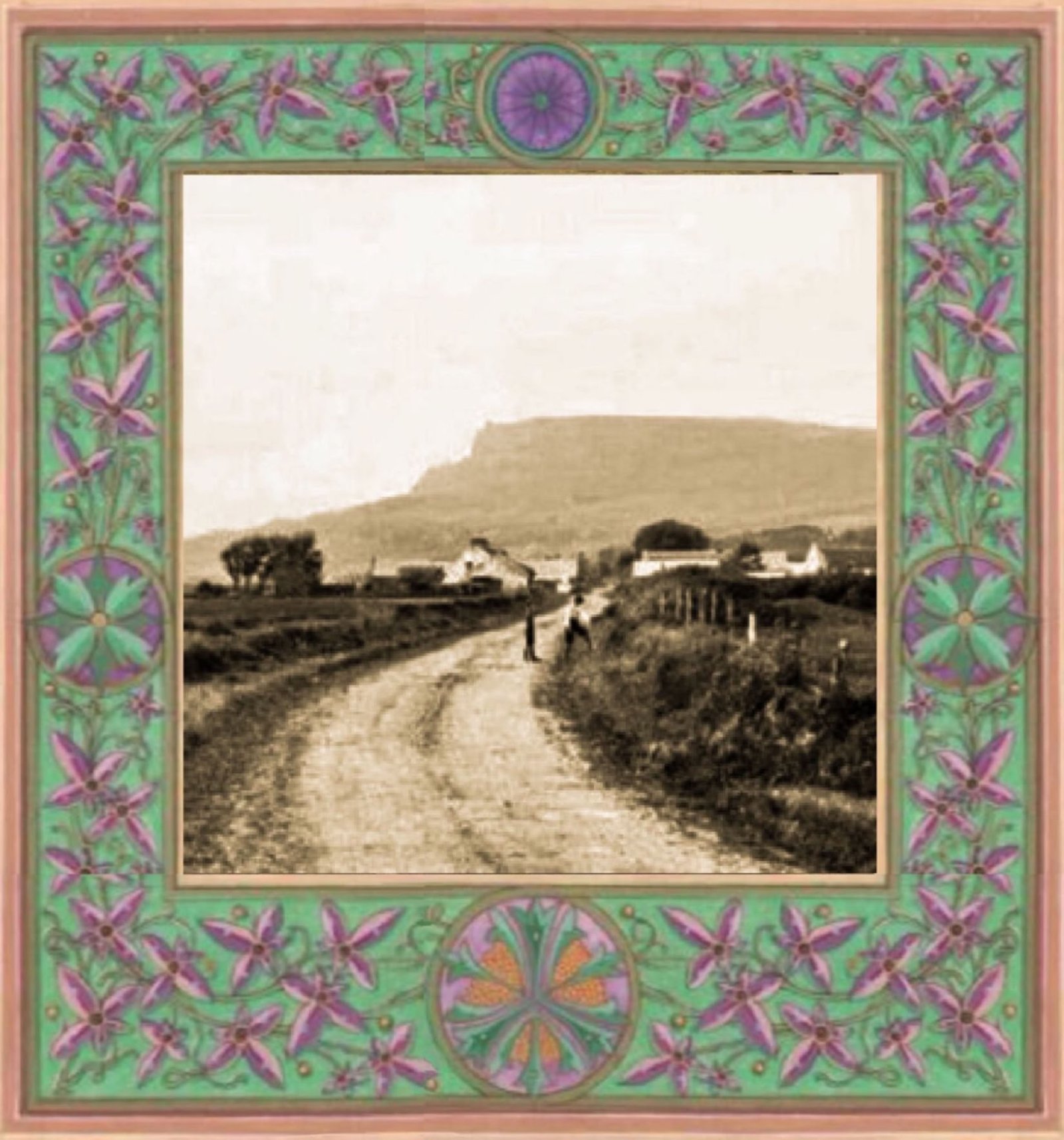
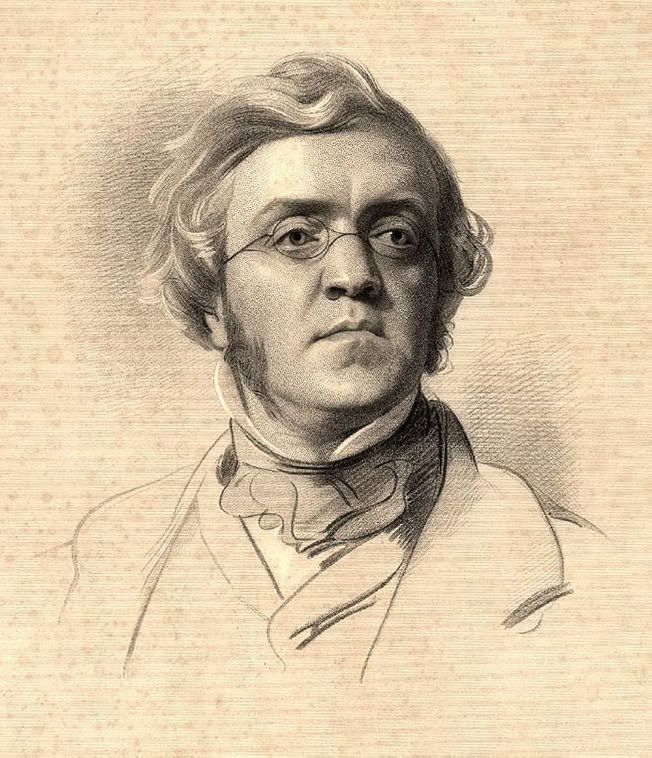

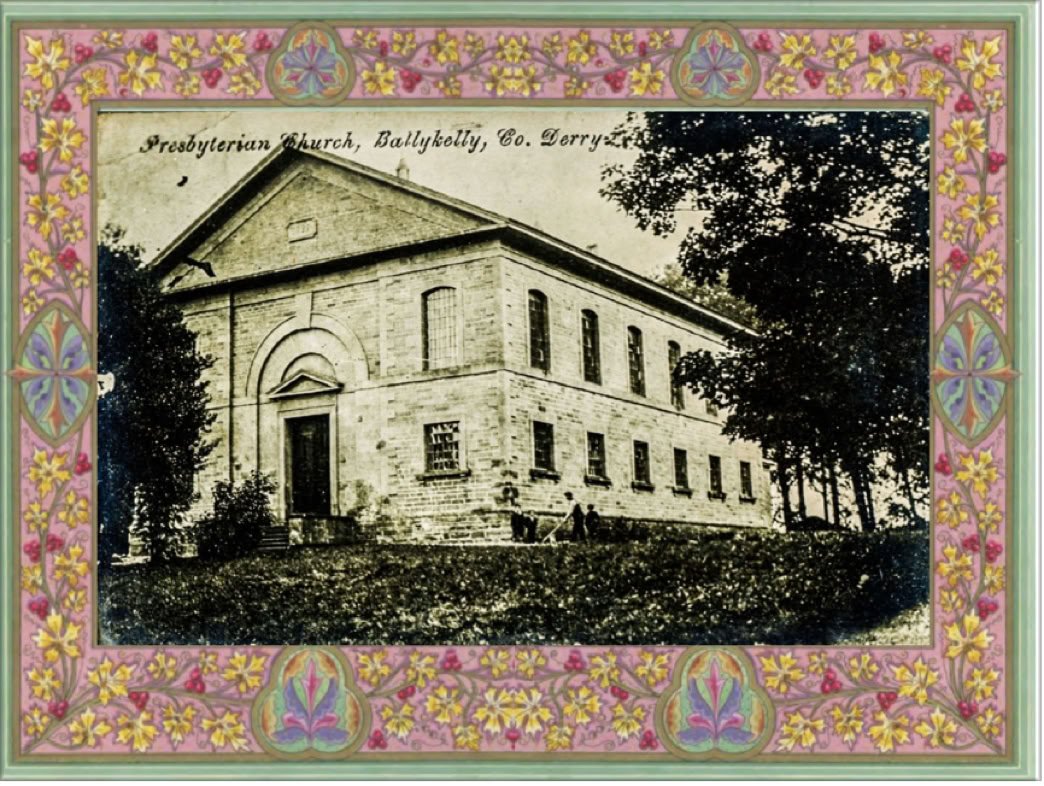
Ballykelly was described by the English novelist William Makepeace Thackeray, who passed through the village during his Irish tour in 1842
"....In Ballykelly, besides numerous simple, stout, brick-built dwellings for the peasantry, with their shining windows and trim garden-plots, is a Presbyterian meeting-house, so well-built,

In 1952 John Steinbeck visited Ballykelly to trace his mother’s family (Hamilton) roots and described the area:
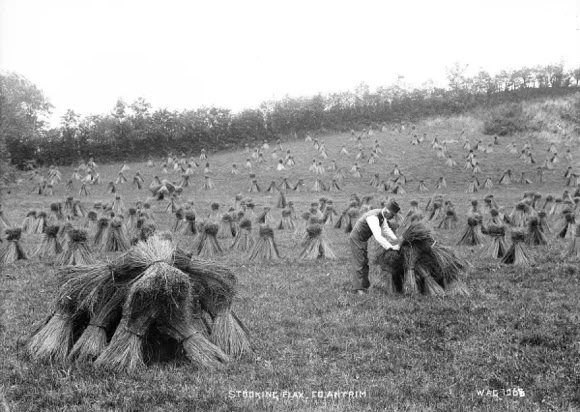
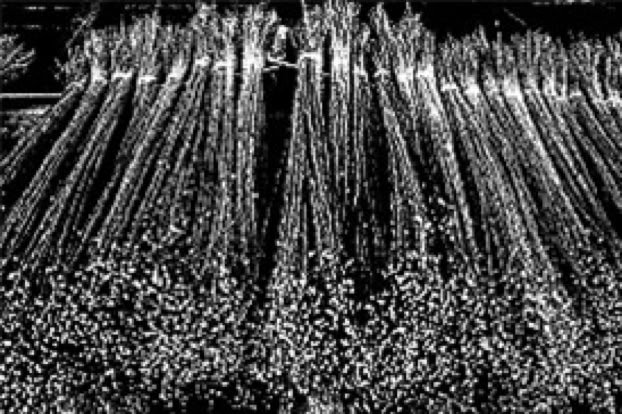
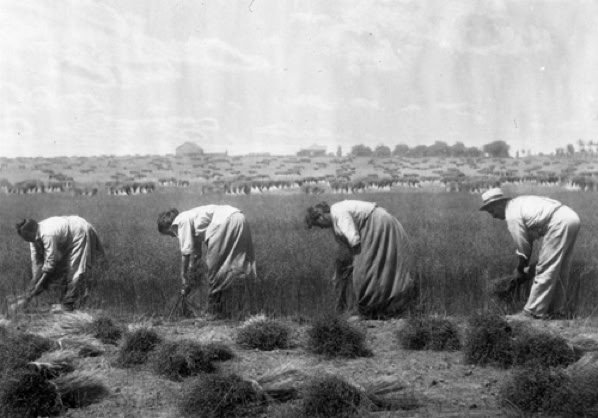
“We clattered and smoked along 18 miles from Londonderry, past thatched cottages and hedged little fields where the black bundles of the flax lay waiting to be taken in.
substantial, and handsome,
….The gentleman's seats in the district are numerous and handsome; and the whole
movement along the road
betokened cheerfulness and prosperous activity..."
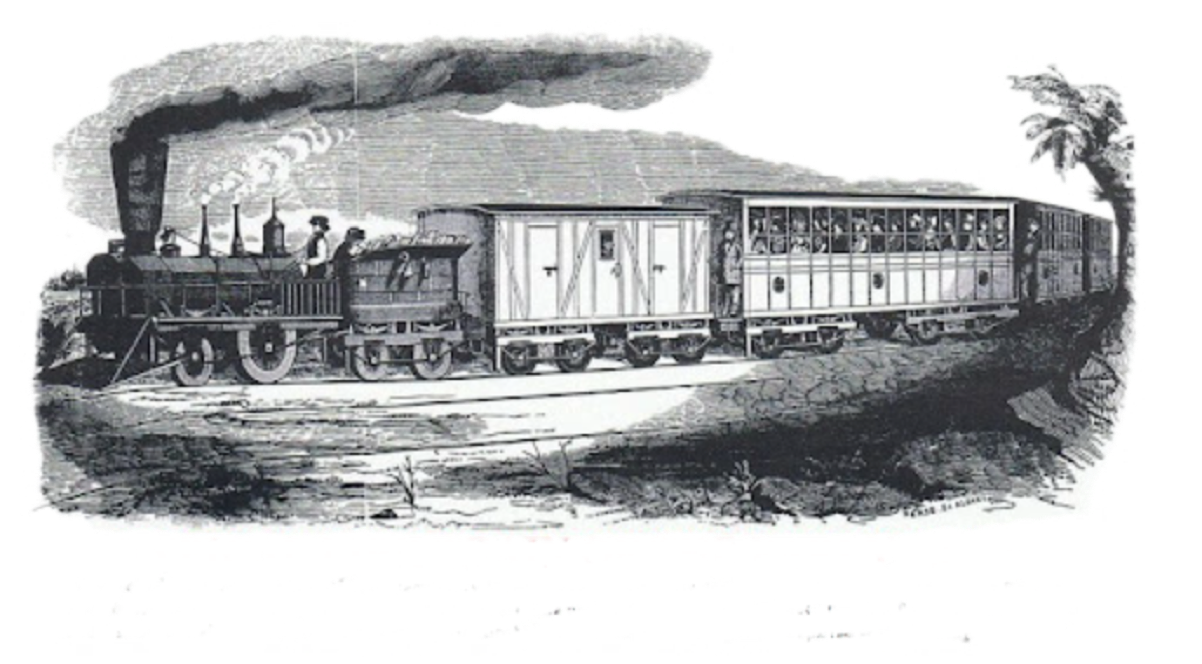
The countryside was rolling and lovely….The Donegal hills were remote and sunny across the broad water of the lough. We drove right through Ballykelly without knowing it was there.”
Following this trip, Steinbeck wrote a short passage in East of Eden about the life of his ancestors, the Hamiltons, which is probably typical of the Ulster families.
"Young Samuel Hamilton came from the north of Ireland and so did his wife. He was the son of small farmers, neither rich nor poor, who had lived on one landhold and in one stone house for many hundreds of years. The Hamiltons managed to be remarkably well educated and well read; and, as is so often true in that green country, they were connected and related to very great people and very small people, so that one cousin might be a baronet and another cousin a beggar.“
Steinbeck captures many essential aspect of John Hemphill’s life and the lives of the Ulster Scots in general, but Northern Ireland has a long history of cross cultural struggles that would deeply affect his choices, format and guide the powerful change agent that he became.

“BallyKelly was founded as a “Plantation Village” built by the London Fishmongers Guild. They built a castle with garrison armed by 40 men against the real threat of native Irish attack, followed by stone houses, schools and churches. The Plantation of Ulster lasted just 15 years, but the settlement of Lowland Scots and Border English were permanent and in fact continued with a large influx in the 1690’s when drought, famine and other difficulties beset Scotland.”

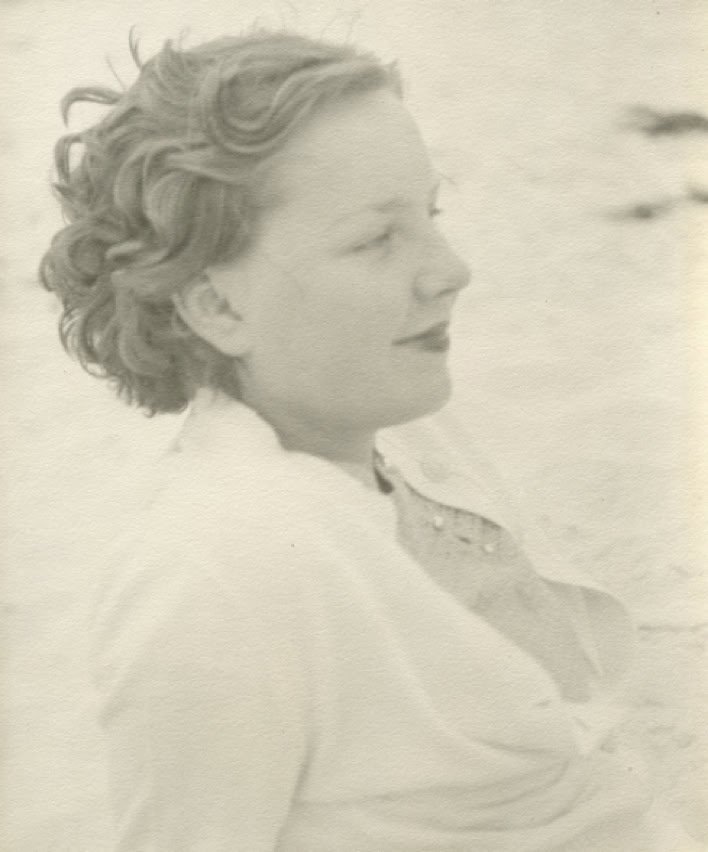
Stanford History Scholar
Jean Parks Hemphill,
in Family Histories
Struggles, pains, bloodletting, inhuman behaviors have not bypassed these vast, beautiful horizons. Roman invaders took indigenous Celts and Picts. Normans, the Anglo Saxons invaded and replaced the Romans, continued persecutions and created Plantations to harvest the resources and transported Scots as a labor force to serve them and protect their interests.
The Ulster Scots were thrust into a precarious position. They’re allegiances were divided. Under the thumb of the British who had attacked and dominated their country of origin for centuries and enslaved them (many Hemphill men were conscripted to defend The Plantation’s of Derry in the 17th Century), they were in common with indigenous Irish in their struggle for self determination. At the same time they separated from them by religion belief and felity.
Amongst the Ulster Scots, Protestant beliefs were organized from the bottom up. The family unite was the center of meaning, the psalms the well spring from which all moral authority, understanding and behavior emanate. The strategies that reinforced this organization depended on disciplined early child education, literacy, equally across gender and were collected and unified through the skills of the preacher. As an instrument of the people, the preacher was dependent on their power and responsive to their direction. The organizational structures were flat, egalitarian and extremely democratic. This fostered an atmosphere of freedom and a place for liberty and individual actualization unique in western civilization.
For the indigenous Irish population, religious authority was top down and emanated from the Pope in Rome.
These divisions by religious beliefs were difficult to bridge and subject to the changing beliefs of British Monarchs who used them to further their own political objectives. Although these division continue to present times, the Irish cultures unify
in their passionate opposition to authoritarian oppression and their belief in self-determination.

As famine raged in 1845, and famine refuges began their journeys to America and John Hemphill celebrated his first birthday, the young Frederich Douglas, was in Ireland finding freewill, reclaiming the humanity that had been denied to him and other Americans born into slavery. It was here that he would find full voice.
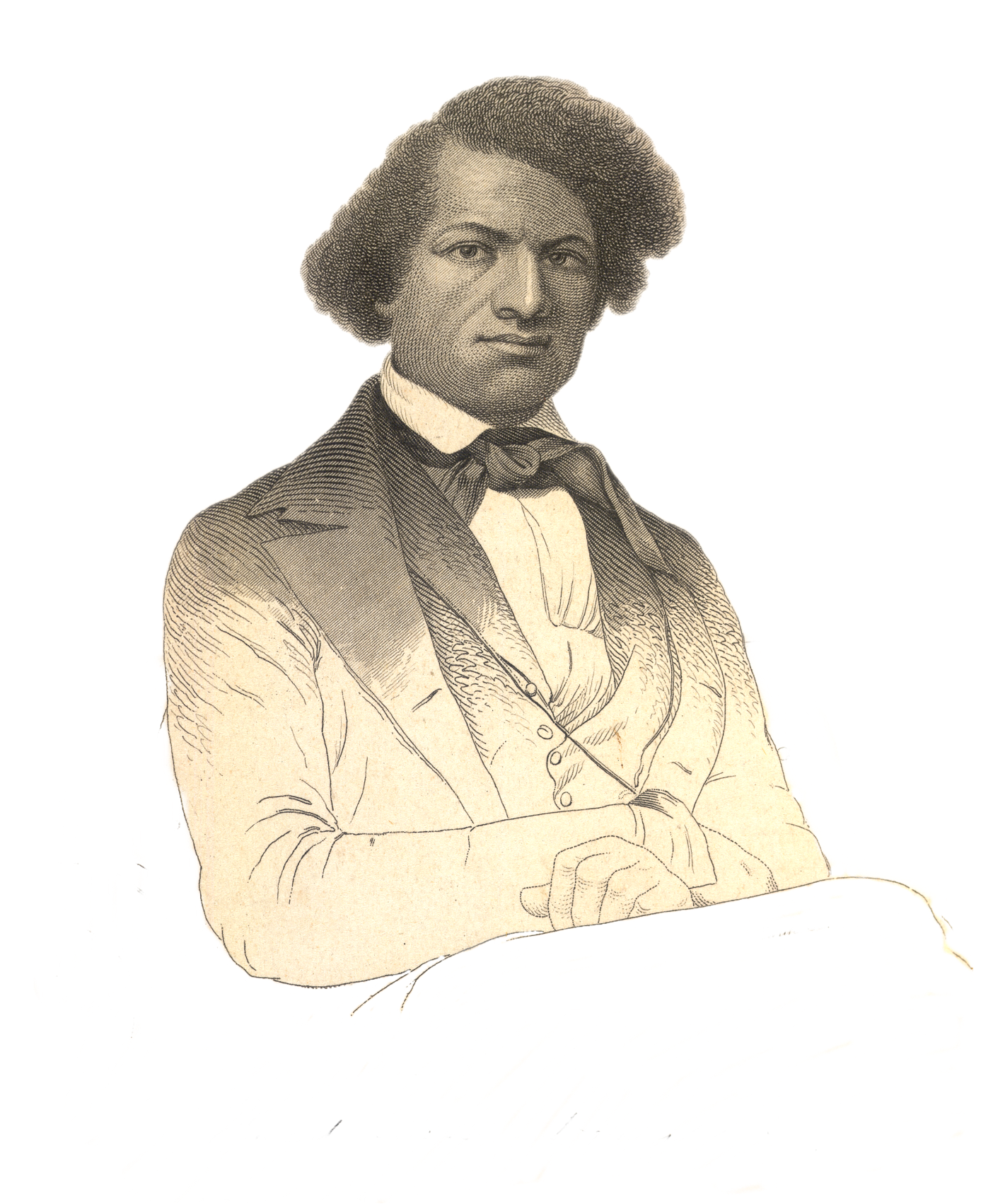

Being in Ireland proved a liberating experience for Frederich Douglass
“One of the most pleasing features of my visit, thus far, has been a total absence of all manifestations of
prejudice against me, on account of my color. The change of circumstances, in this, is particularly striking …
I find myself not treated as a colour, but as a man – not as a thing, but as a child of the common Father of us
all.”
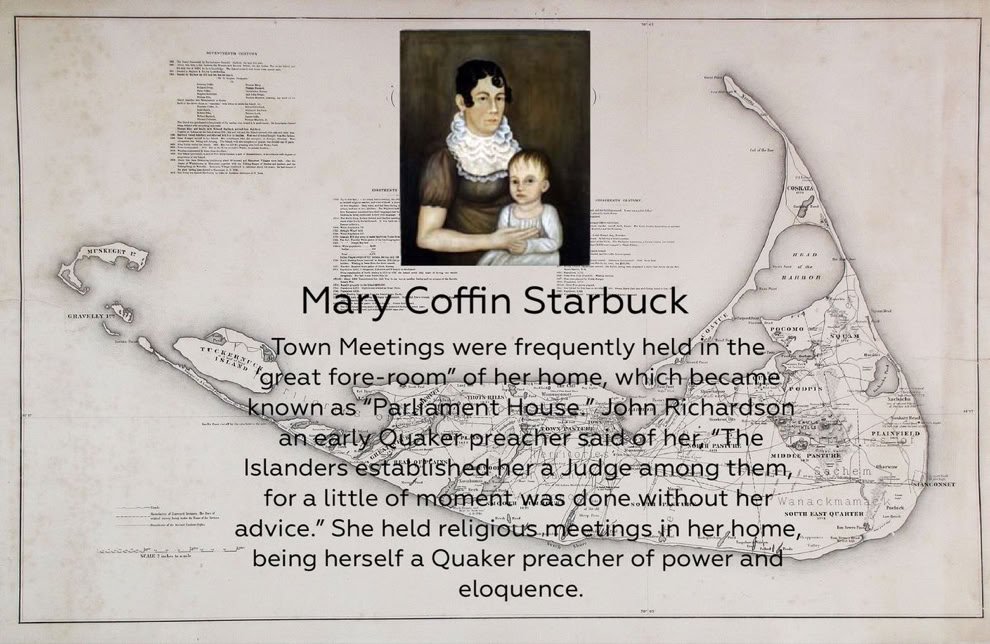
Some details on Frederich’s sponsors
and a link to more in depth on the progressive
church movements.
For more,
click on the frog
On a tour arranged and supported by Quakers in Nantucket and Ulster Scot Presbyterians in Scotland and Ireland,
Frederick Douglass traveled to Ireland in 1845-46, arriving just three months after he had published his autobiography, Narrative of the Life of Frederick Douglass, An American Slave, Written by Himself. He was inspired and transformed by his time in Ireland.
He was shocked and appalled by the living conditions of the Irish peasantry and likened them to conditions endured by slaves on American plantations. Douglass was greeted in cities and towns including Dublin, Belfast, and Cork by swells of enthusiastic crowds. Although Douglass continued his speaking tour in Scotland and England, it was his experience in Ireland that he described as “transformative. " Douglass often recalled that his time in “Dear Old Ireland” - the first country outside of the U.S. to publish his autobiography - had given him “a new life.”
For more on Frederich,
click on the frog
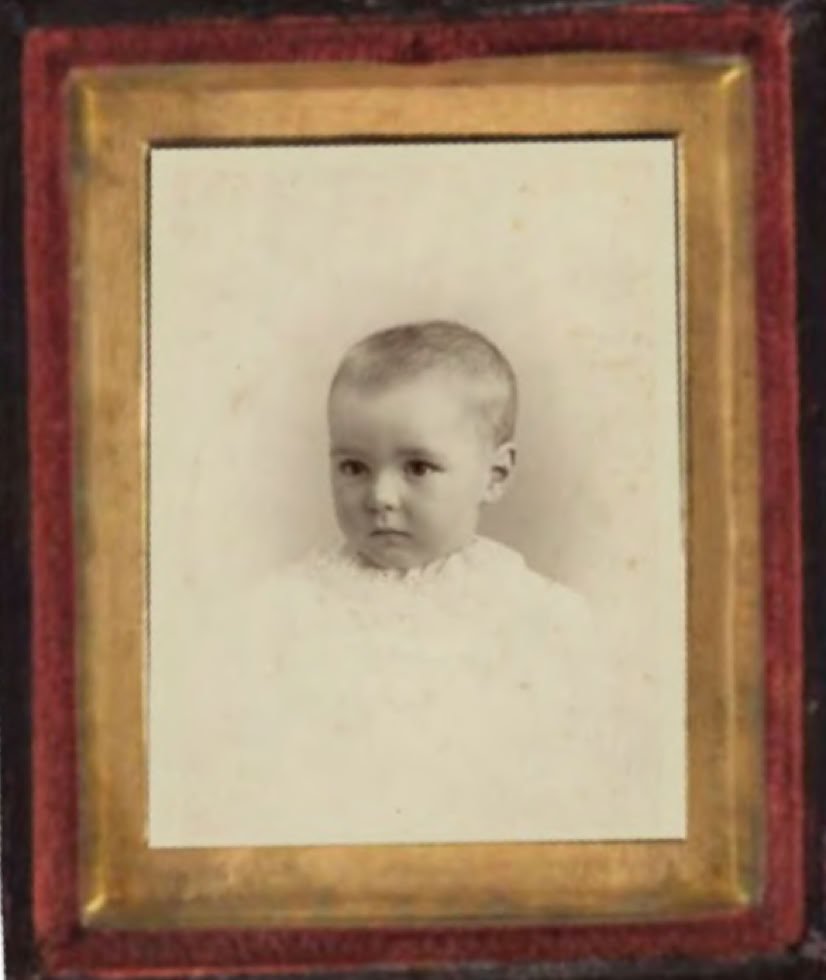

John Hemphill was born in the Village of Ballykelly
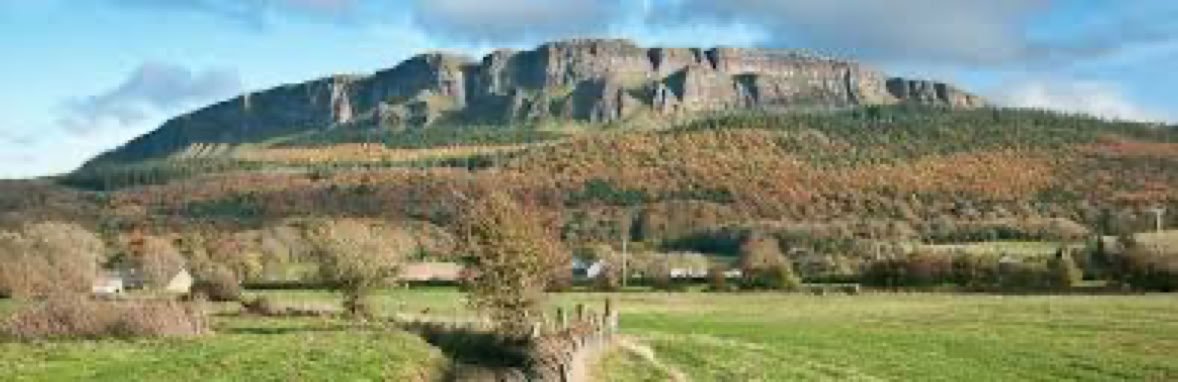
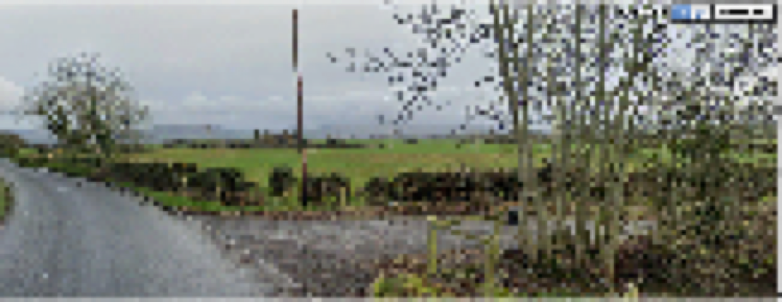
in 1844, where his father was an elder in the Church. With his family, lived in on a family farm on Tartnakelly Road. Only some fragments of the original house remain but otherwise, there has been little change in the surrounding valley.
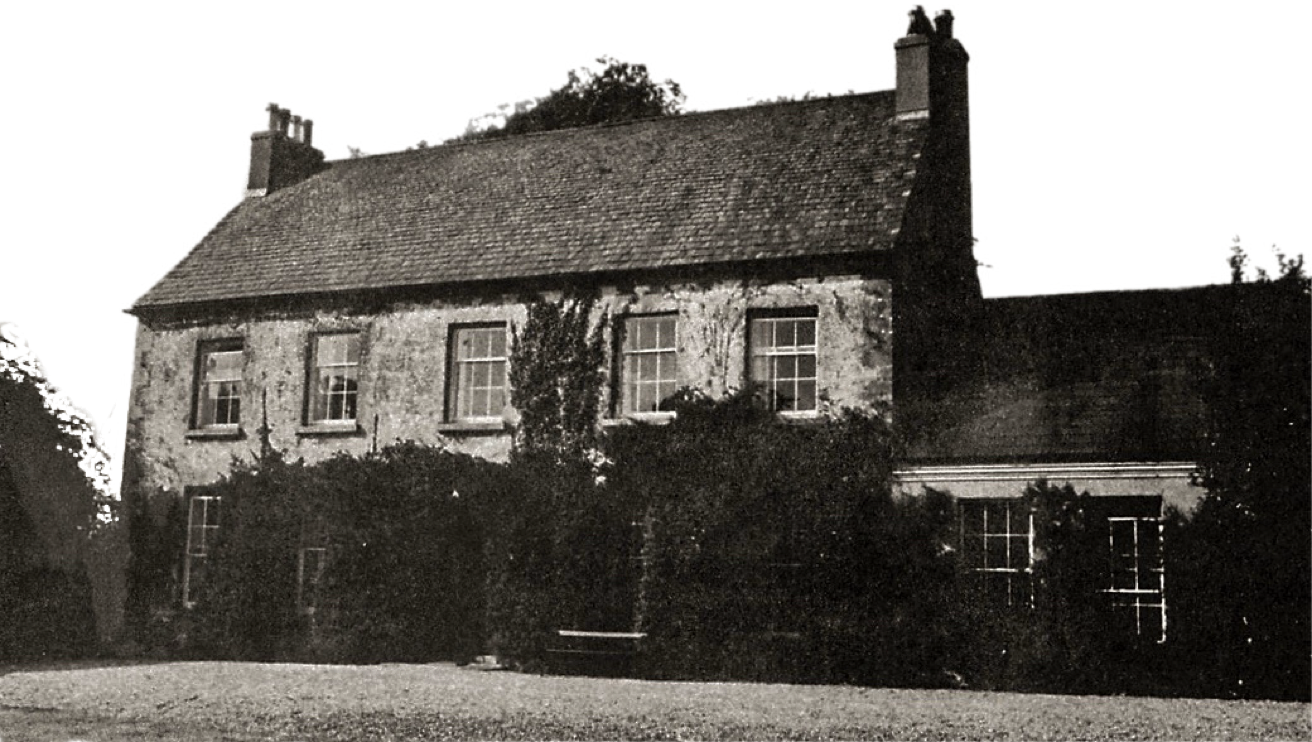
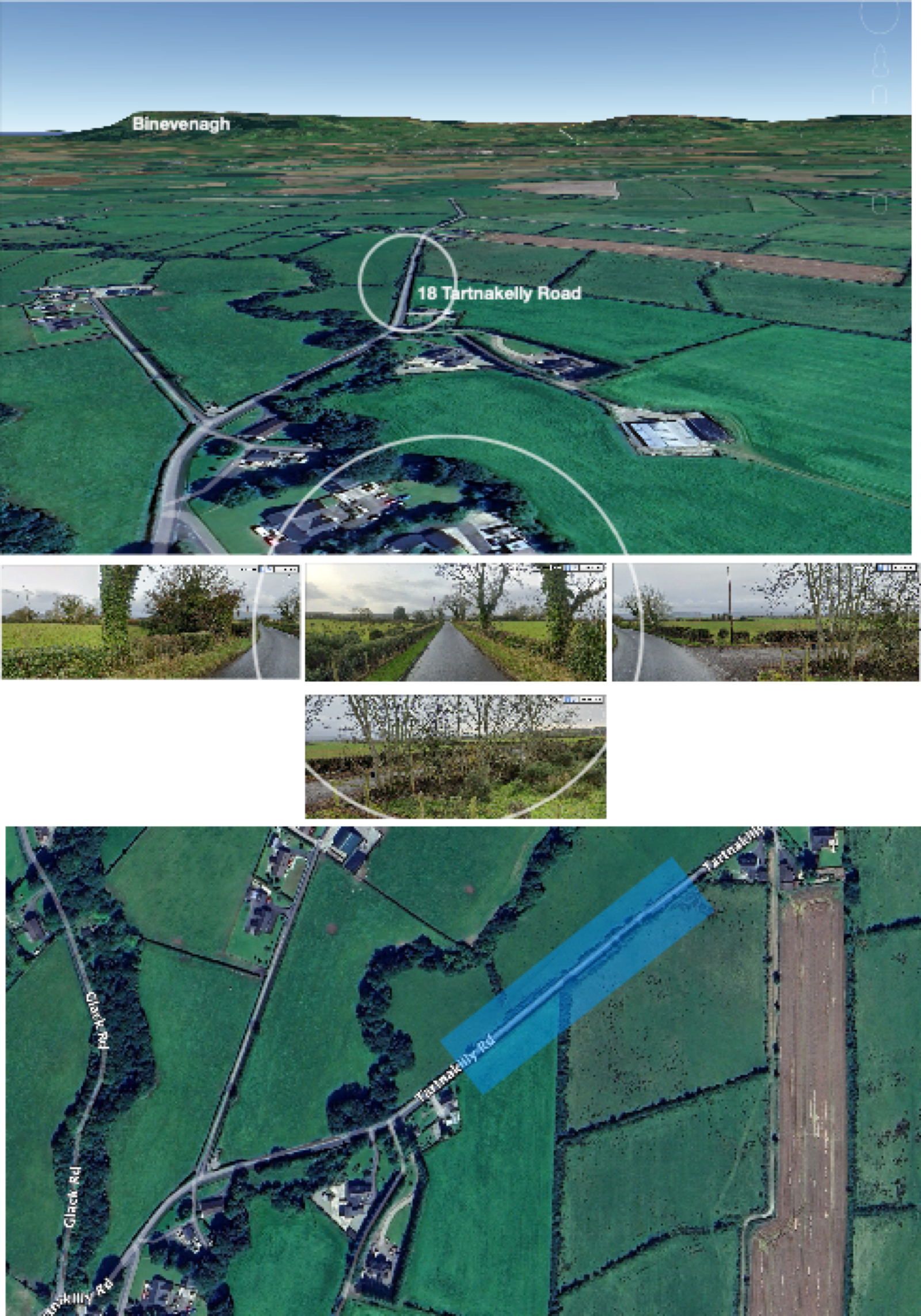
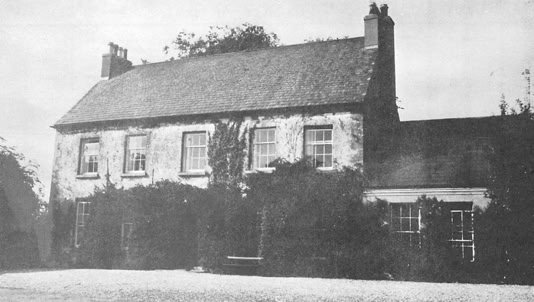
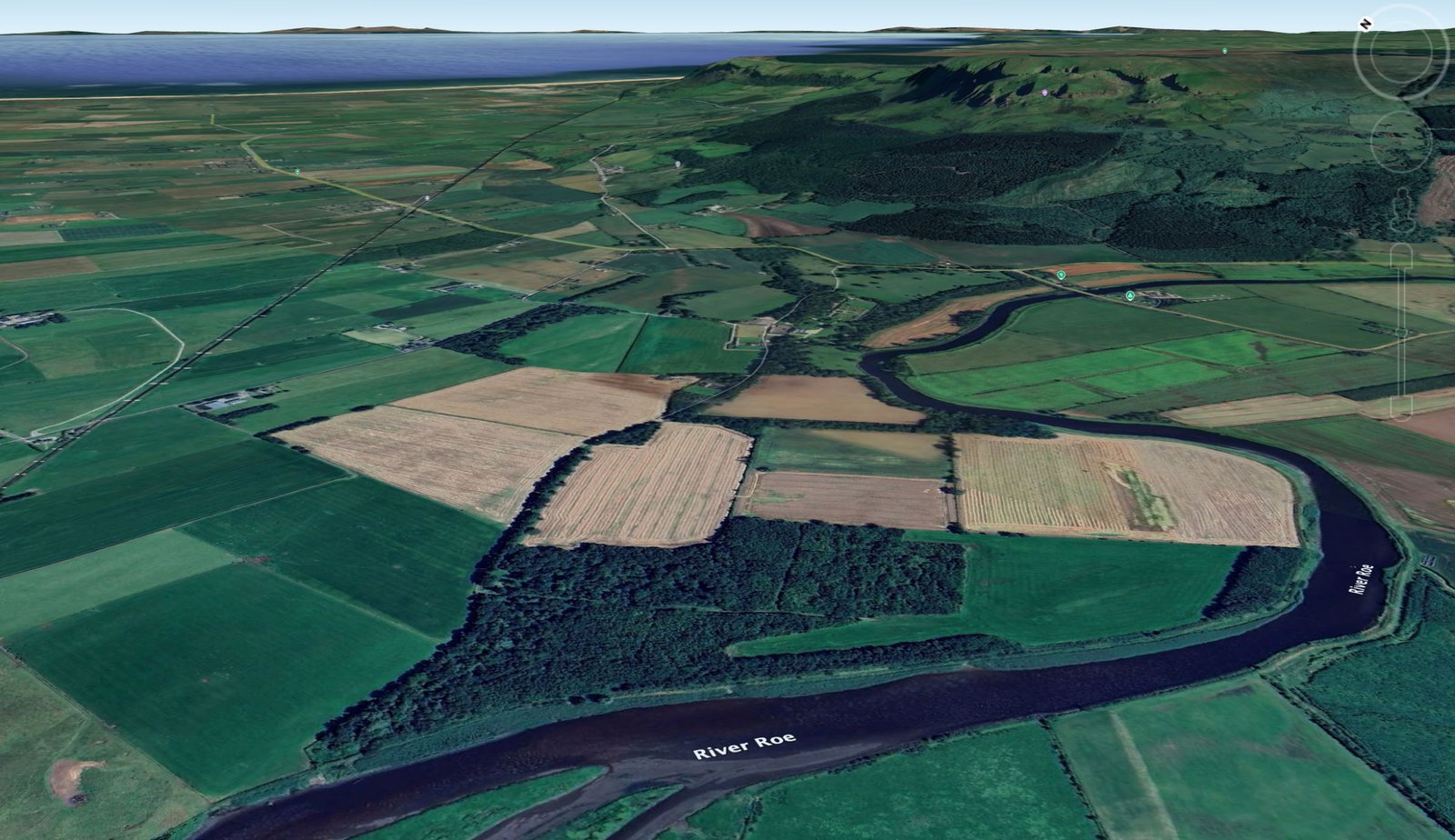
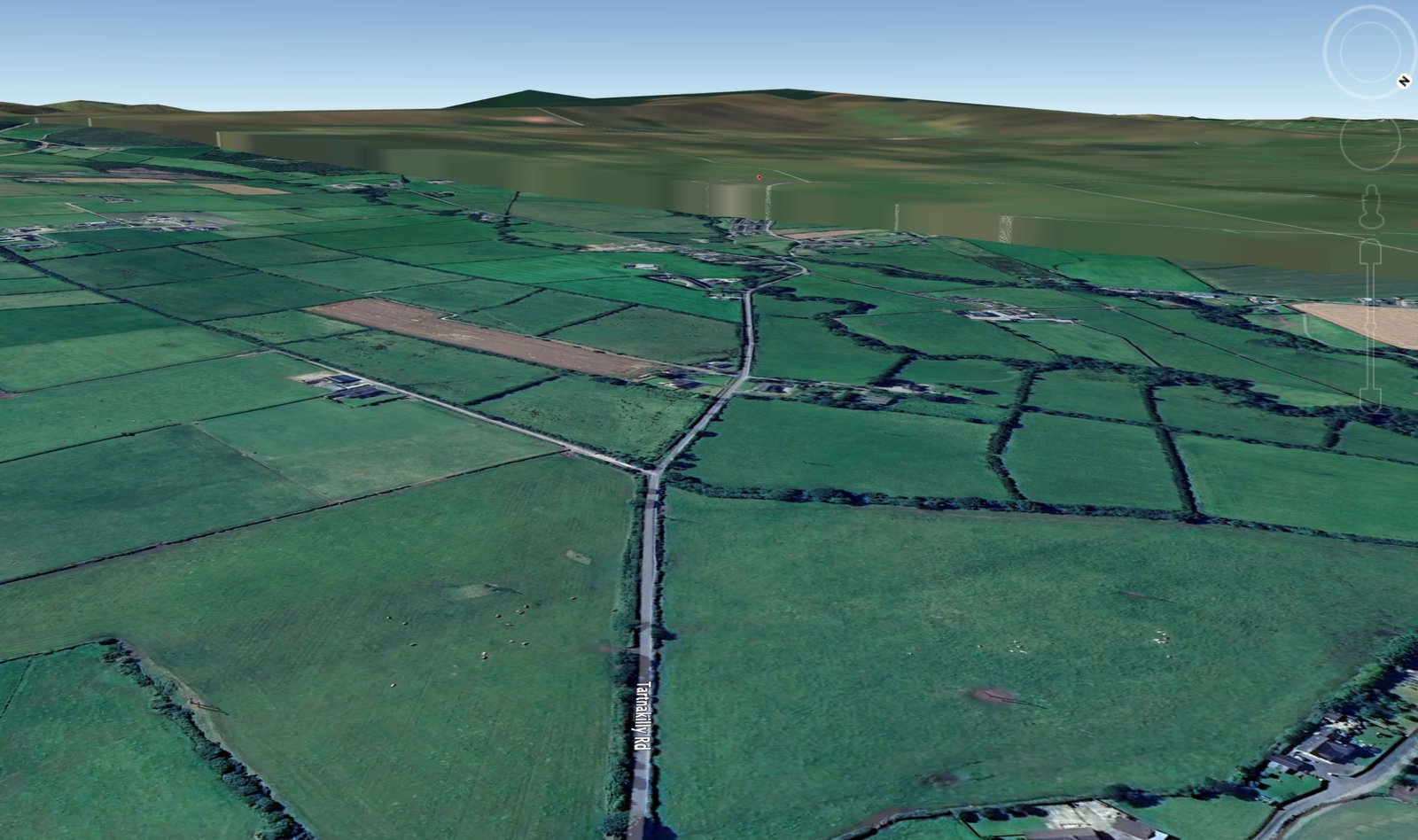

The Hemphill’s were among the Scotch Presbyterians who migrated to Ireland between 1609-1612 to colonize Ulster. Johns older sister, Martha and older brother Robert along with his two younger brothers, William and Joseph and two younger sisters, Ann and Margaret were a lively but reverent, respectful and disciplined lot. Roving far and wide, very social and super bright, his potential was obvious and recognize very early in his life. In 1855, at age 11 he commenced the study of the Classics at the Royal Academical Institution in Belfast and entered Queens College in October 1862--graduating in 1865. In November 1865 he moved on to the study of theology at Magee College, Londonderry, Ireland. He continued his studies here with highest honors, prizes, scholarships, etc. in May 1868 he was licensed to preach and in June '68 was “called” to the Pastorate of the Union Road Presbyterian Church, Magherafelt, County Derry, Ireland. In July 1868 he was ordained.

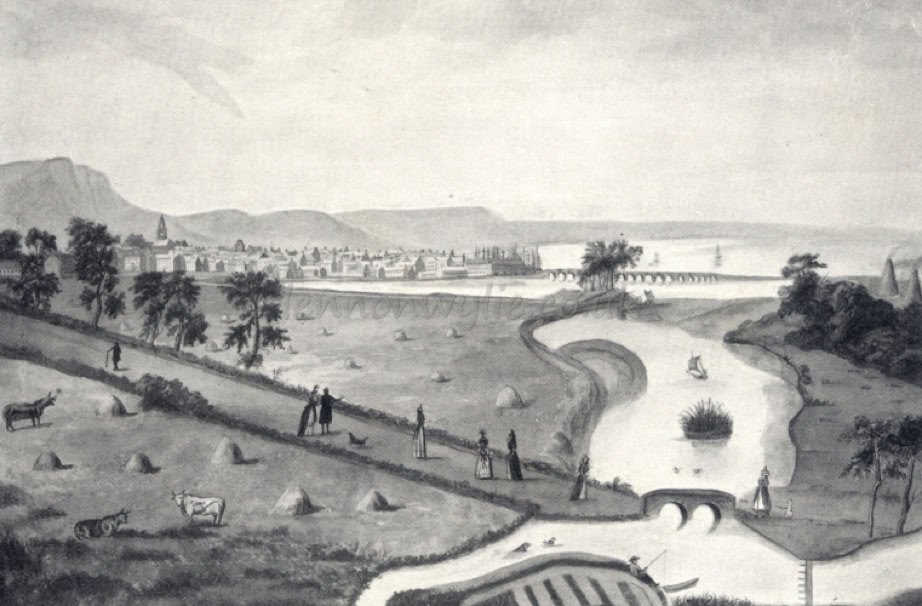
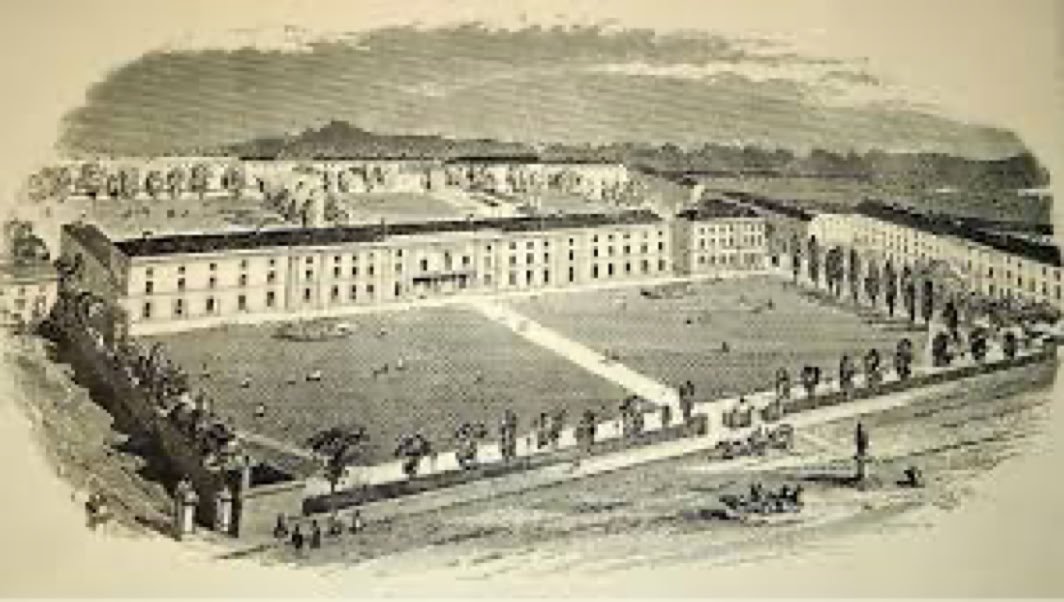
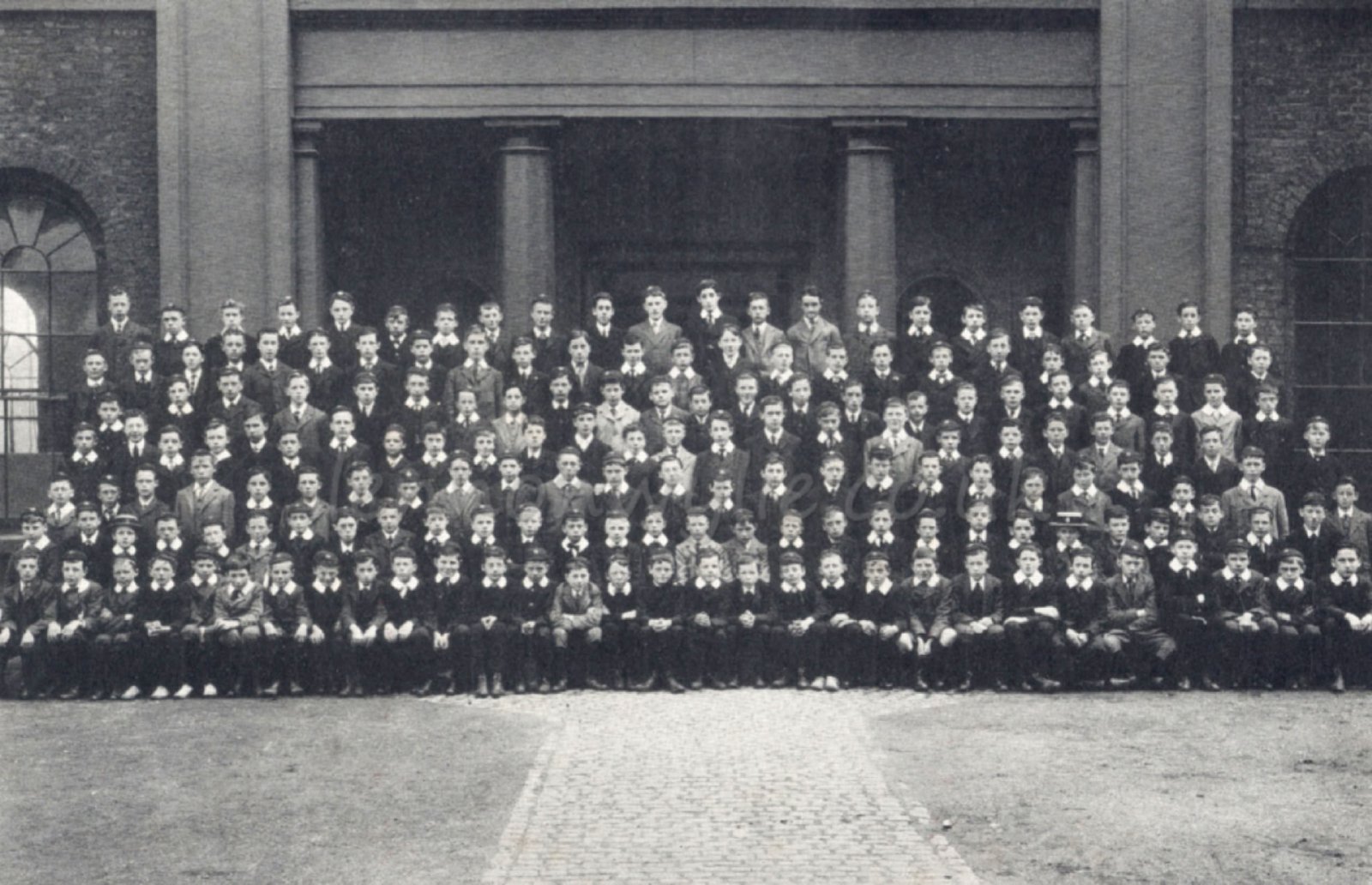
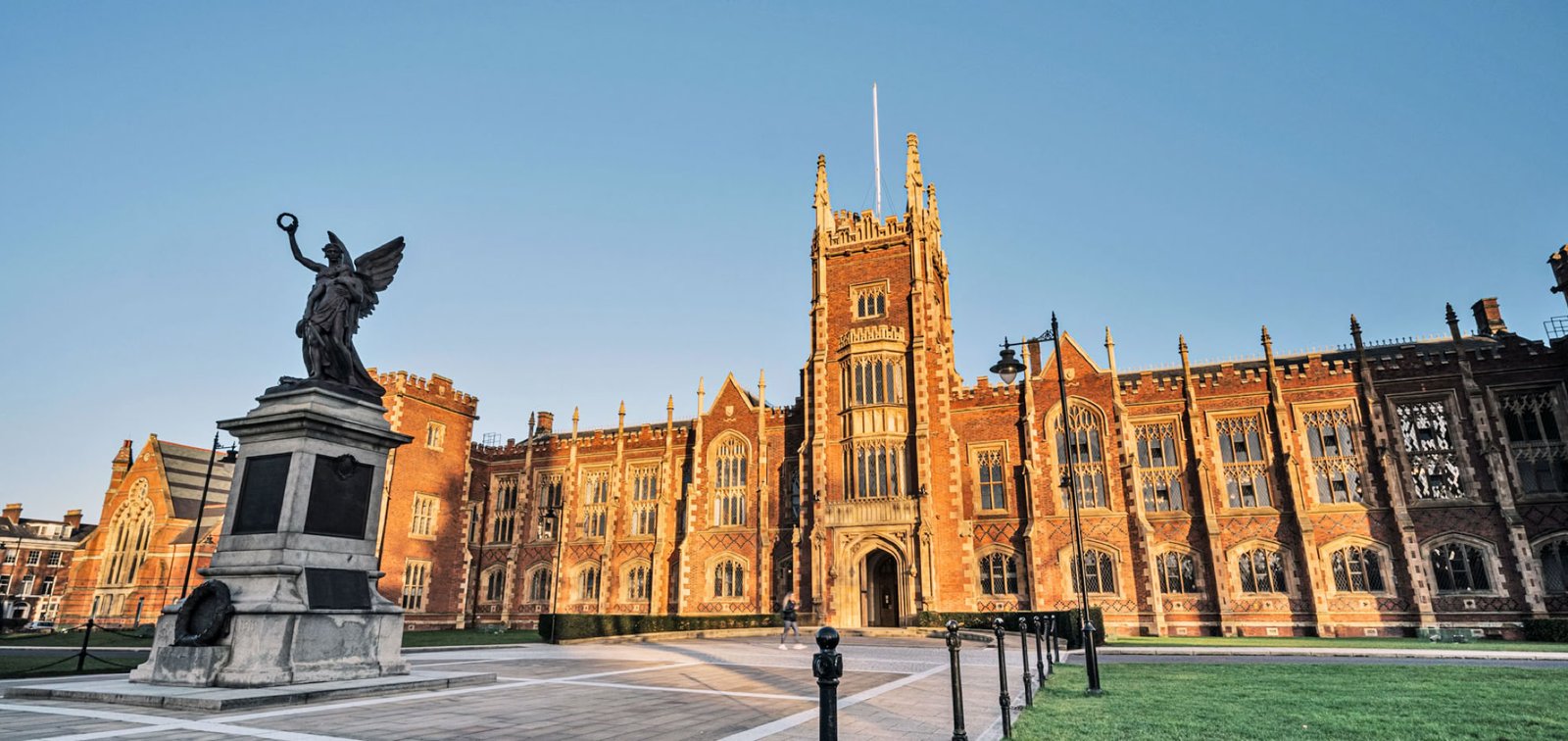
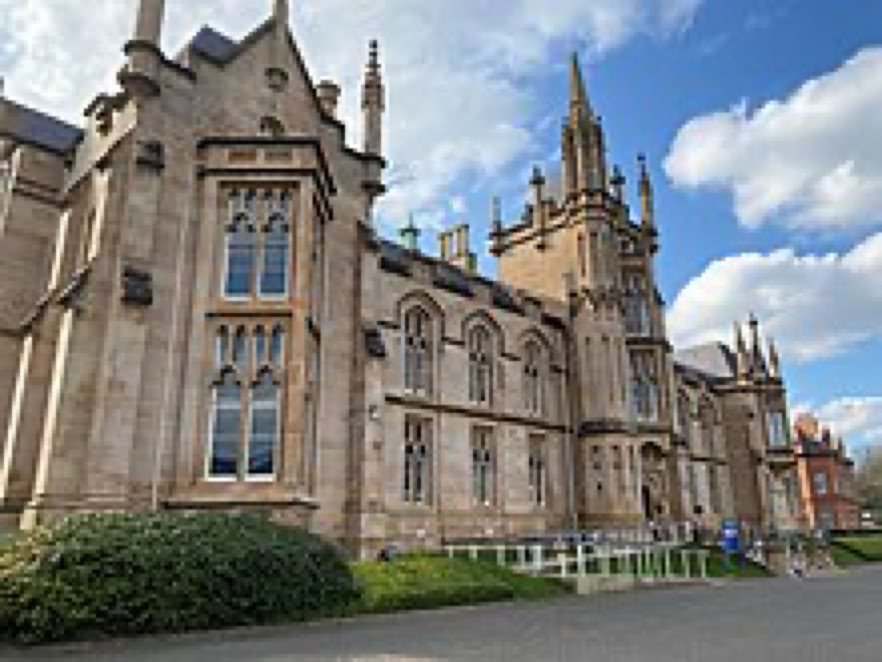
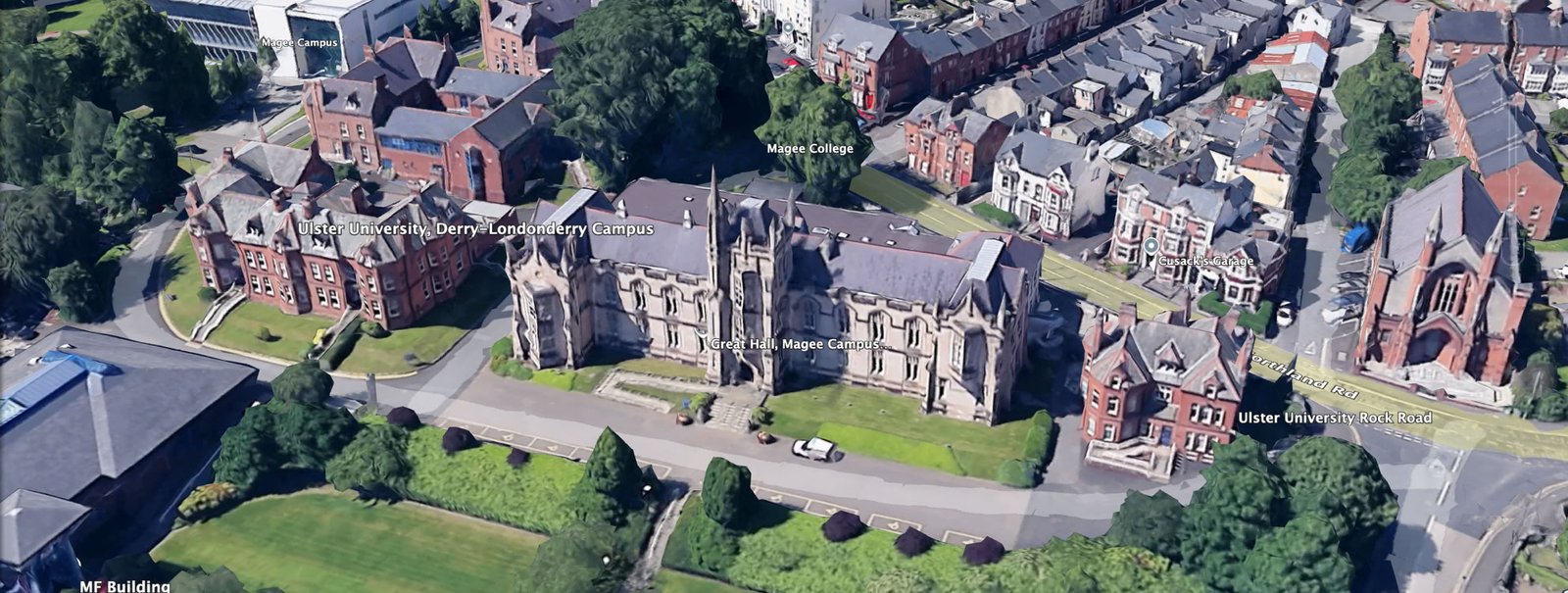
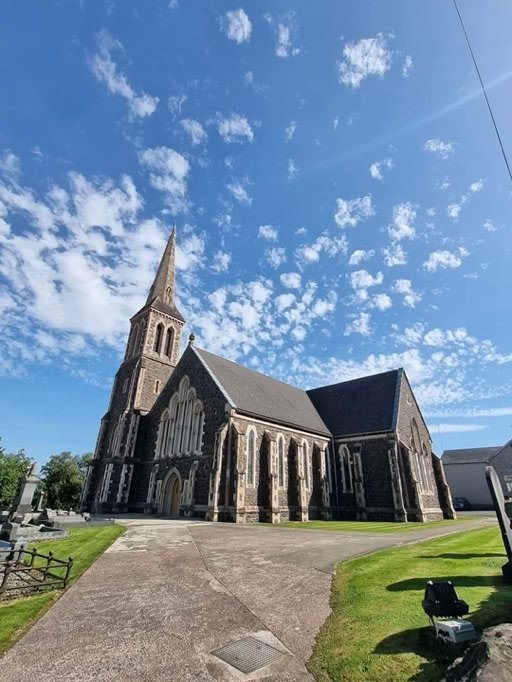

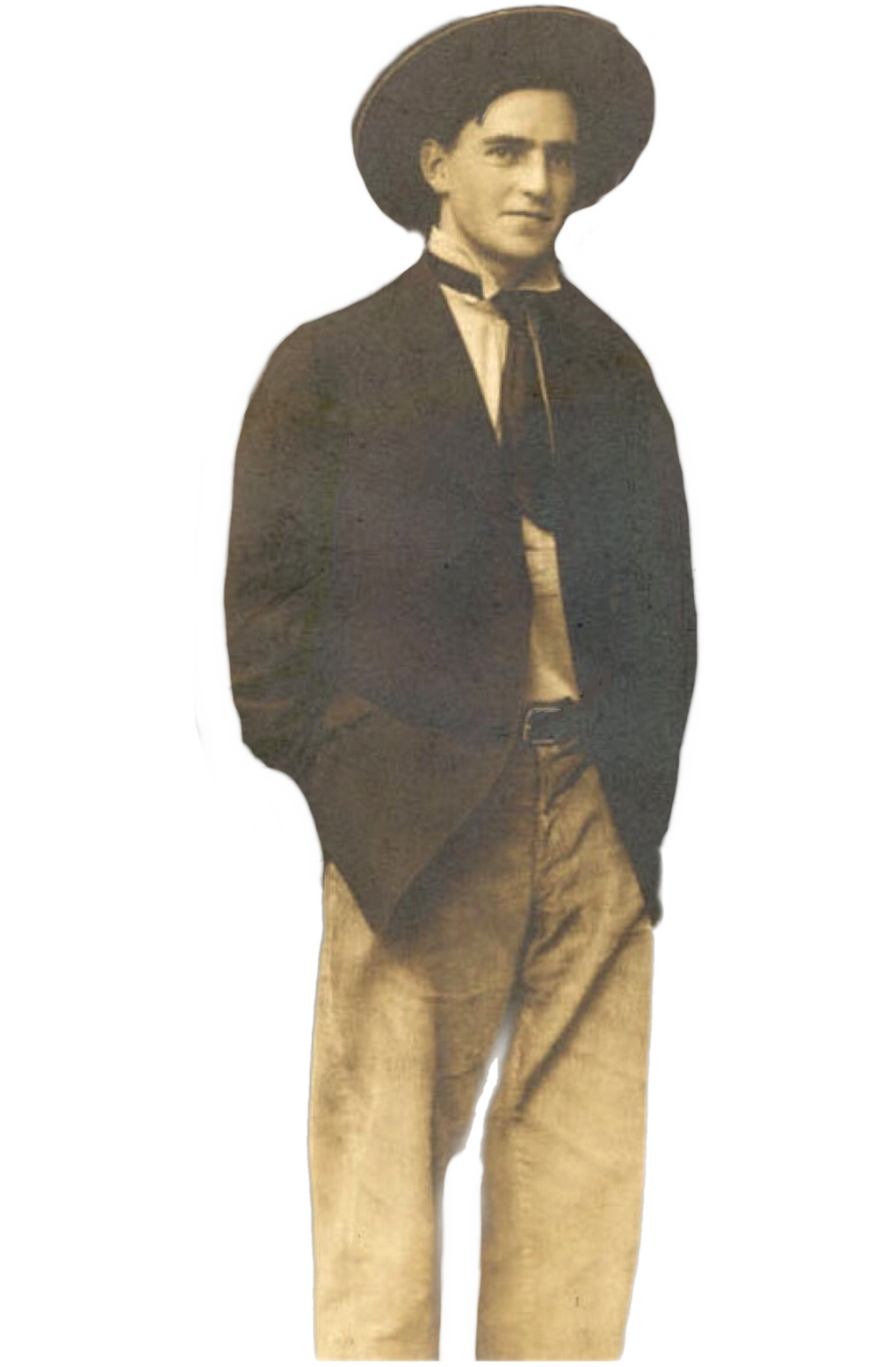
With Union Road Presbyterian Church in waiting, seeing this bright light before them as they were strapped for cash and in need of inspired leadership in America, in 1869, at the age of 25, The Reverend was sent to America on a mission to raise money for church and to grace the pulpits of America with his powerful voice, spreading the clarion truth of Presbyterian thought and progressive liberal, democratic thought. His journey began with a train ride from the local train depot in Limivade, through Derry to the departure dock in Moville, on tip of Northern Ireland. His first crossing would take him out into North Atlantic Ocean and on to America.
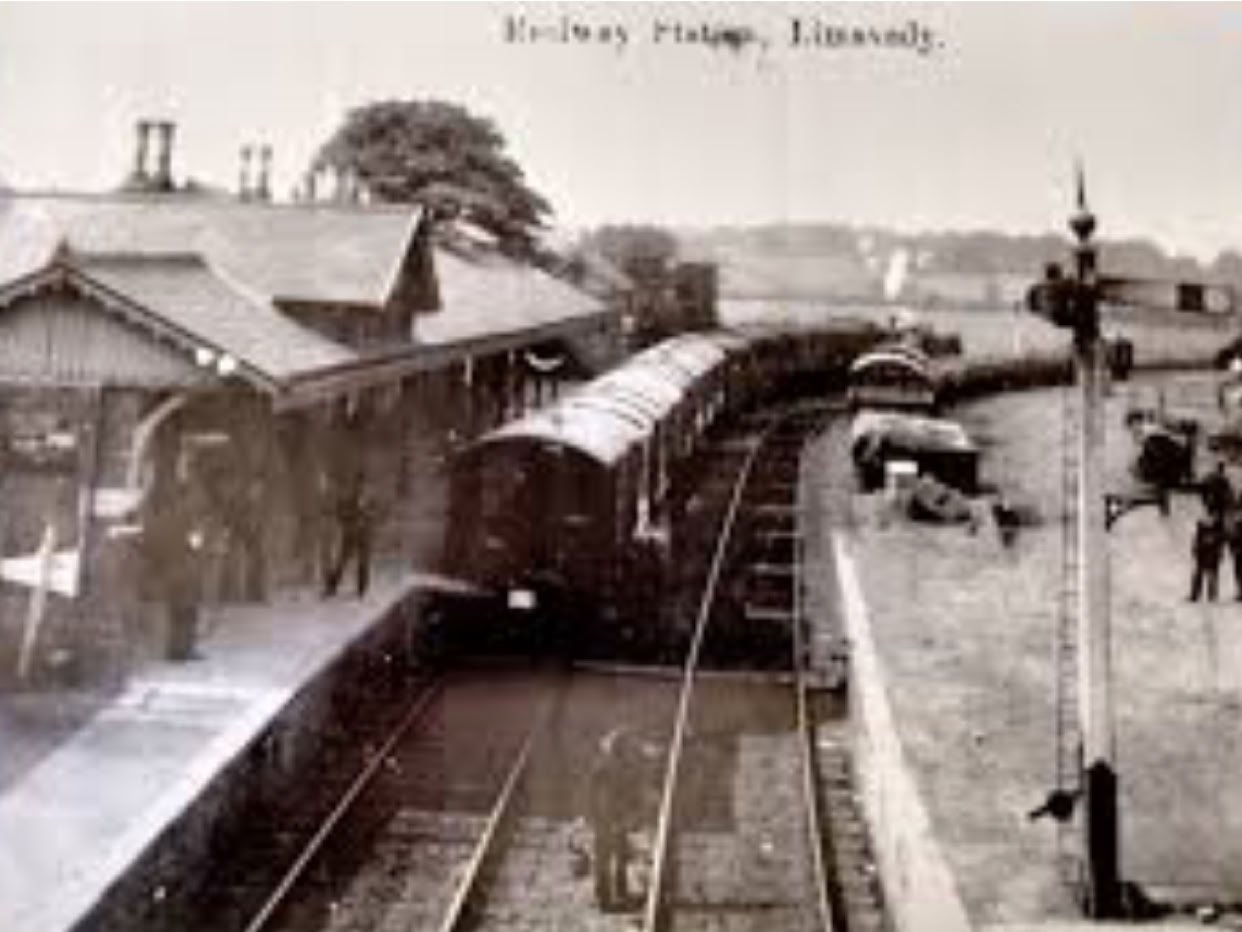
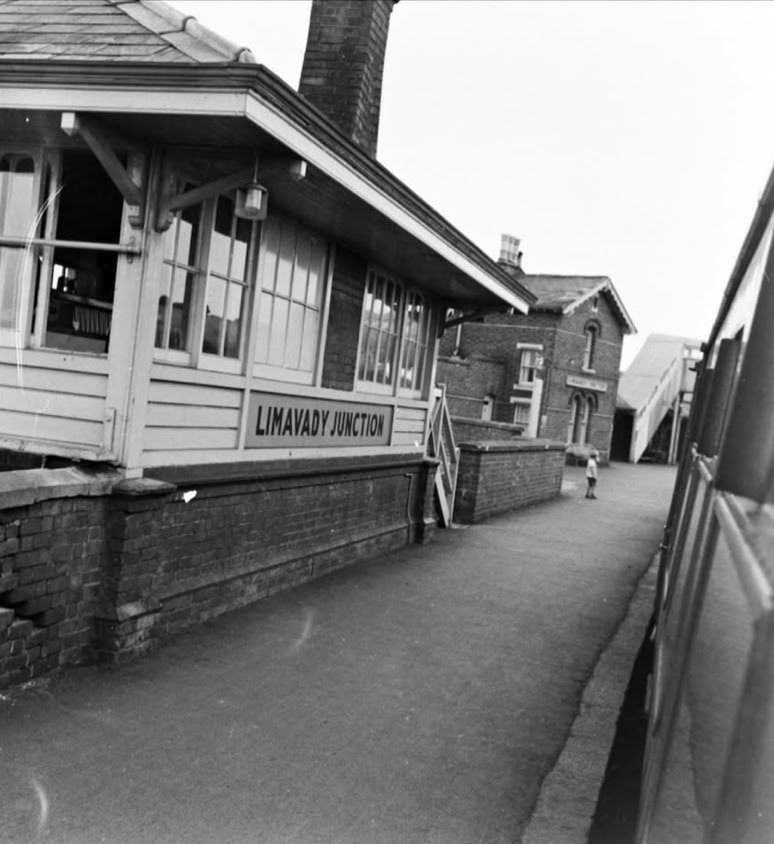
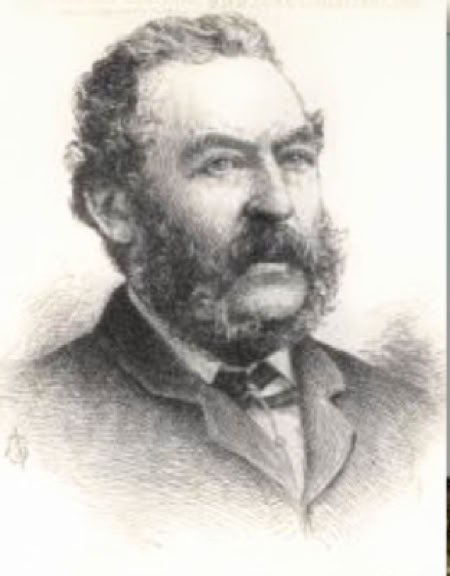
Captain R. Monro
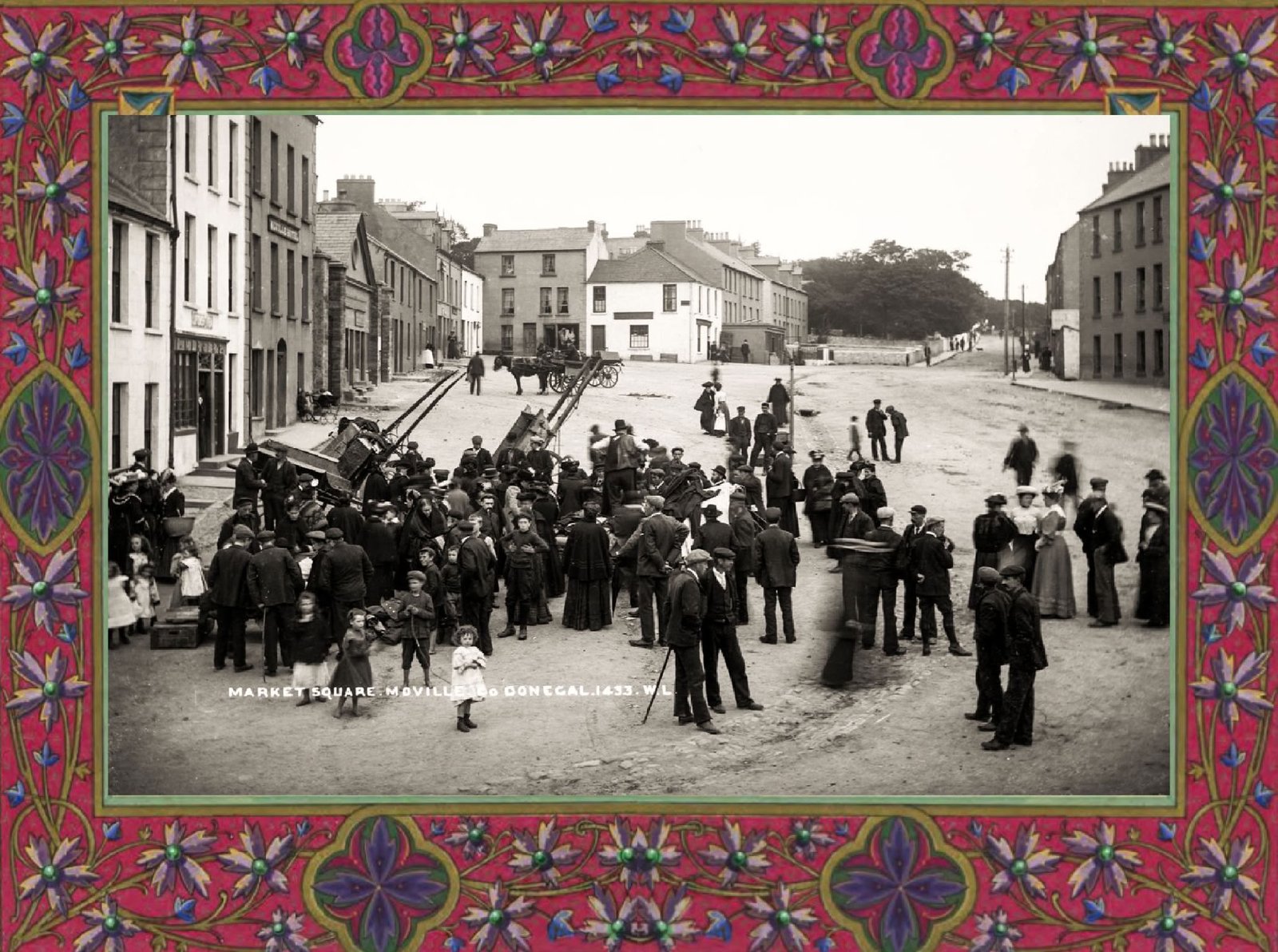
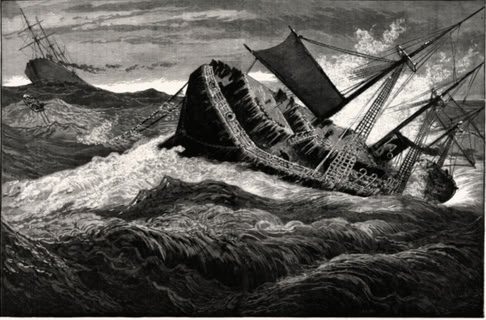
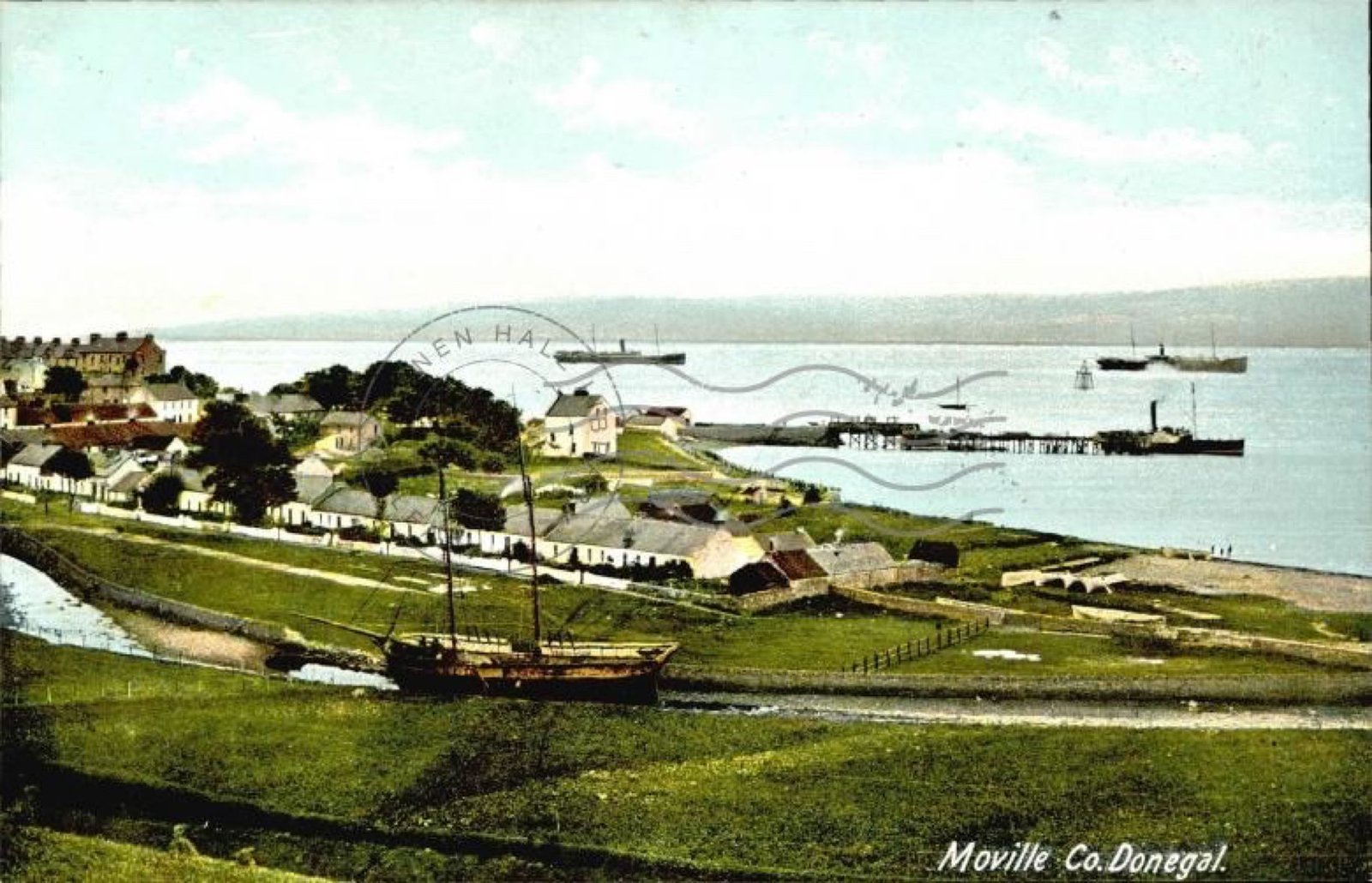
We see him there in the town square, a tall, bright eyed young man moving confidently toward the dock, ready, willing and able to take on the world and win the day.
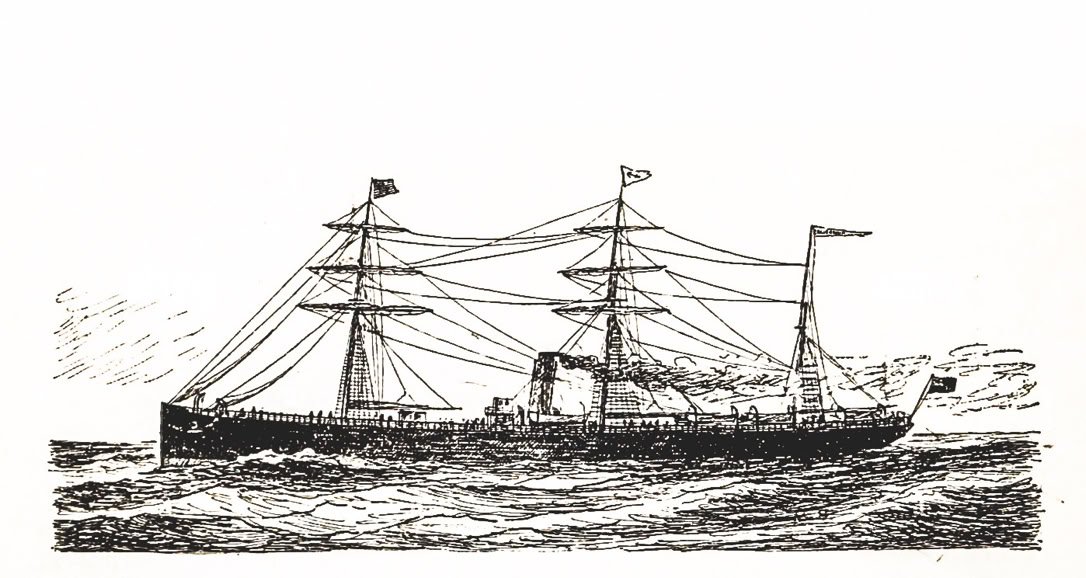
John began his journal after leaving Chicago on September 9th, 1869 and waited until page 68 to make jot cryptic notes on crossing the Atlantic and his first six months in America.
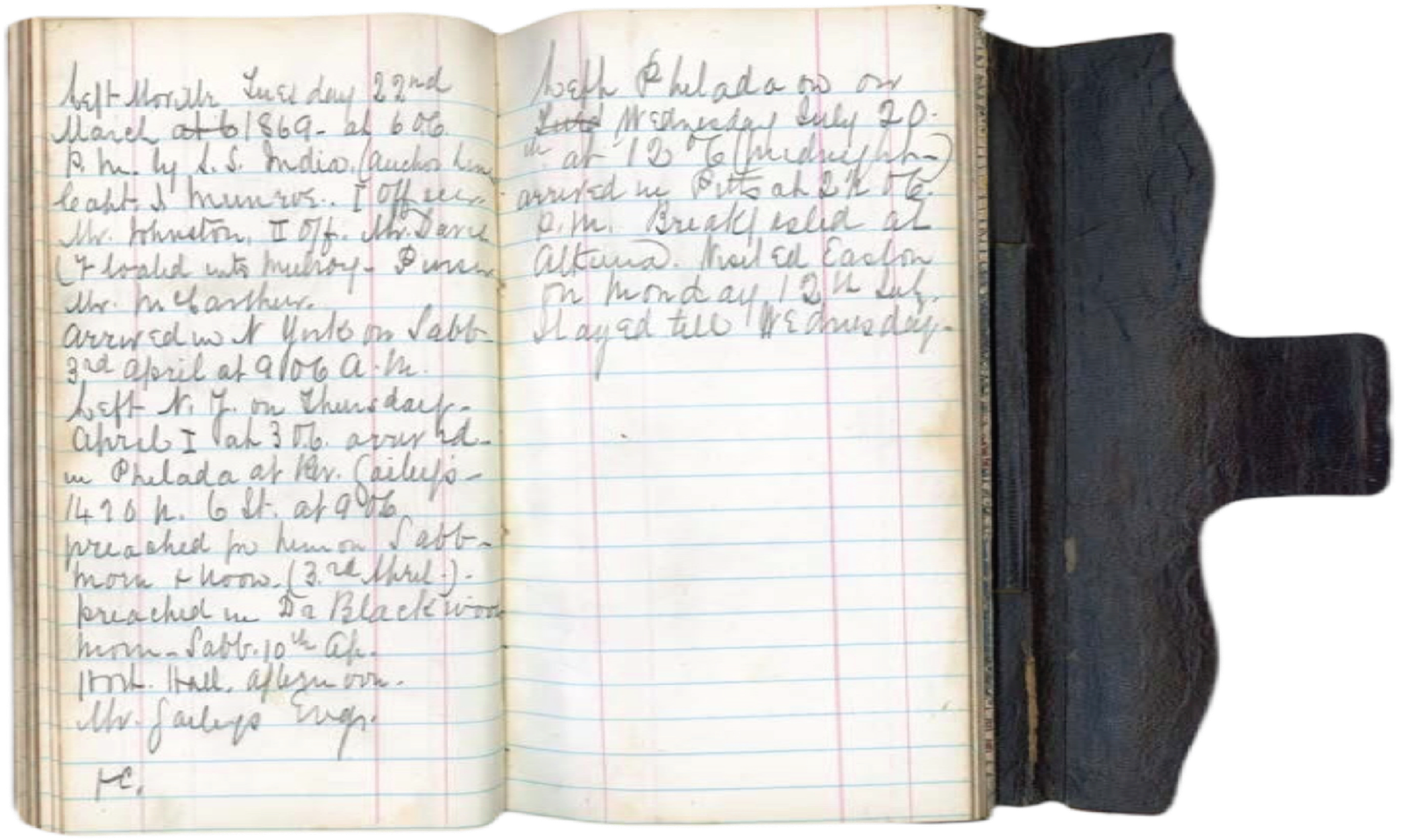
Left Moville Tuesday 22nd March at 6 1869 at 6 O’clock
PM by S.S. India (Anchor Line) Captain R. Monro (Officer Mr. Johnston, II Leutenant, Off. Mr Davis (Floated into _ _ _ _ _ _ _ _ _ _ _ Arrived at N York on Sabb 3rd April 1 at 3 0clock
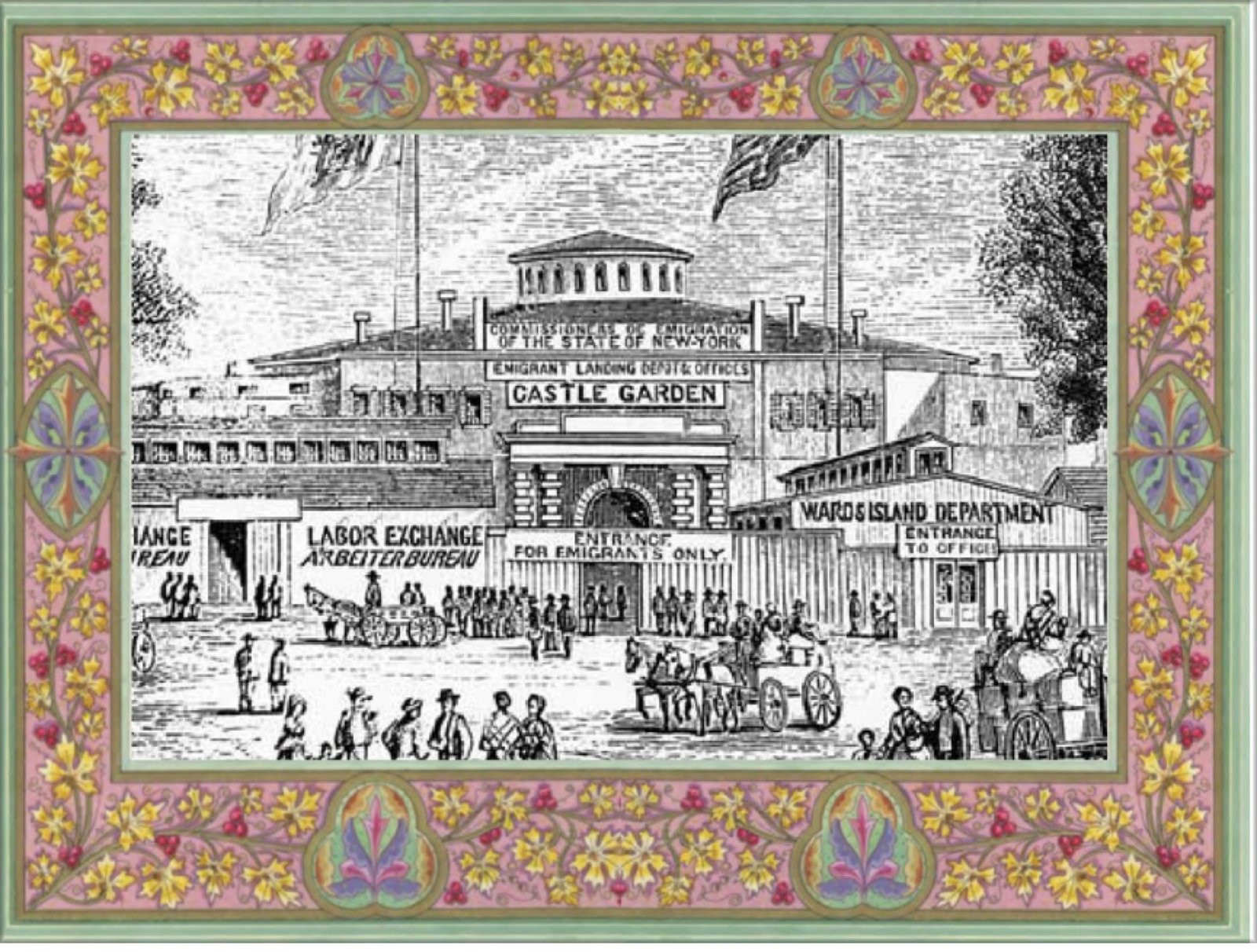
He passed through emigration an Castle Garden in Battery Park, New York City April 3rd, then proceeded to travel throughout the major eastern cities, preaching, seeing old and new friends and collecting money for the church.
preached in Dr Blackwoods morn. Sabb. 10th Apr Host Hall. Afternoon
Mr. Gaileys Engs. rs.
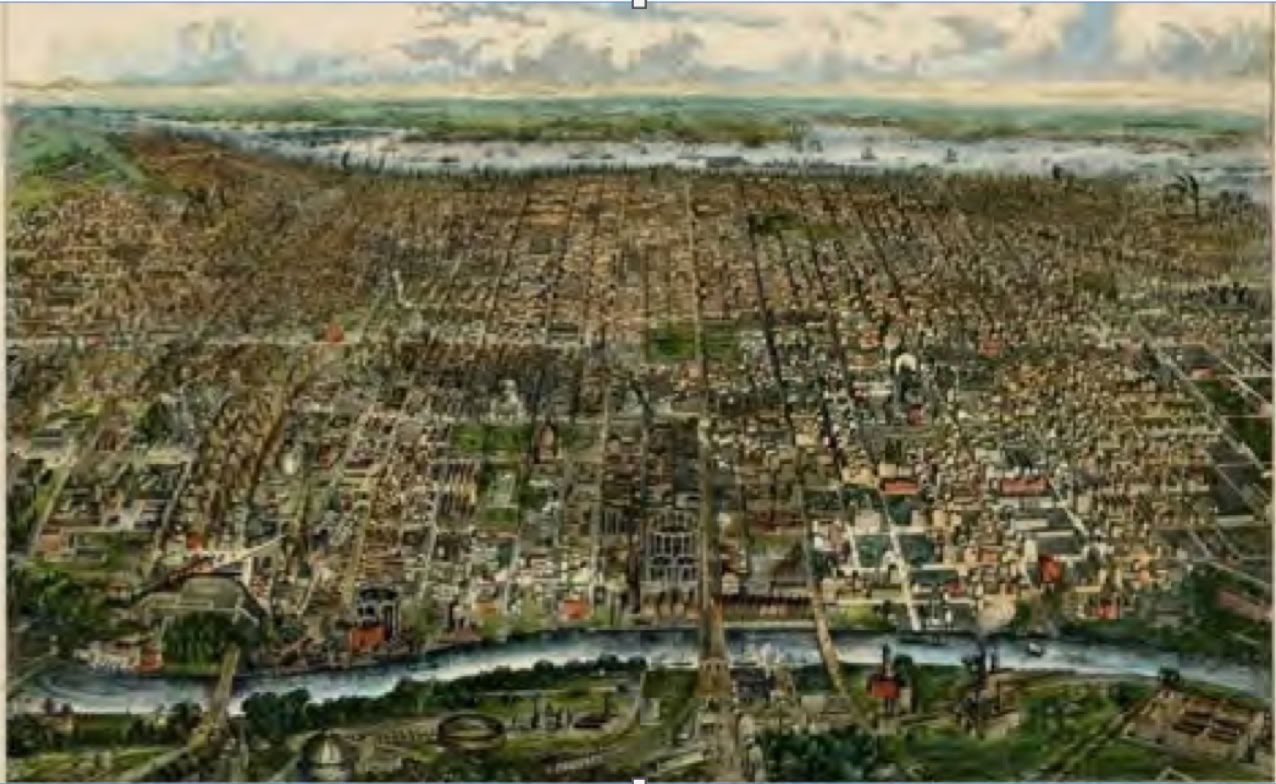
Left N.Y. Thursday - April 1 ar 4 0’clock. 3 O’clock arrived in Philadelphia at Rev. Gailey”s 1470 N. 6th at 9 O’clock preached for him on Sabb morn & noon. (3rd April)
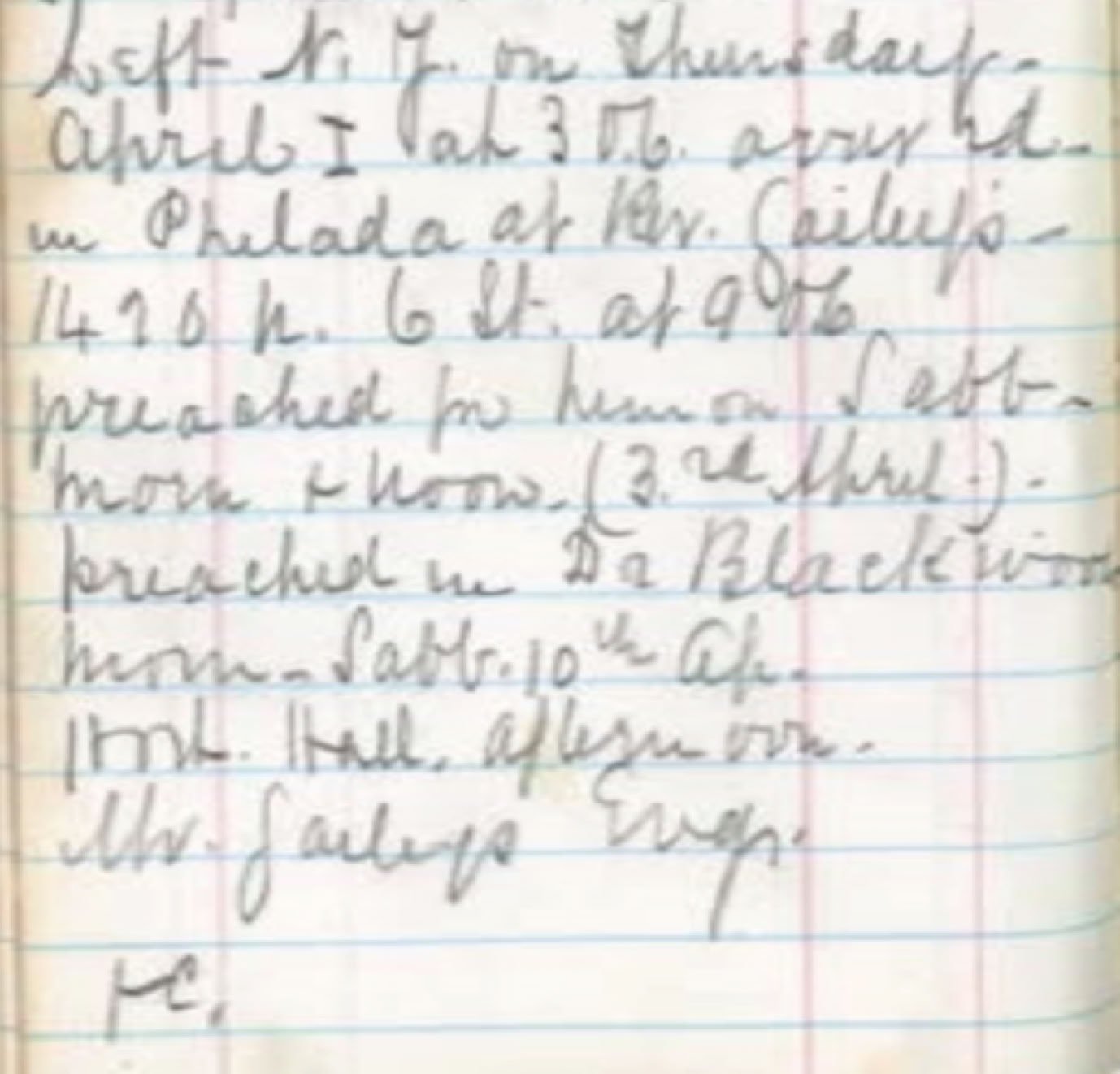
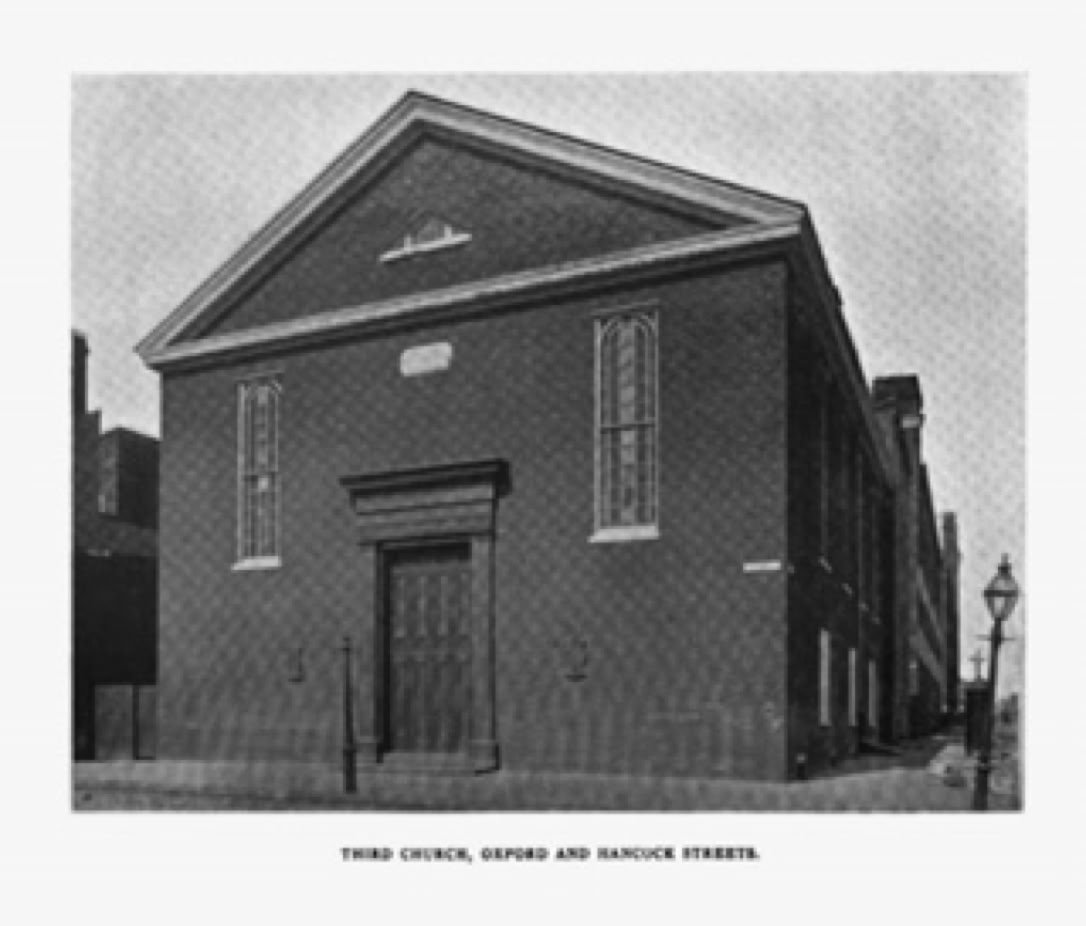
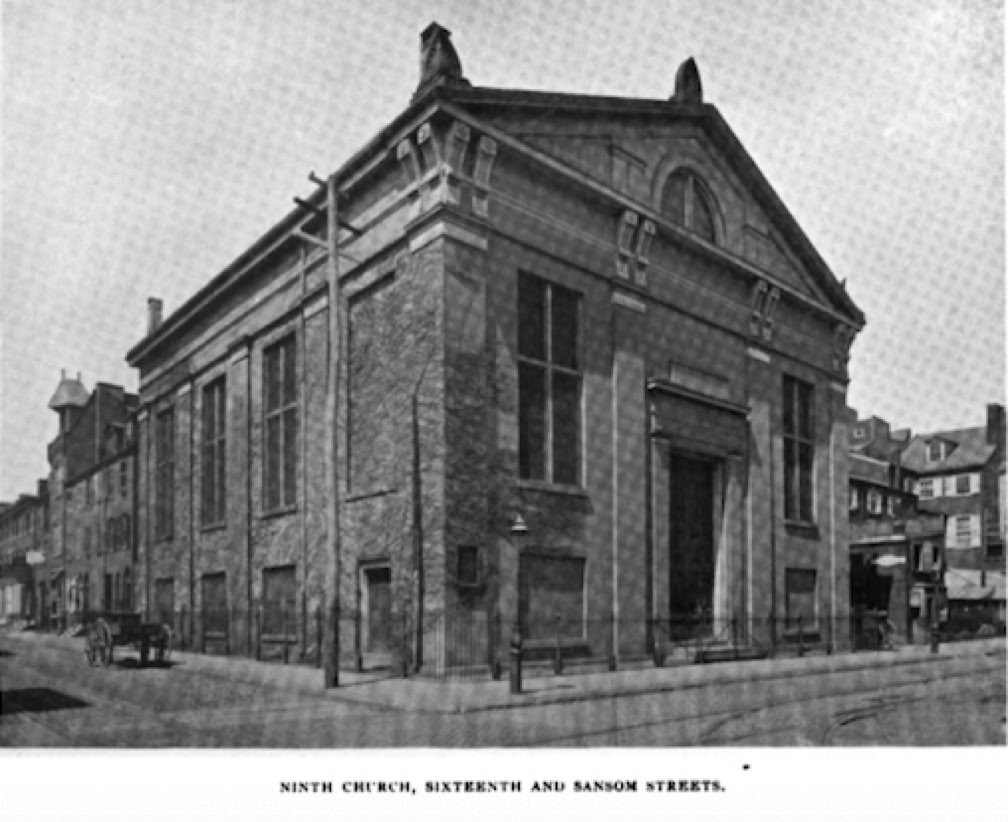
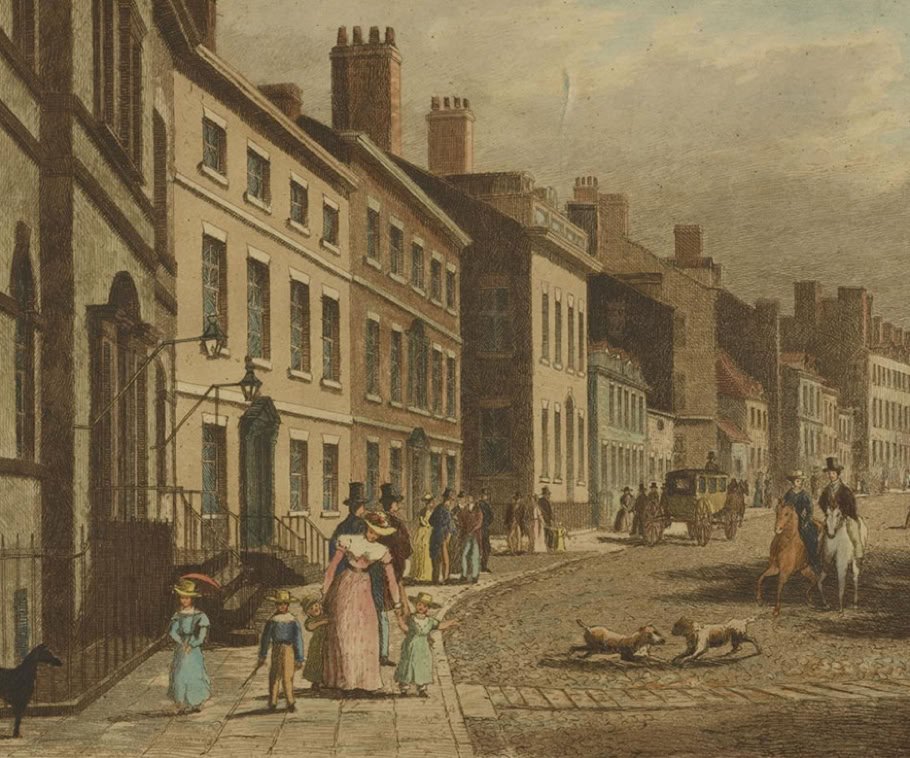
Dr Blakwoods North Church, Philadelphia
Philadelphia
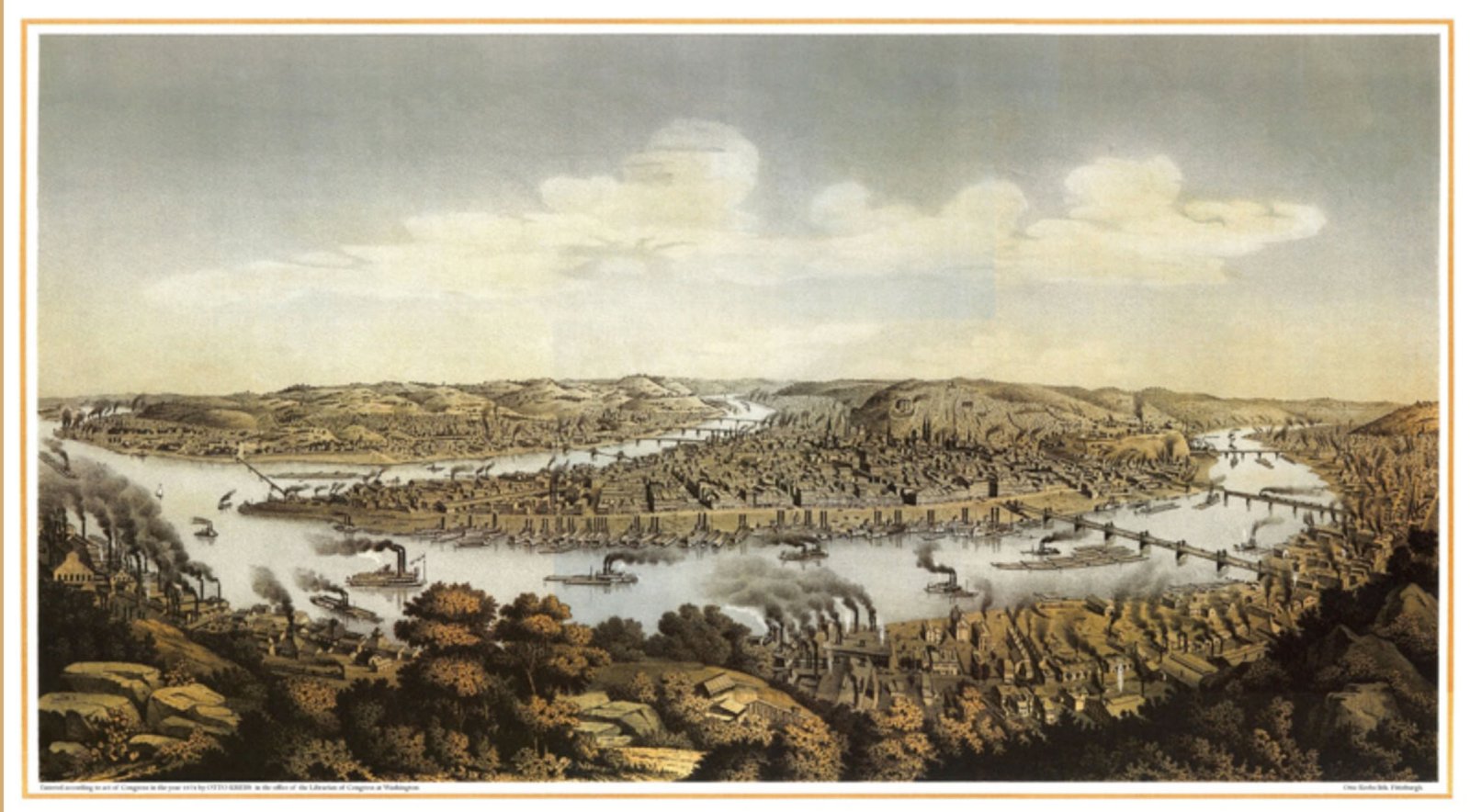
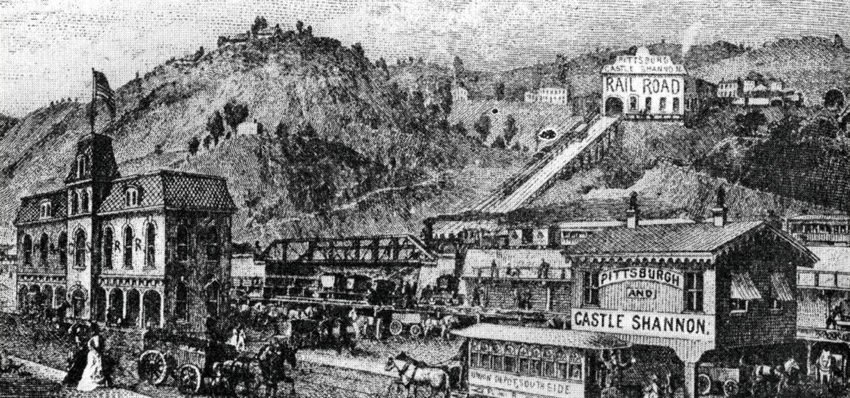
Pittsburgh
Left Philadelphia on Wednesday July 20 at 12 O’clock (midnight) arrived in Pittsburgh at 2 1/2 O’clock PM Breakfast at Alkuna. Visited Easton on Monday 12th _
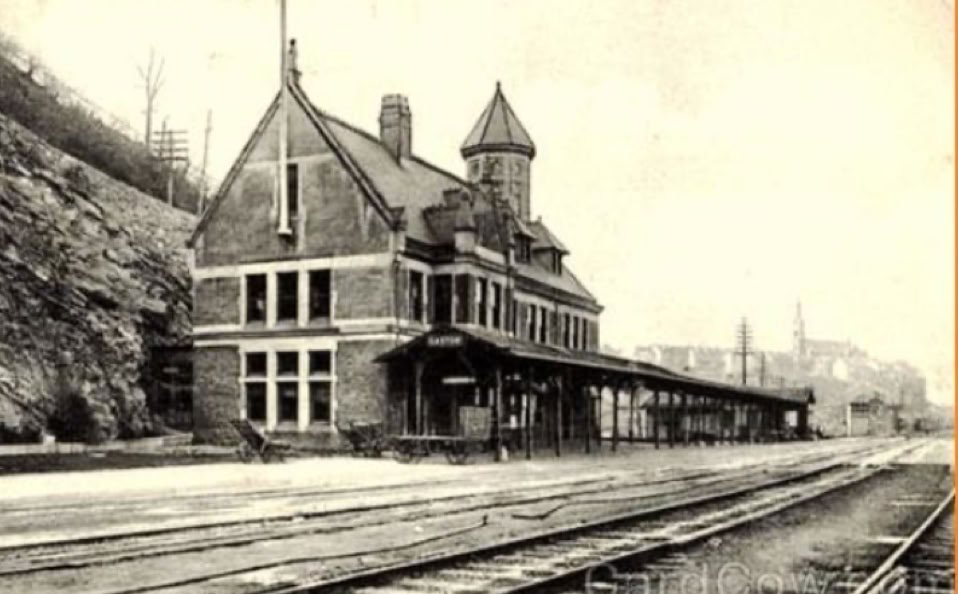
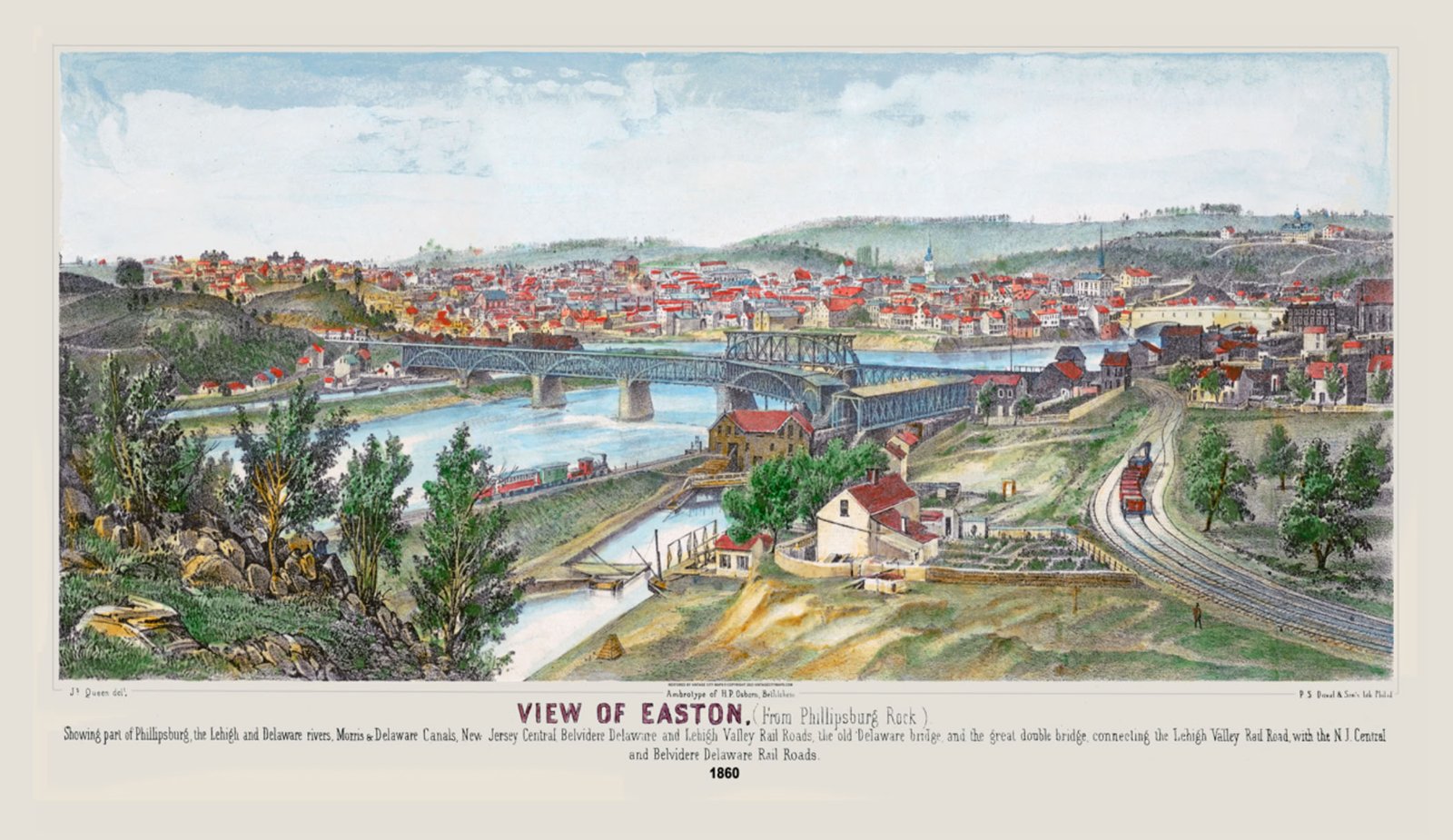
Easton
Ariel
a book _ _ _ _ on the
origin of the races
showing that that negro is not Adams descended.
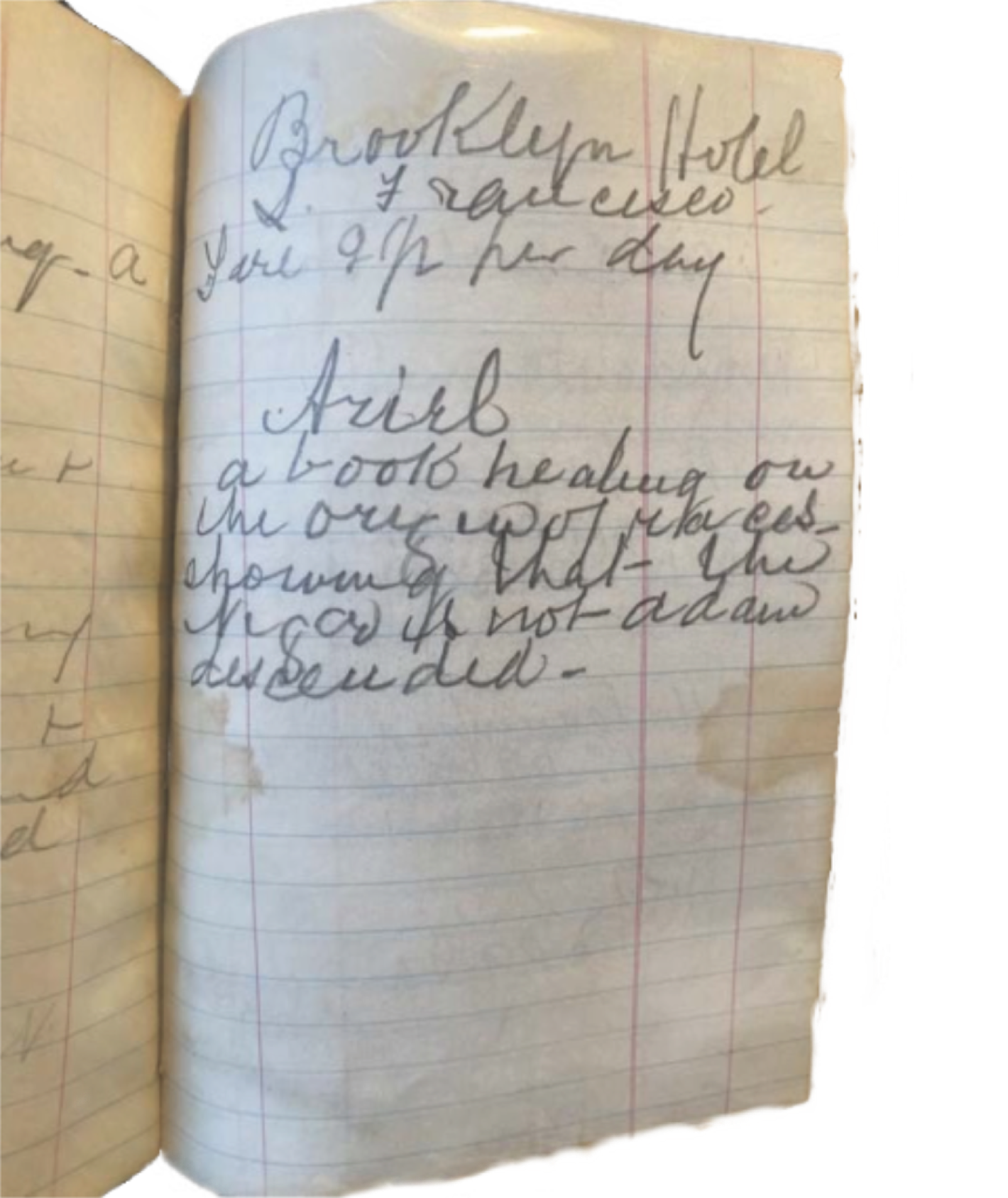
Twenty pages of the journal record address and notes on the places and people he visited. One of these is page 3, later on, pages 92 to 101. For example, page 94 contains two references,
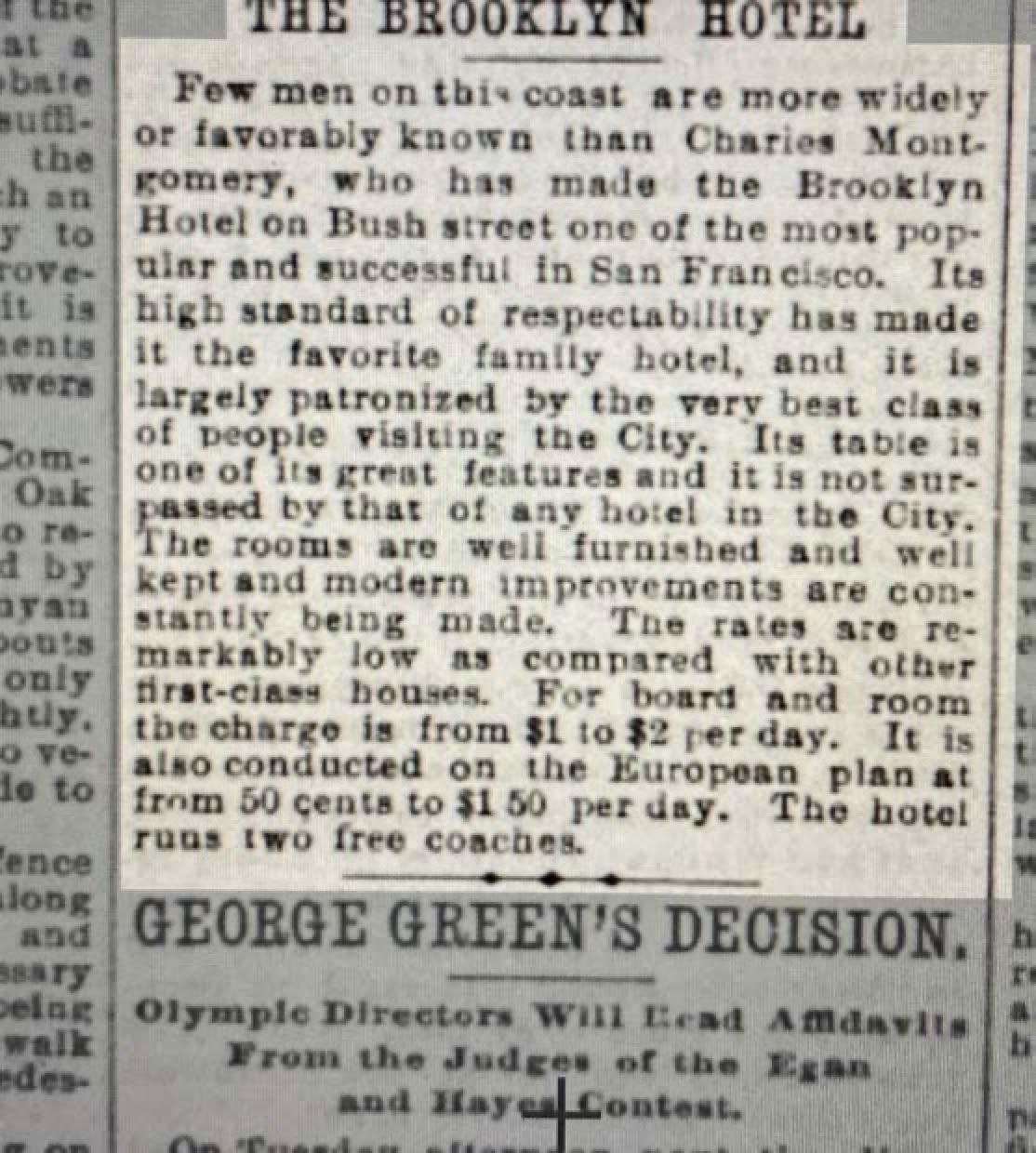
Brooklyn
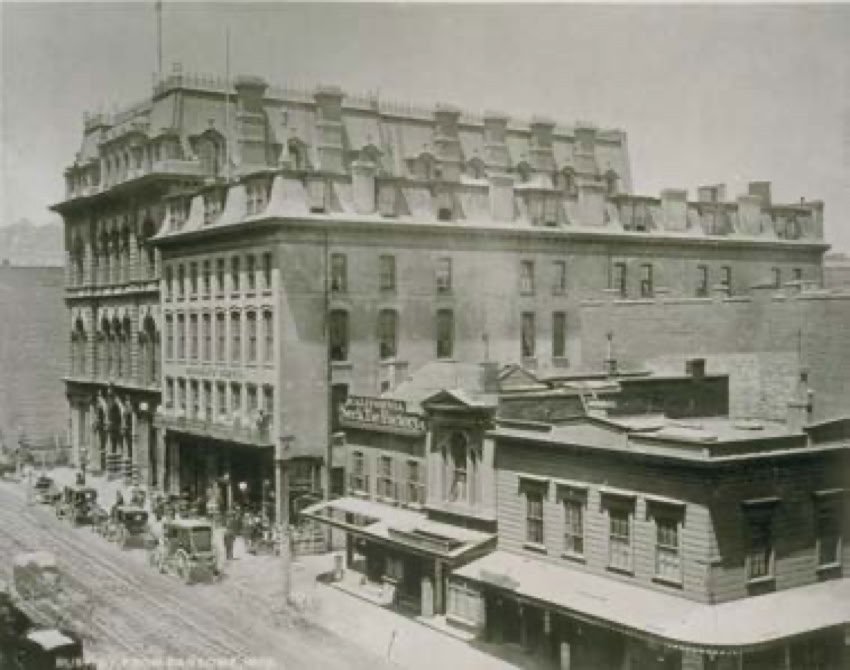
Brooklyn Hotel, S Francisco, Fare 9 1/2 per day
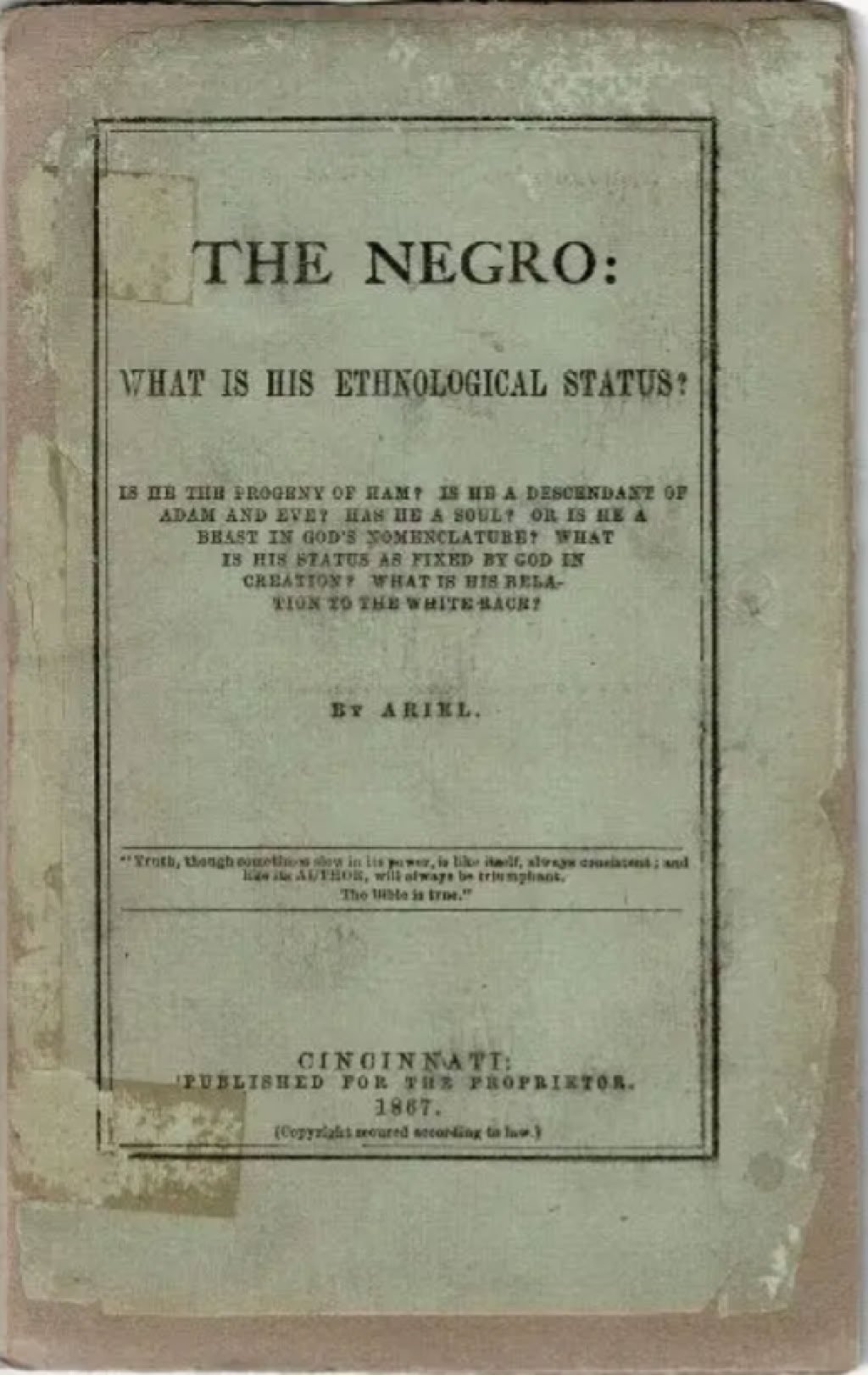
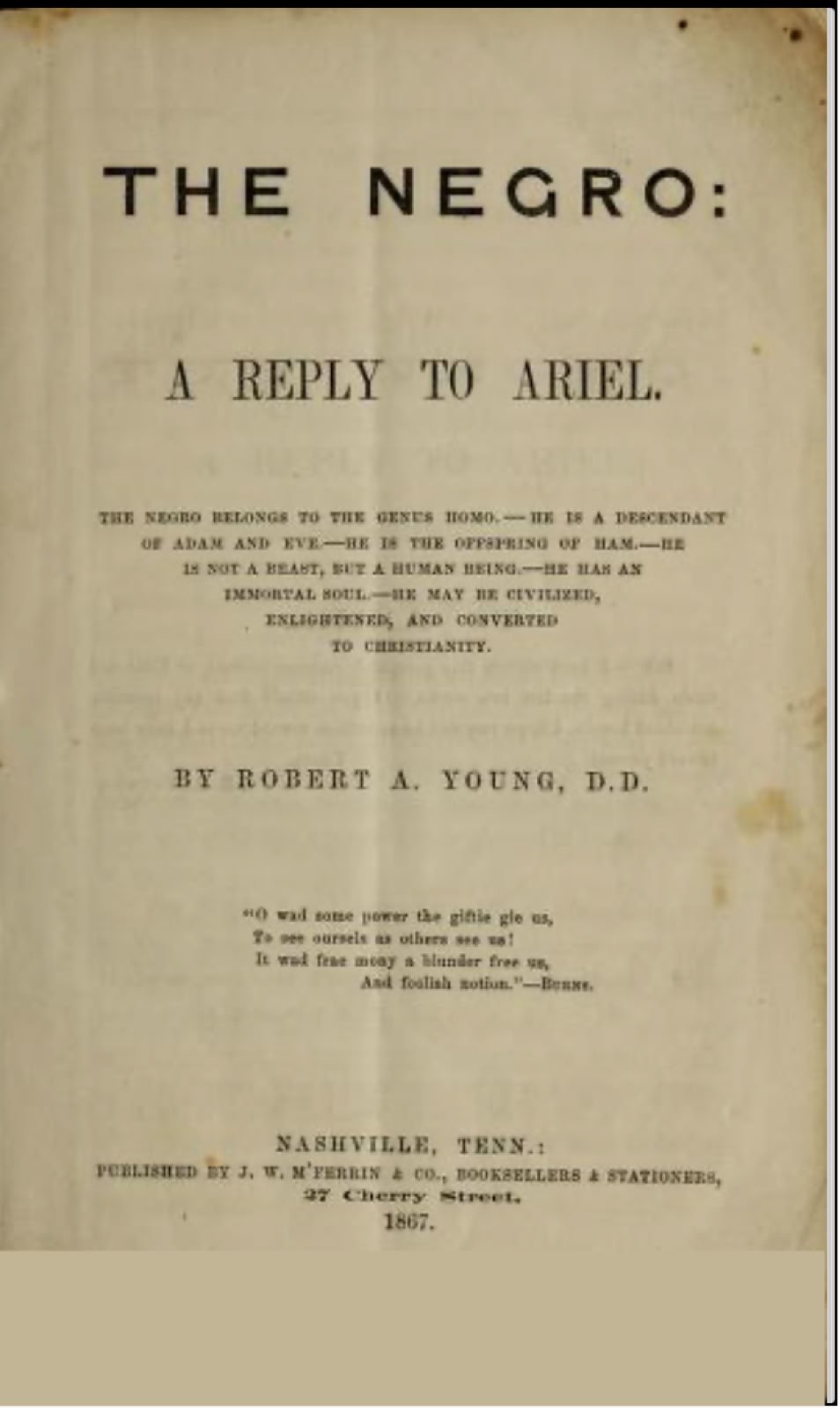
Rev. Robert Anderson Young in The Negro: a Reply to Ariel.
This pamphlet was at the center of the continuing debate throughout society on the slavery and the rights of African, Asian and Mexican Americans. Splits in Presbyterian theology were part of the landscape. John Hemphill was to becoming an important participant in the political of his time. Where, exactly, did John stand on the issues here presented? etc
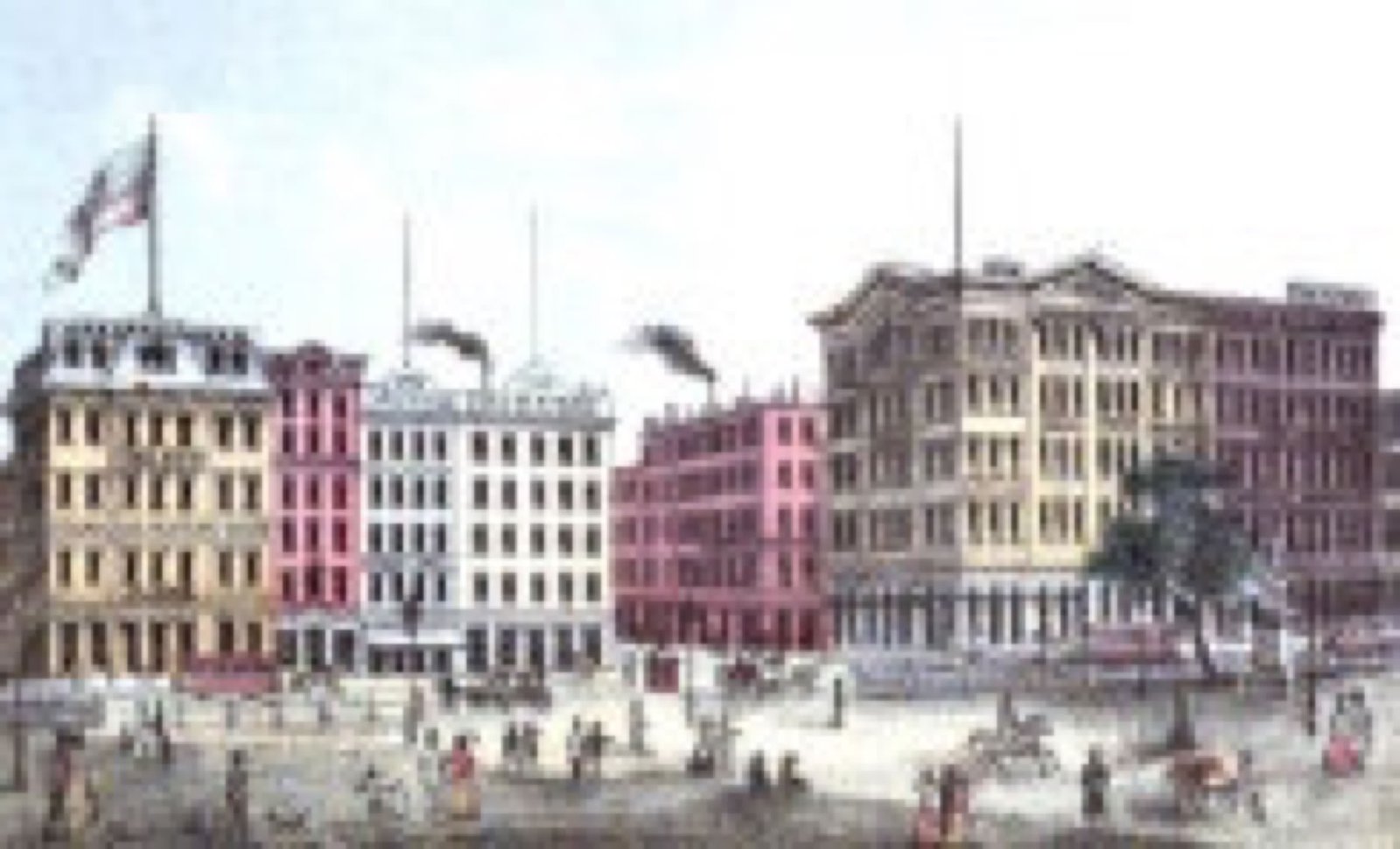
Page 100 contains three addresses all referring to locations in New York City
for people to meet in the
publishing and banking
exchange industries.
New York City
Las Brown
71 Varick St (NYC)
corner of Canal
D.M. Creres
Scottich American
37 Park Row above Observer
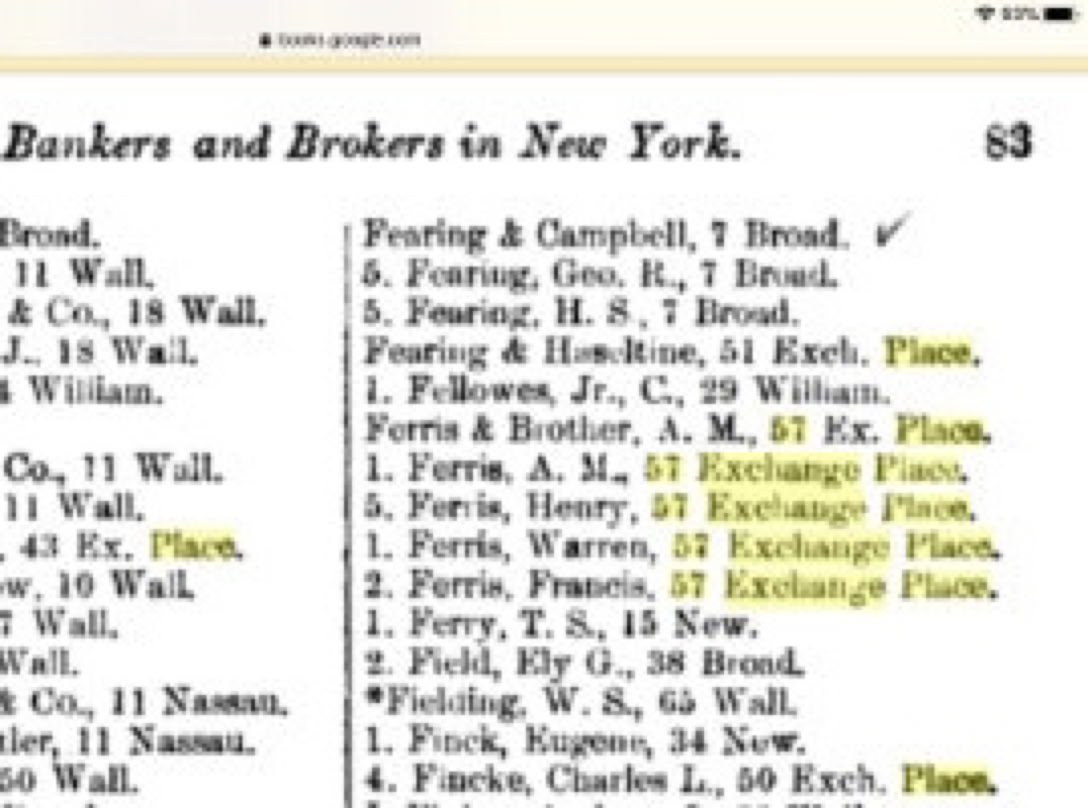
Ferris
57 Exchange Place
Mr McFay
Charles
Chair of Forsythes
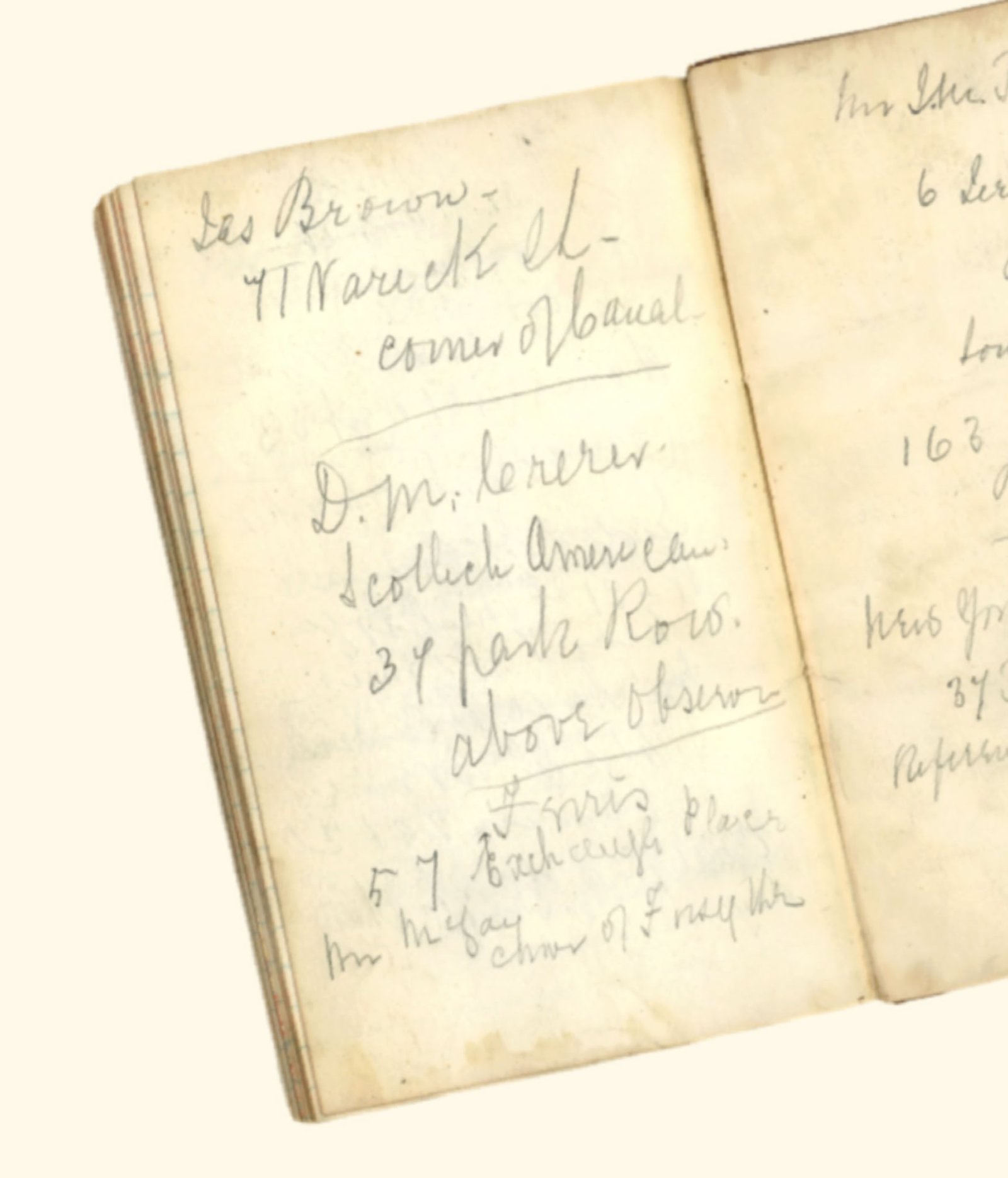
57 Exchange Place Mr McGay corner of forsythe
All of these pages are fascinating, lead to intriguing adventures and reveal much about John Hemphill but, for now, we will put them aside and board the Iron Horse for the second crossing.

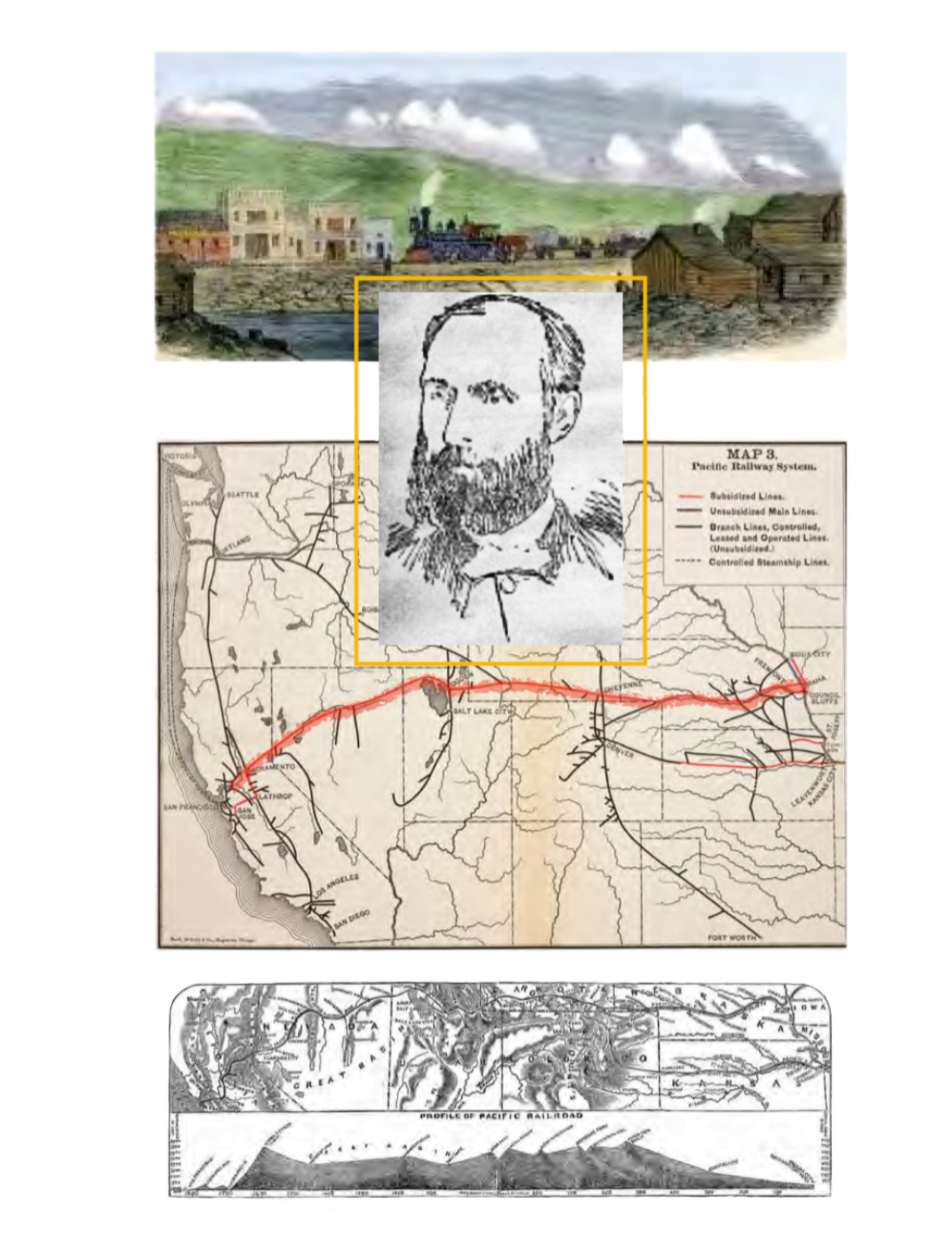

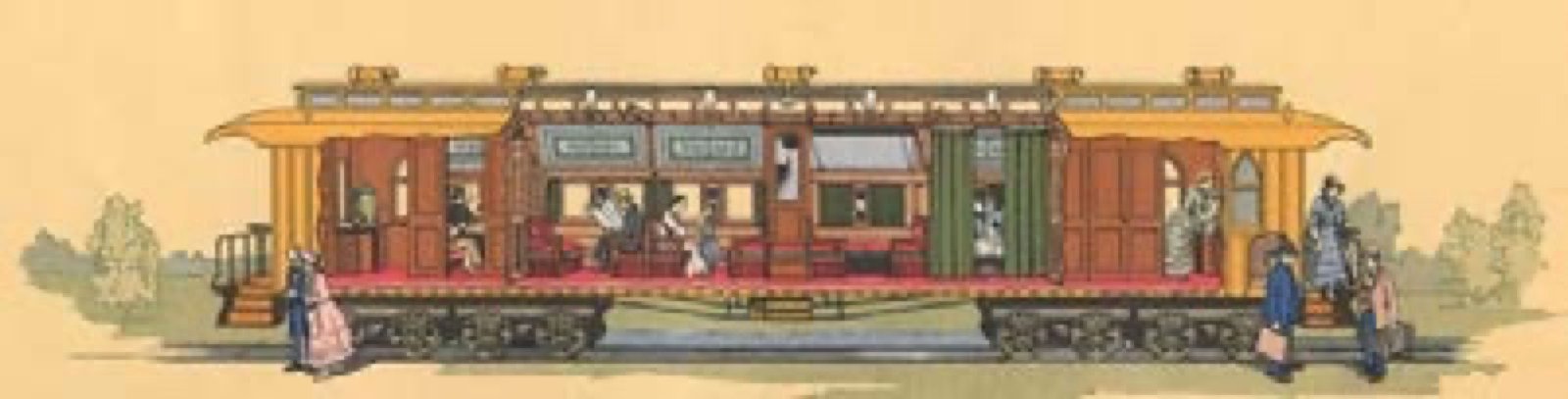
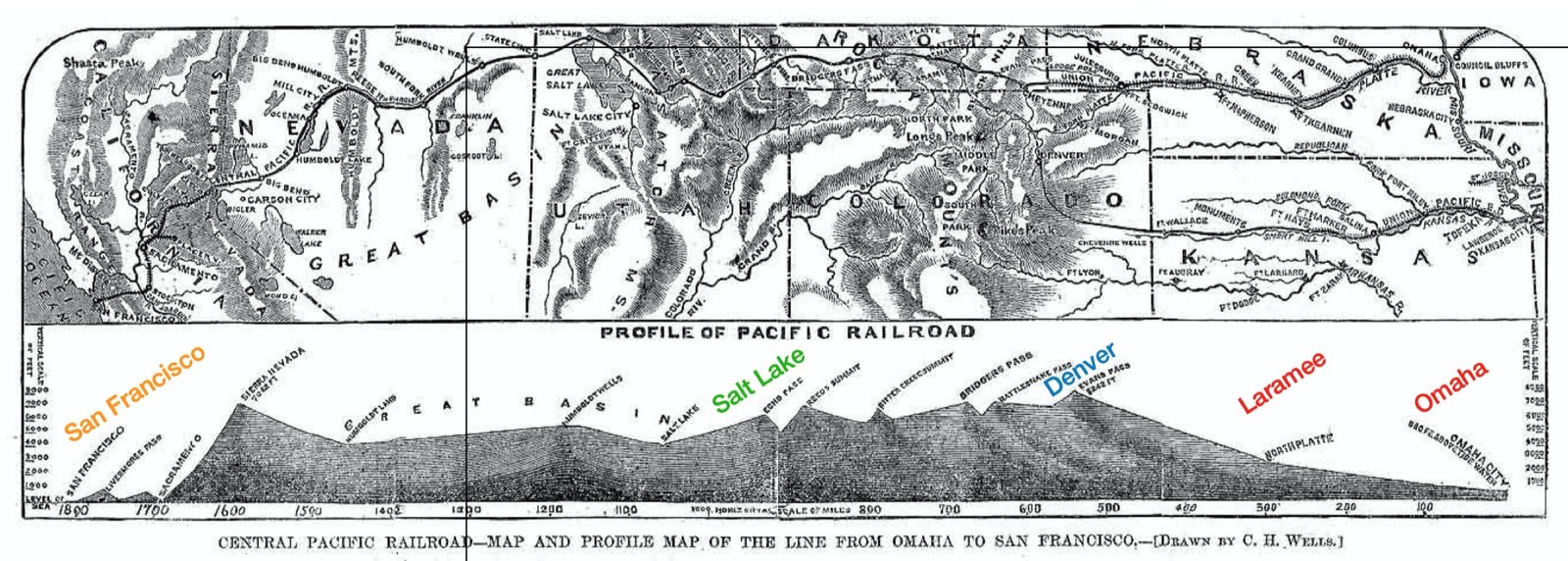
September 9, 1869
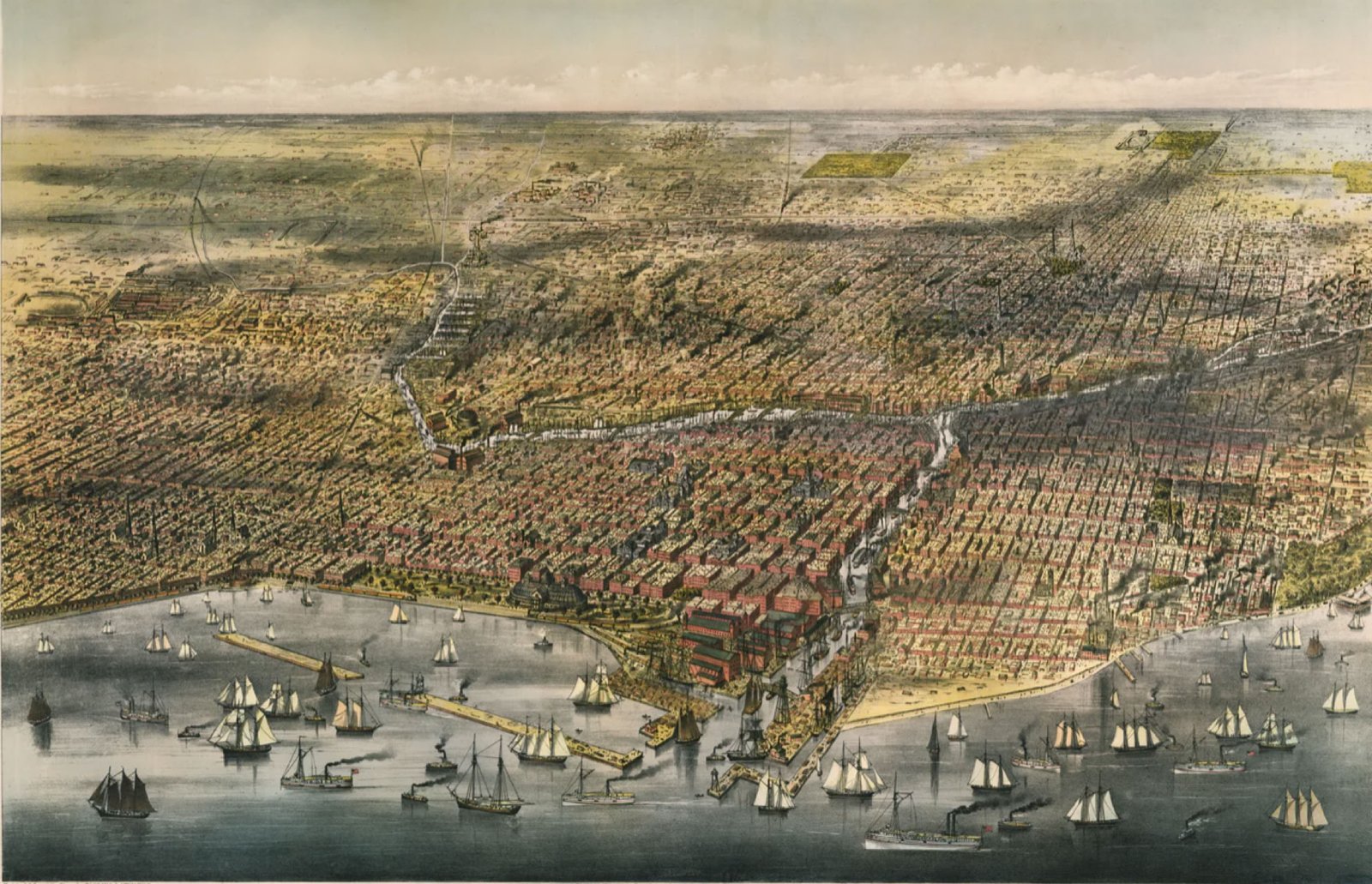
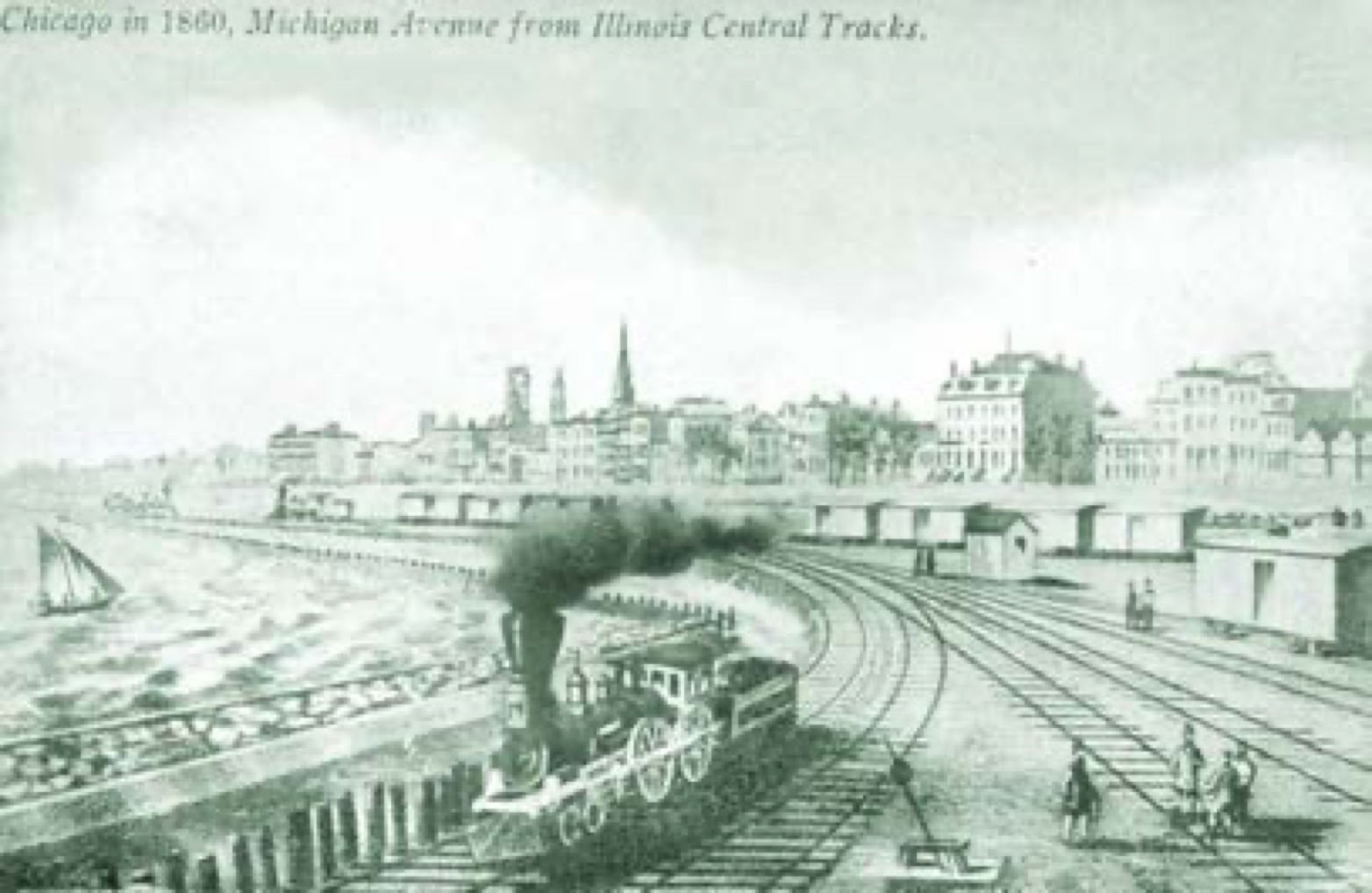
Chicago
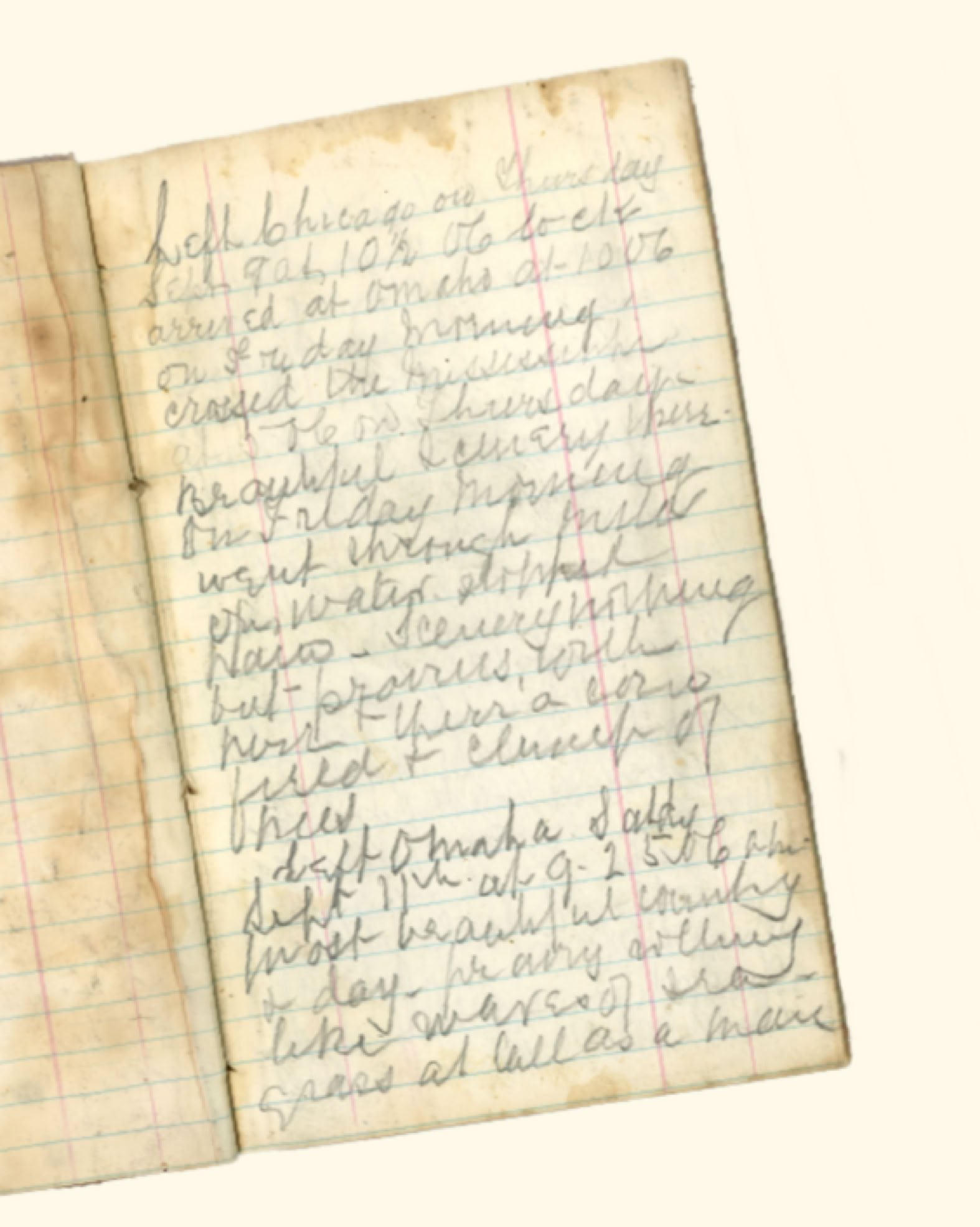
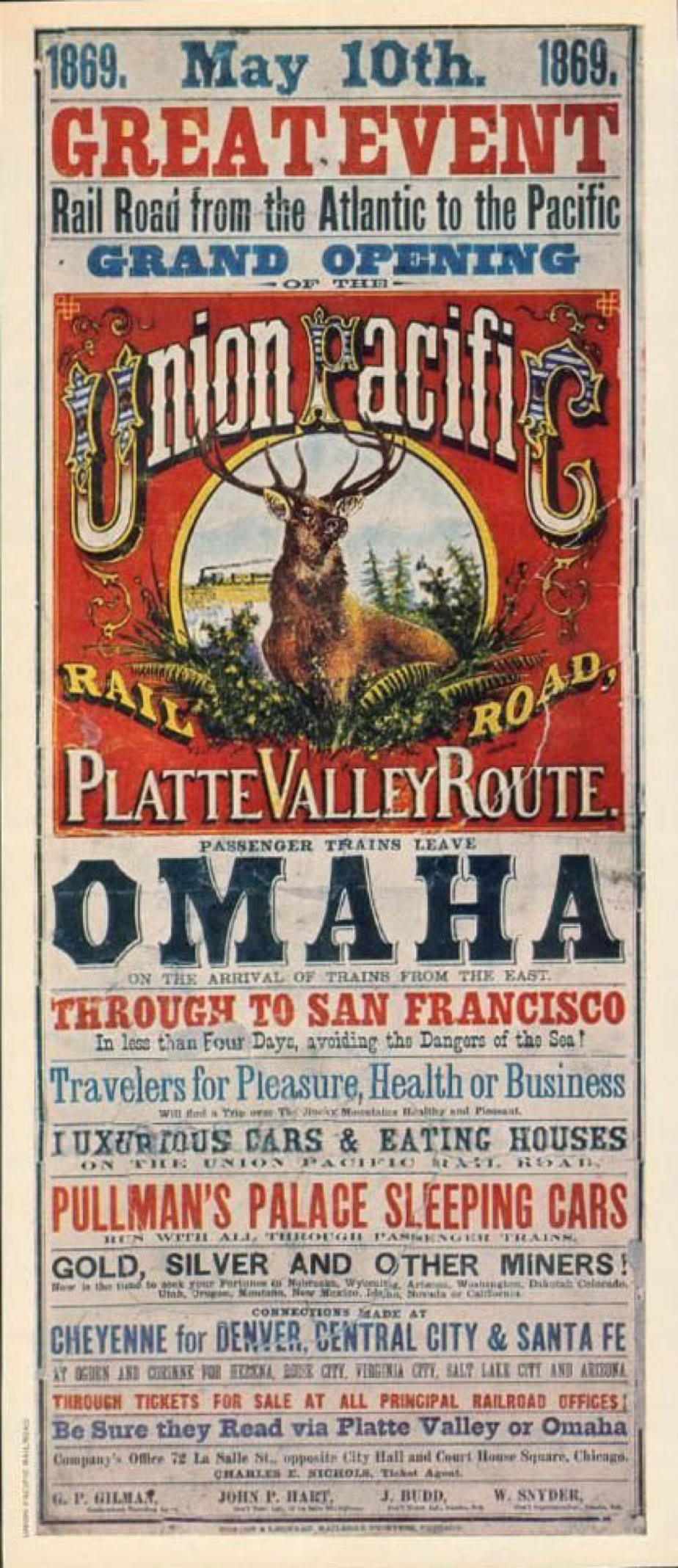
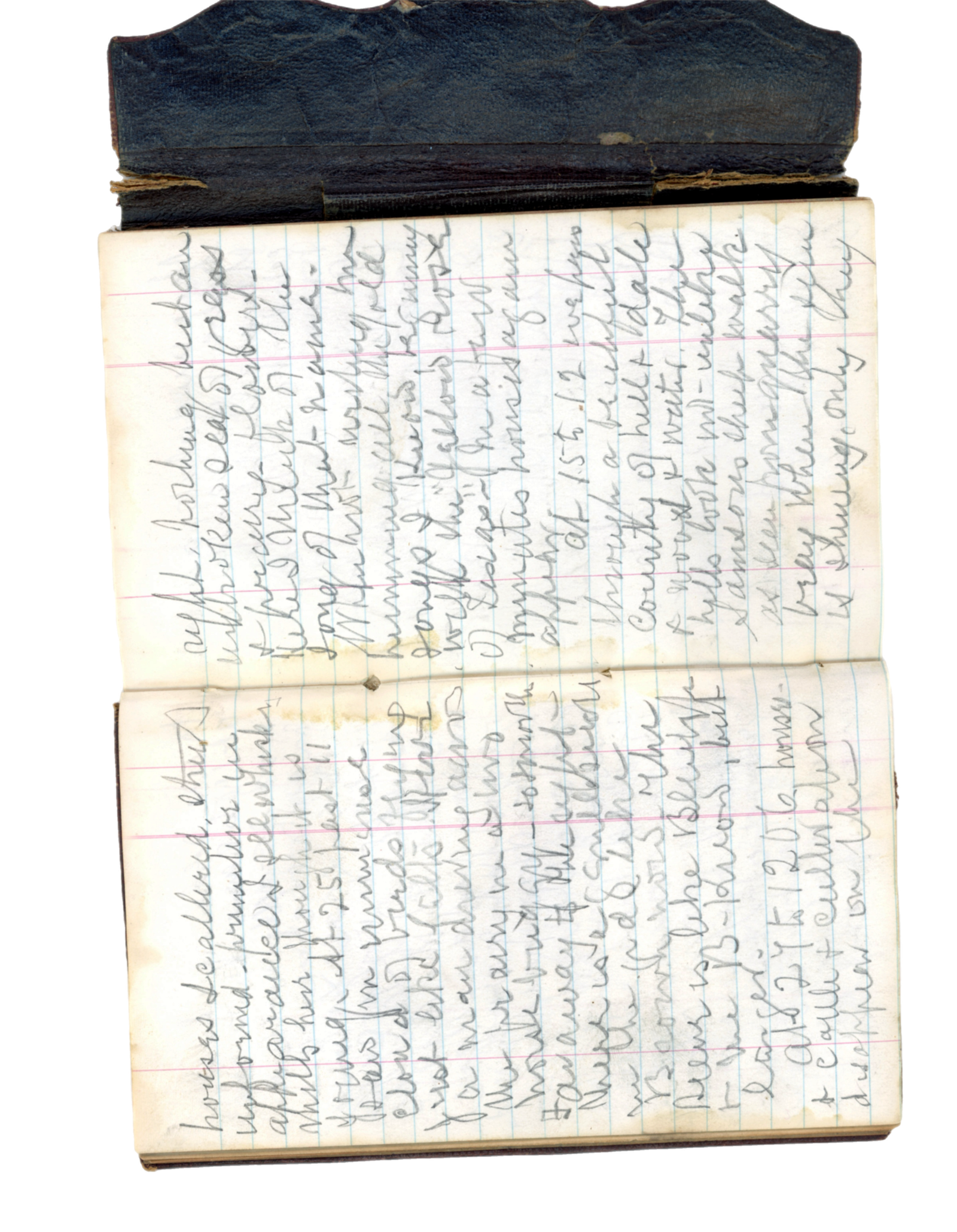
Left Chicago on Thursday September 9 at 10 1/2 06 O’clock arrived at Omaha at 10 06, on Friday Morning. Crossed the Mississippi on Thursday, beautiful scenery here. On Friday morning went through the wild on water. Stopped raining - scenery nothing but prairies, with a house there a corn field & church of need.
September 10
page 7
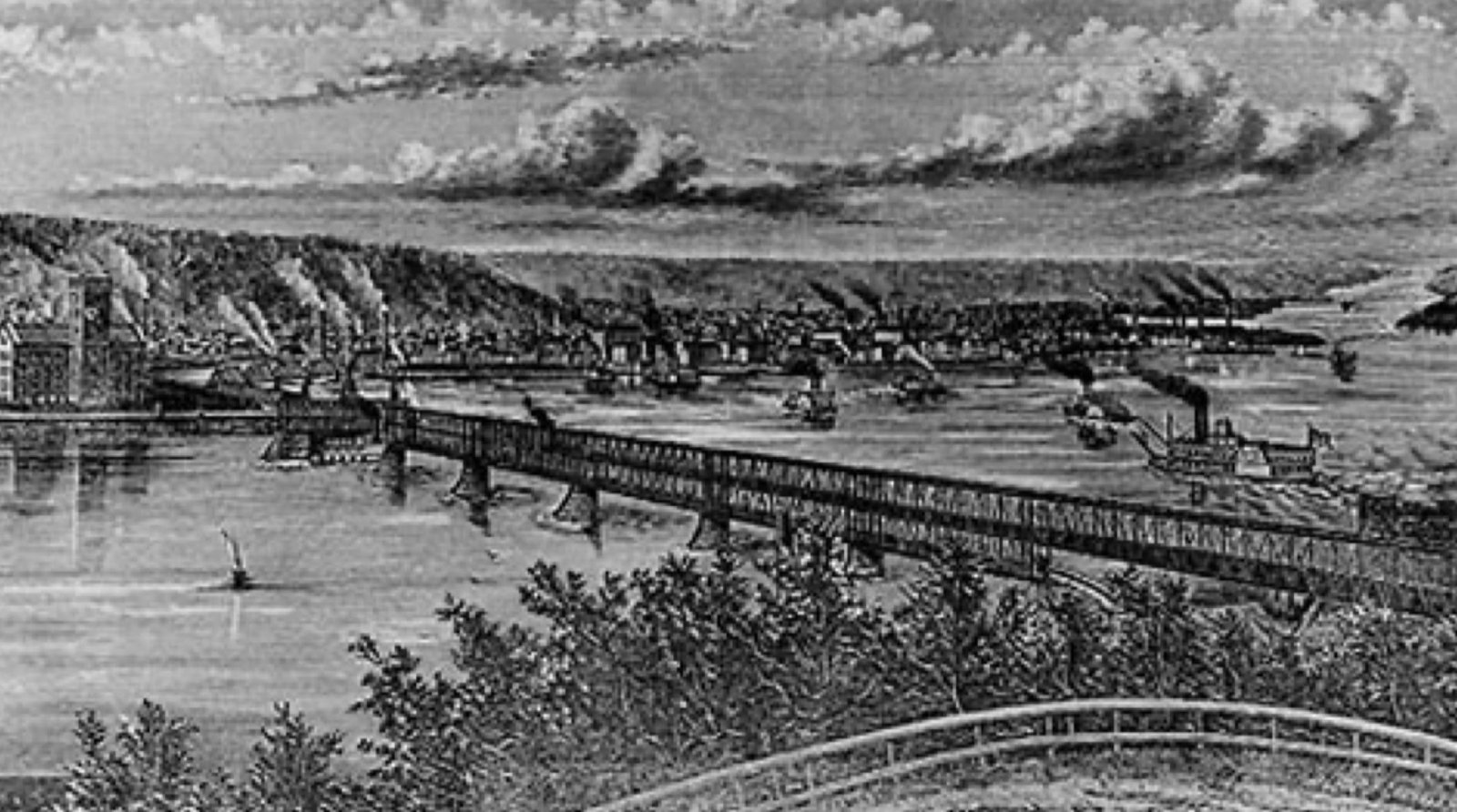
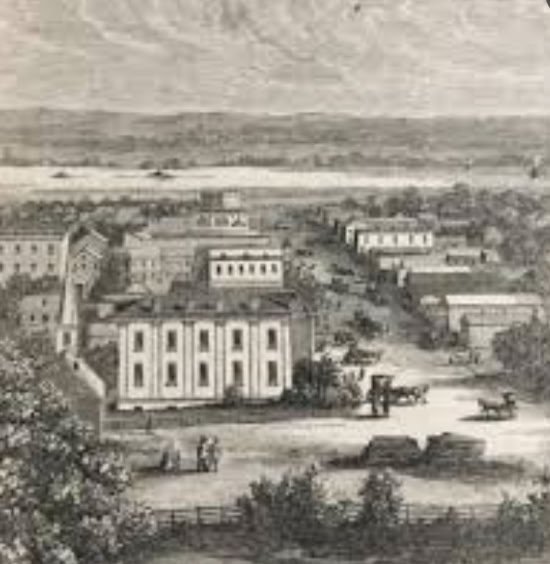
Left Omaha Saturday Sept 11th at 9 25 O’clock I experienced the most beautiful country & day. The prairie rolling like waves of sea - with grass as tall as a man.
Omaha
September 11
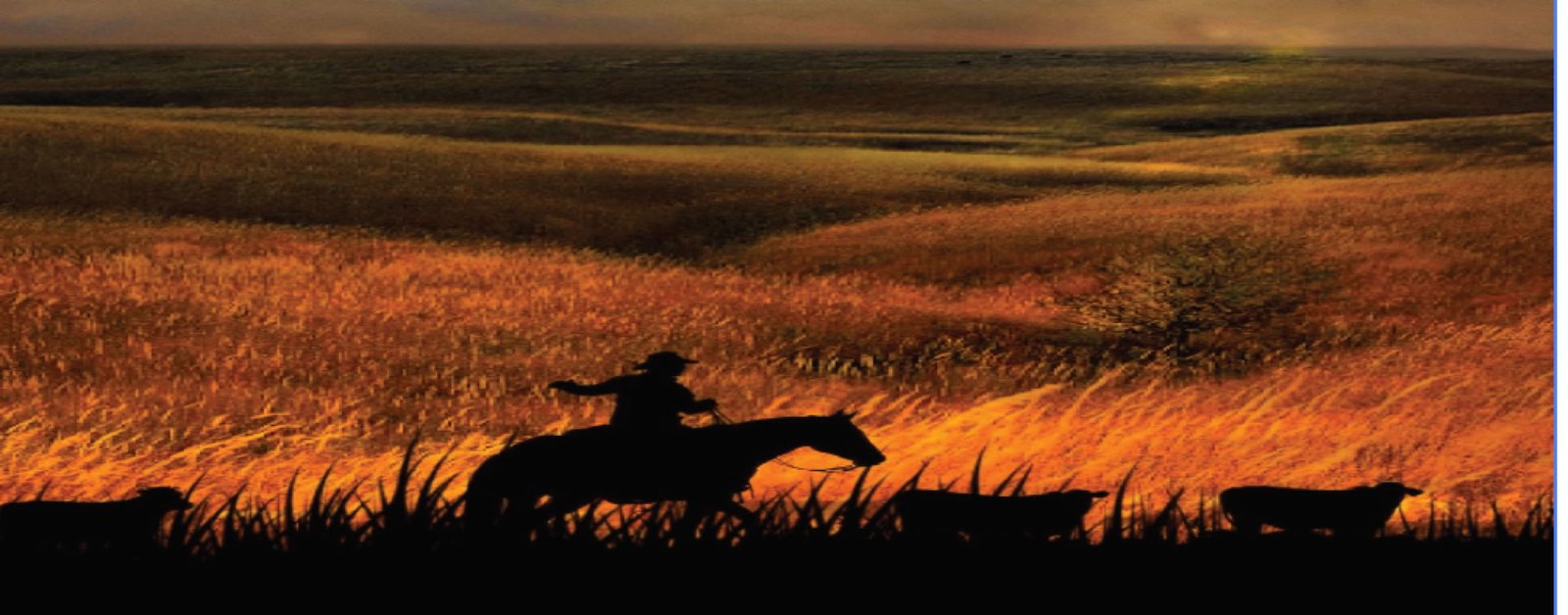
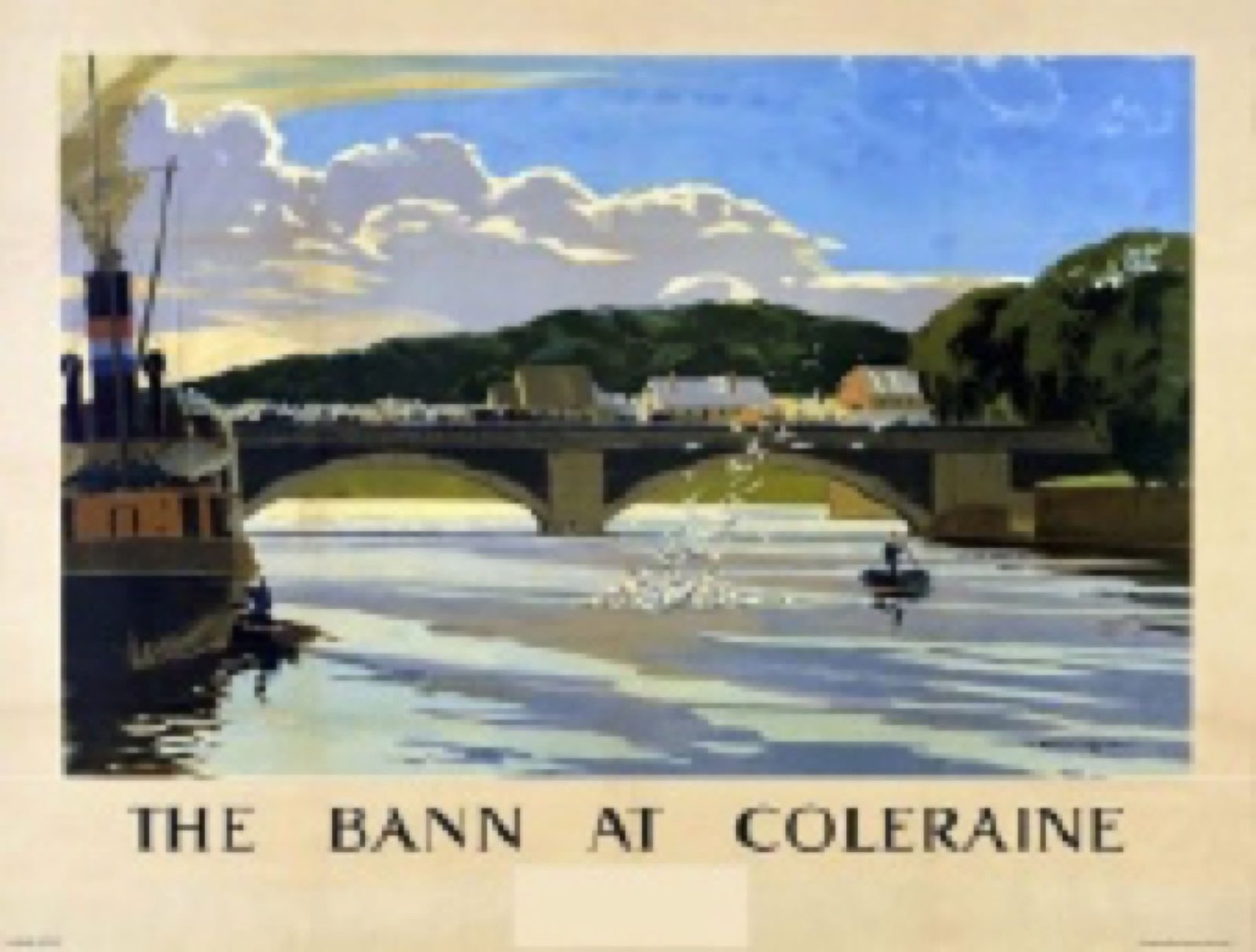
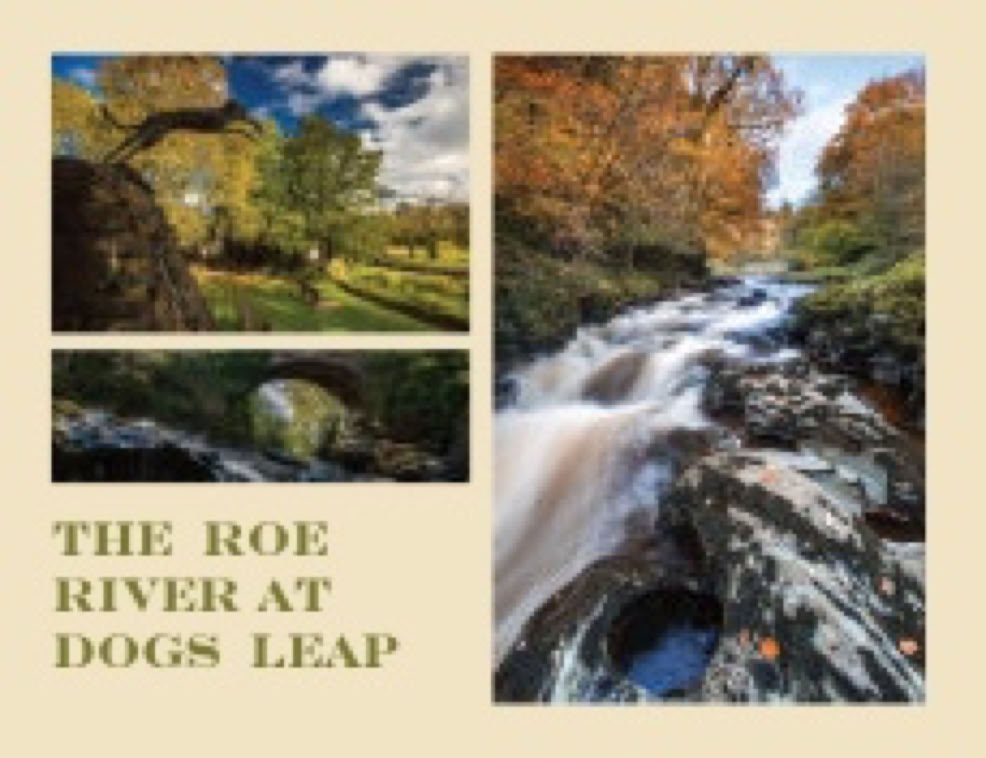
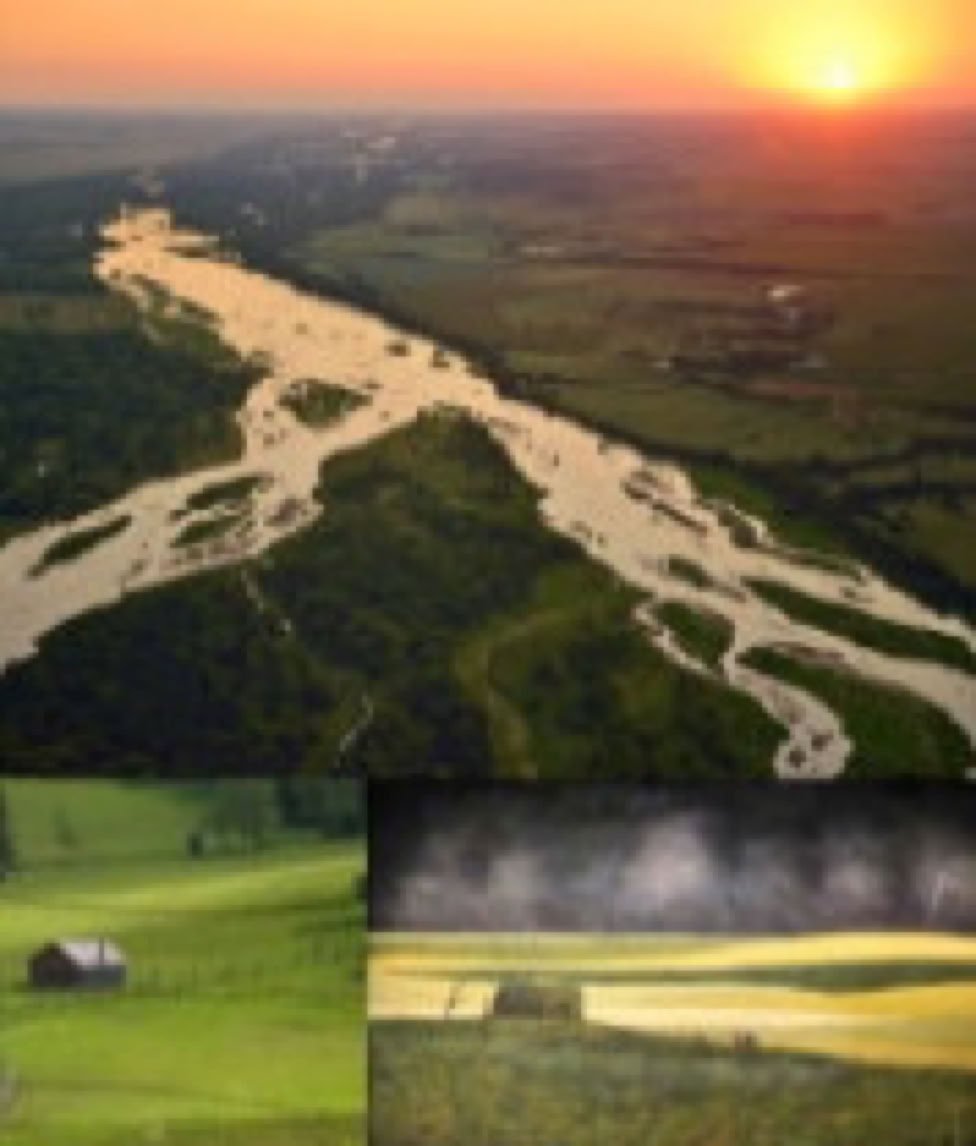
Splendid herds of cattle - so many as 1,000 in one heard, very large and good corn abound. A man following on a horseback, then turning to settle in so easy of culture. Then I saw a man with two horses tethered, cutting grass on newly claimed land. At 10 40 we came into a beautiful wooded country where there was a river about the size between the Roe & Bann (The Platt River). And as the eye can search on left gentle level as the slot, on light he best corn here I have seen yet!

September 12
I hear the locomotives rushing and roaring, and the shrill steam -whistle,
I hear the echoes reverberate through the grandest scenery
in the world,
I cross the Laramie plains, I note the rocks in grotesque
shapes, the buttes,
I see the plentiful larkspur and wild onions, the barren,
colorless, sage - deserts,
I see in glimpses afar or towering immediately above me
the great mountain,
I see the Wind river and the Wahsatch mountains,
I see the Monument mountain and the Eagle ' s Nest,
I pass the Promontory, I ascend the Nevadas,
I scan the noble Elk mountain and wind around its base,
I see the Humboldt range,
I thread the valley and cross the river,
I see the clear waters of lake Tahoe,
I see forests of majestic pines, Or crossing the great
desert, the alkaline plains,
I behold enchanting mirages of waters and meadows,
Marking through these and after all, in duplicate slender
lines, Bridging the three or four thousand miles of land travel, Tying the Eastern to the Western sea.”
page 8
page 9
At 11 06 came into a herd of Cattle with a man watching on horse, grass so long that you only see the the cattle’s backs. To the left in the distance, beautiful woods and _ _ _ _ _ _ _ _ pretty houses clumps of trees and corn fields, scared _ _ _ _ and their _ _ _ _ _ _ _ _ of _ _ _ _ _ _ the scenery, corn about 12’ high. Arrived at Fremont at - 12 past 11 O’clock Omaha hours. A city or village on a perfect flat
Lorem ipsum dolor sit amet, consectetur adipiscing elit. Aliquam tincidunt lorem enim, eget fringilla turpis congue vitae. Phasellus aliquam nisi ut lorem vestibulum eleifend. Nulla ut arcu non nisi congue venenatis vitae ut ante. Nam iaculis sem nec ultrices dapibus. Phasellus eu ultrices turpis. Vivamus non mollis lacus, non ullamcorper nisl. Pellentesque habitant morbi tristique senectus et netus et malesuada fames ac turpis egestas. Phasellus sit amet
Fremont
page 10
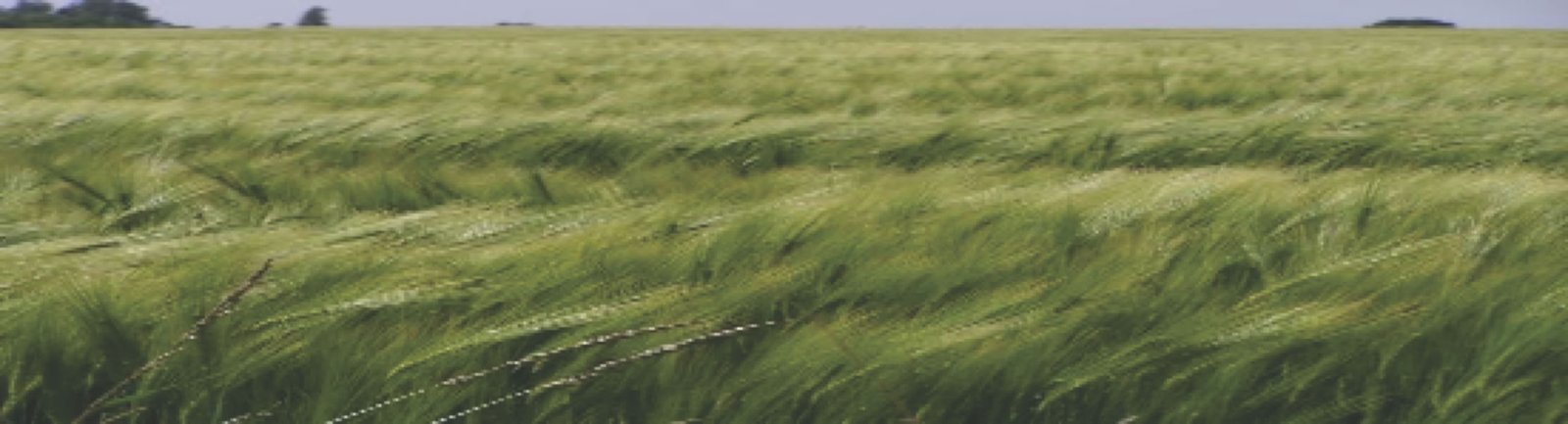
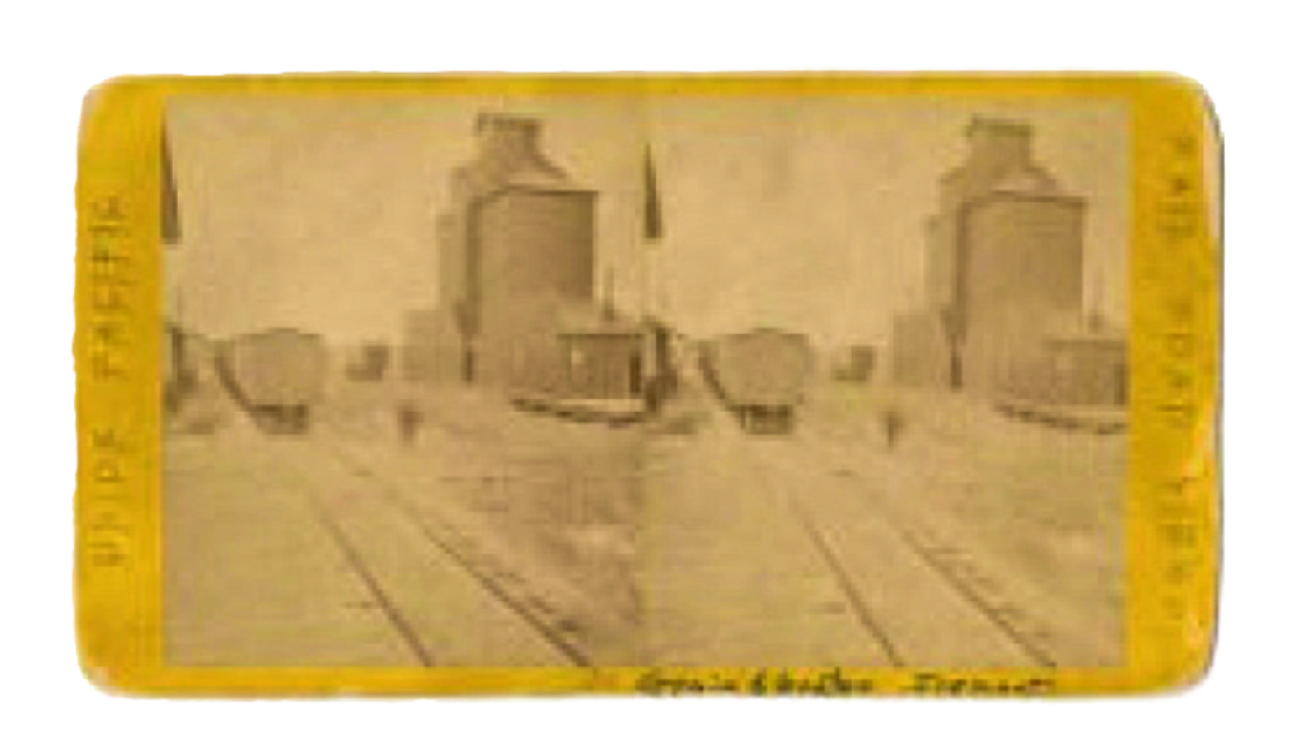
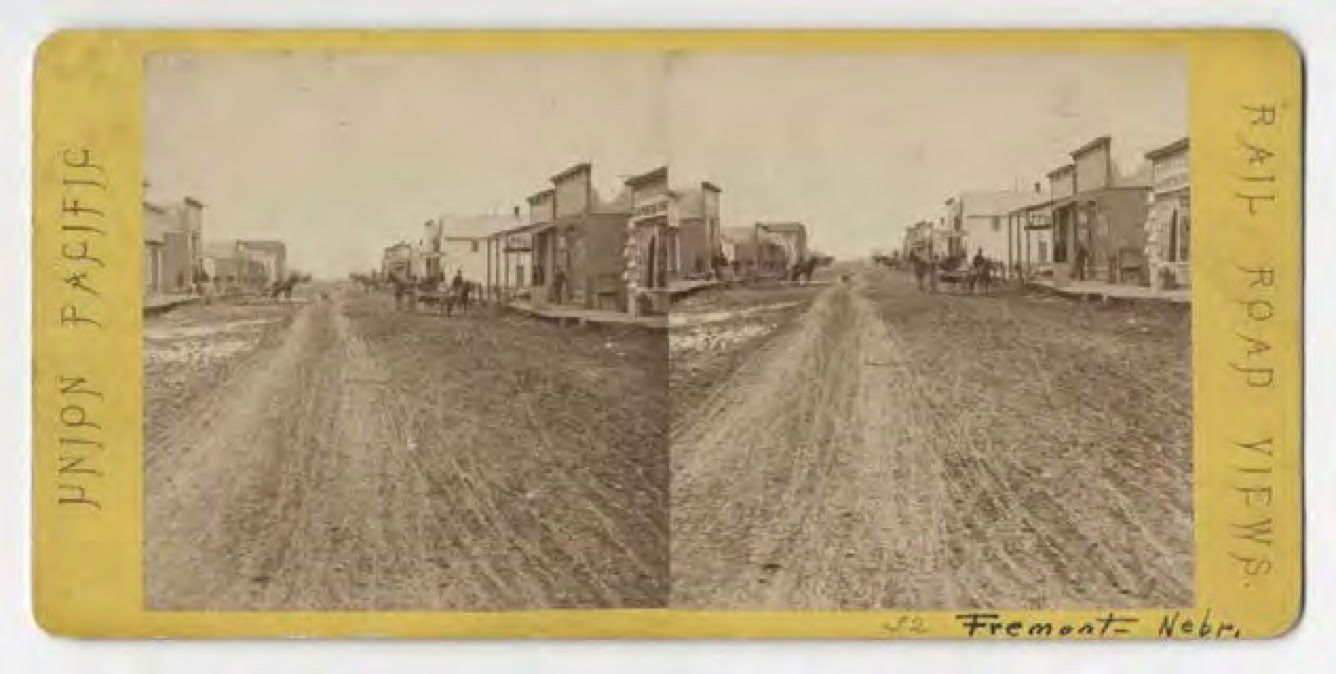
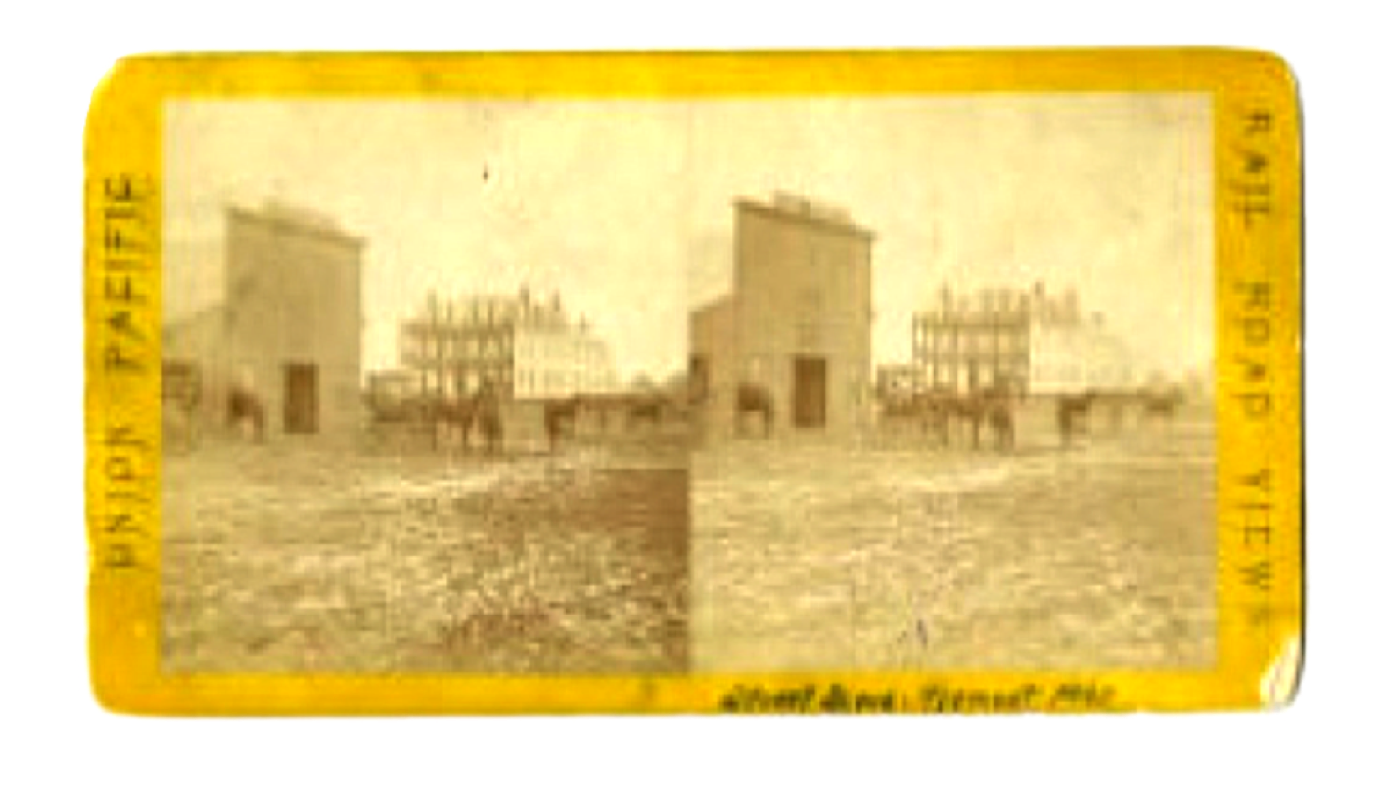
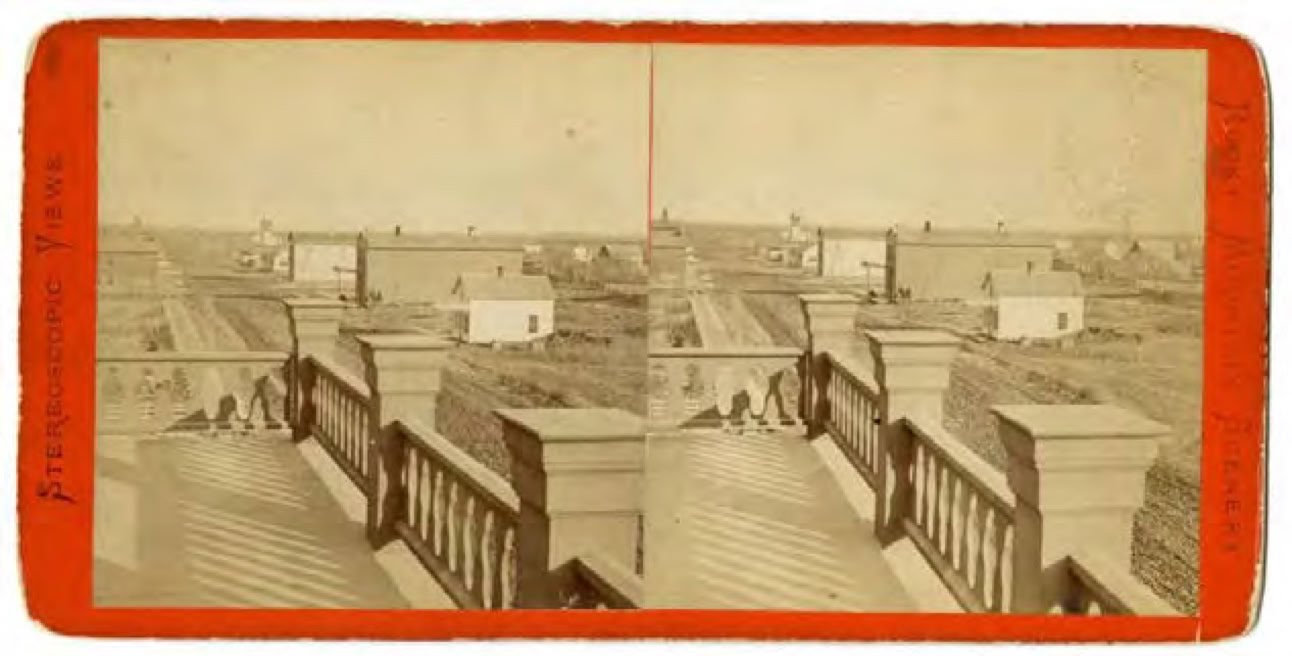
Primative in appearance. I see
Whisky mills here though it is
Going at 25 past 11. saw
Nunerous clouds of birds fly up,
Just like
page 11
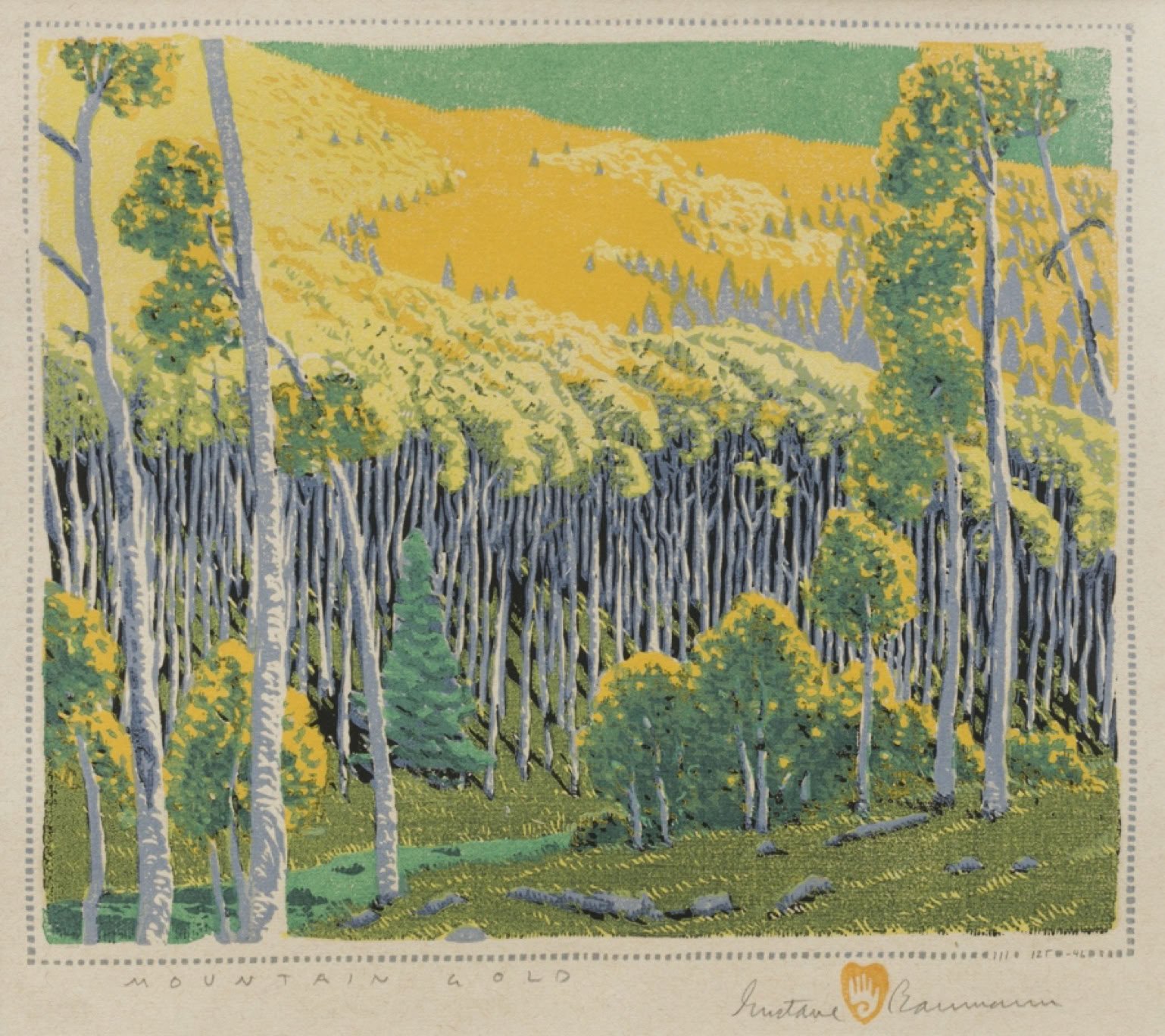
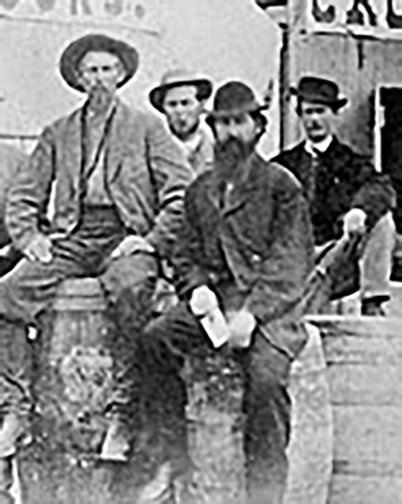
right, nothing but an unbroken sea of grass and prairie flowers. Here I think of the song of _ _ _ _ _ _ _ - When not writing, I’m humming all the old songs I know, beginning with “ Yellow rose of Texas”- In a few minutes horses again appear.at 15th to 12 we pass through a beautiful country of hill & dale & woods & water. The hills look not unlike Samsons sheep walk as seen from quarry bray when the sun is shining, only
Amos 7:2
Thus the Lord GoD showed me: behold, the Lord God was calling for a judgment by fire, and it devoured the great deep and was ... lo custas in principio, cum
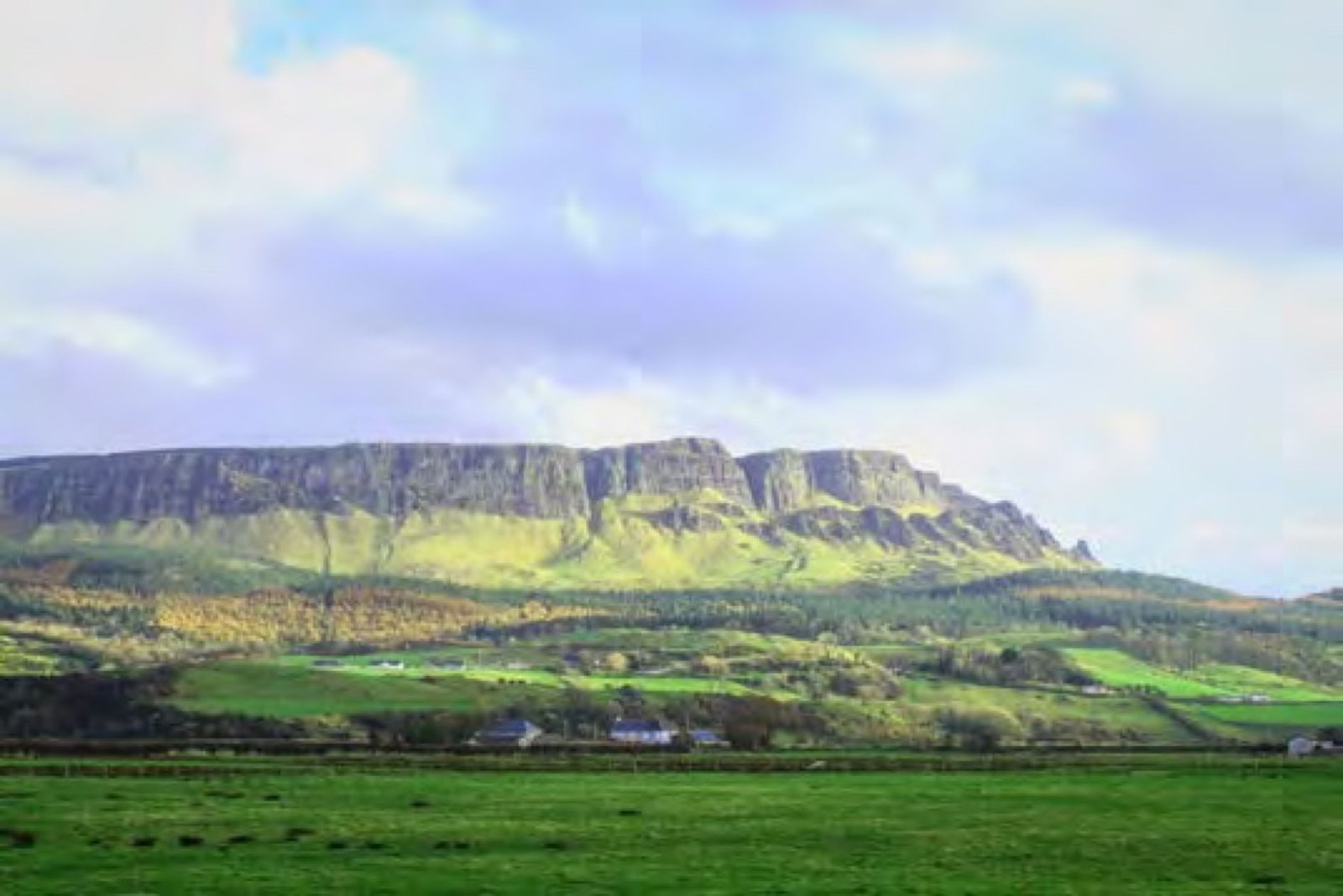
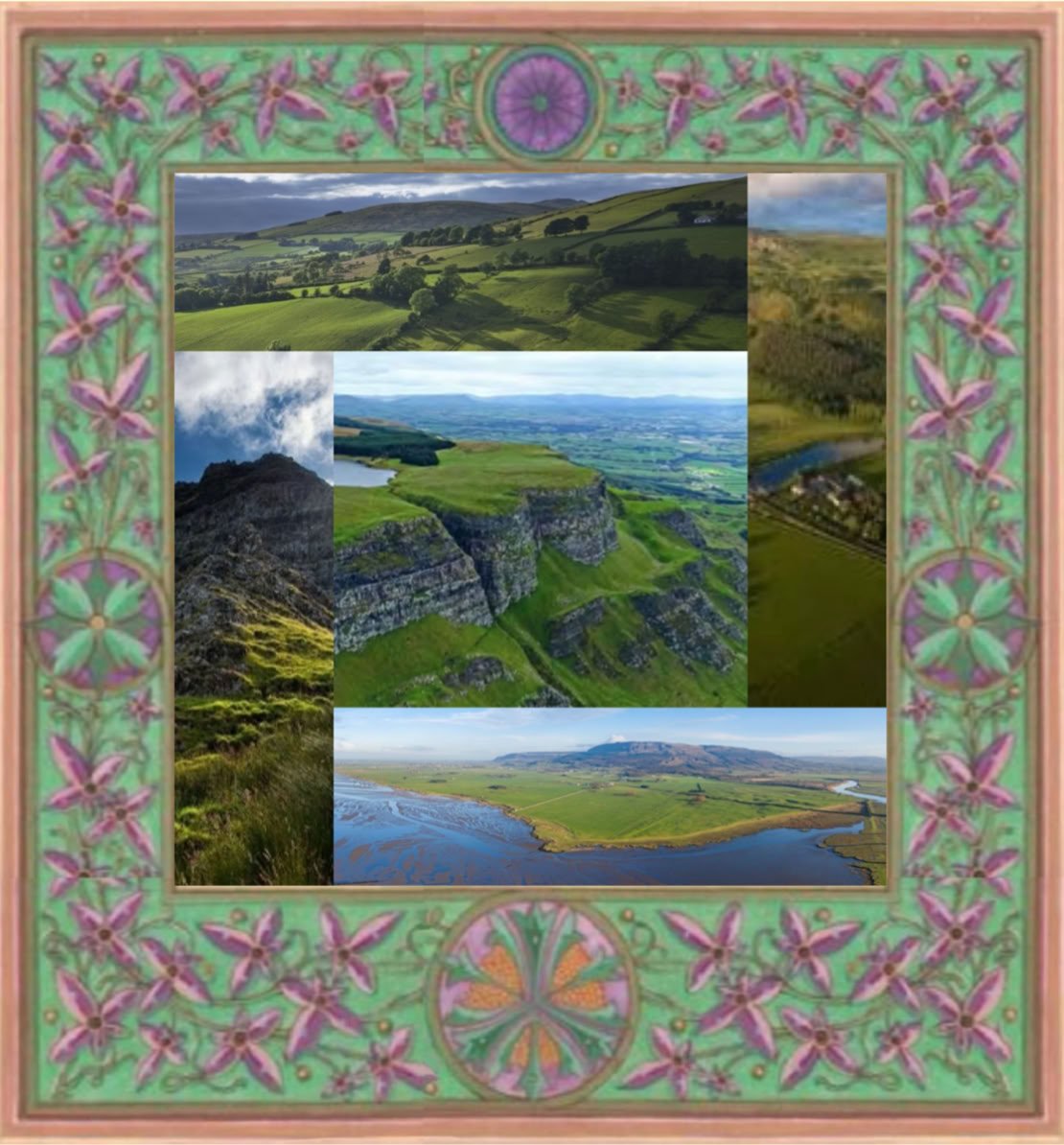
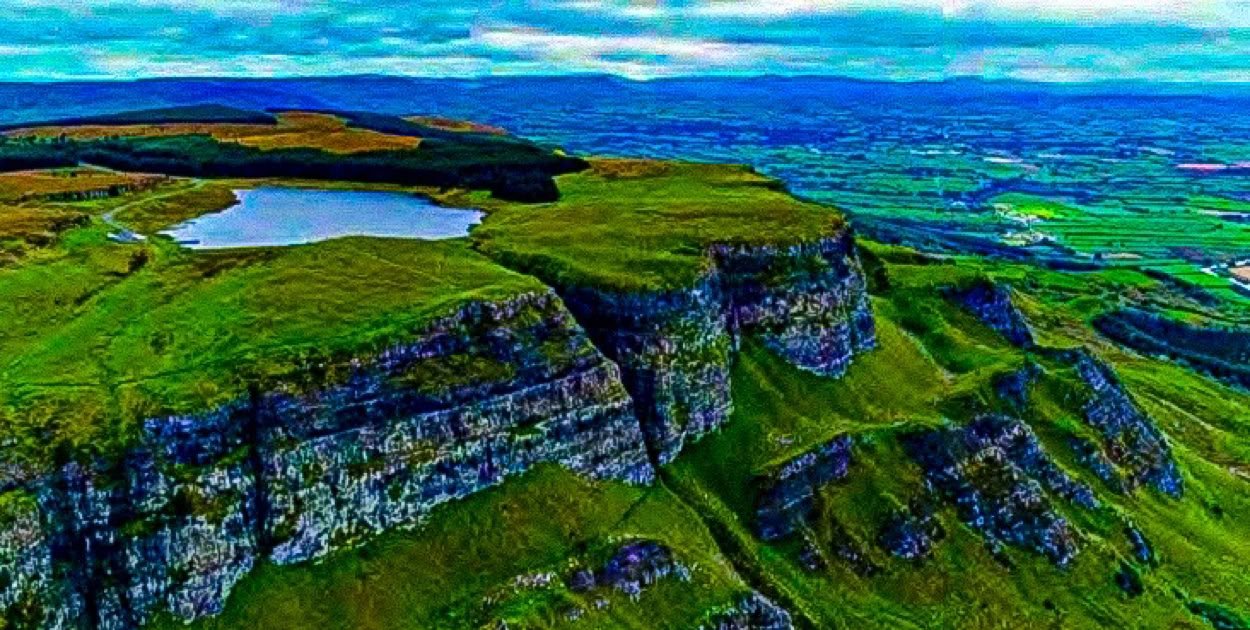
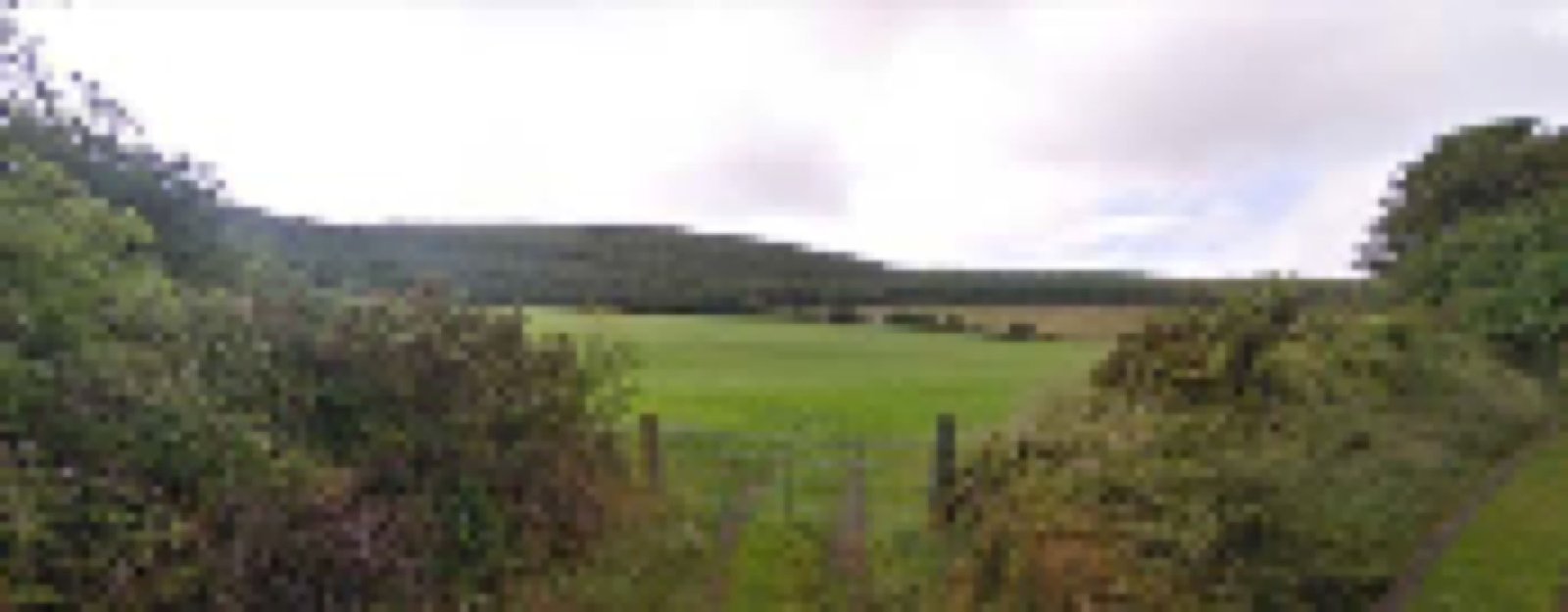
Binevenagh Mountain (County Londonderry, Northern Ireland)
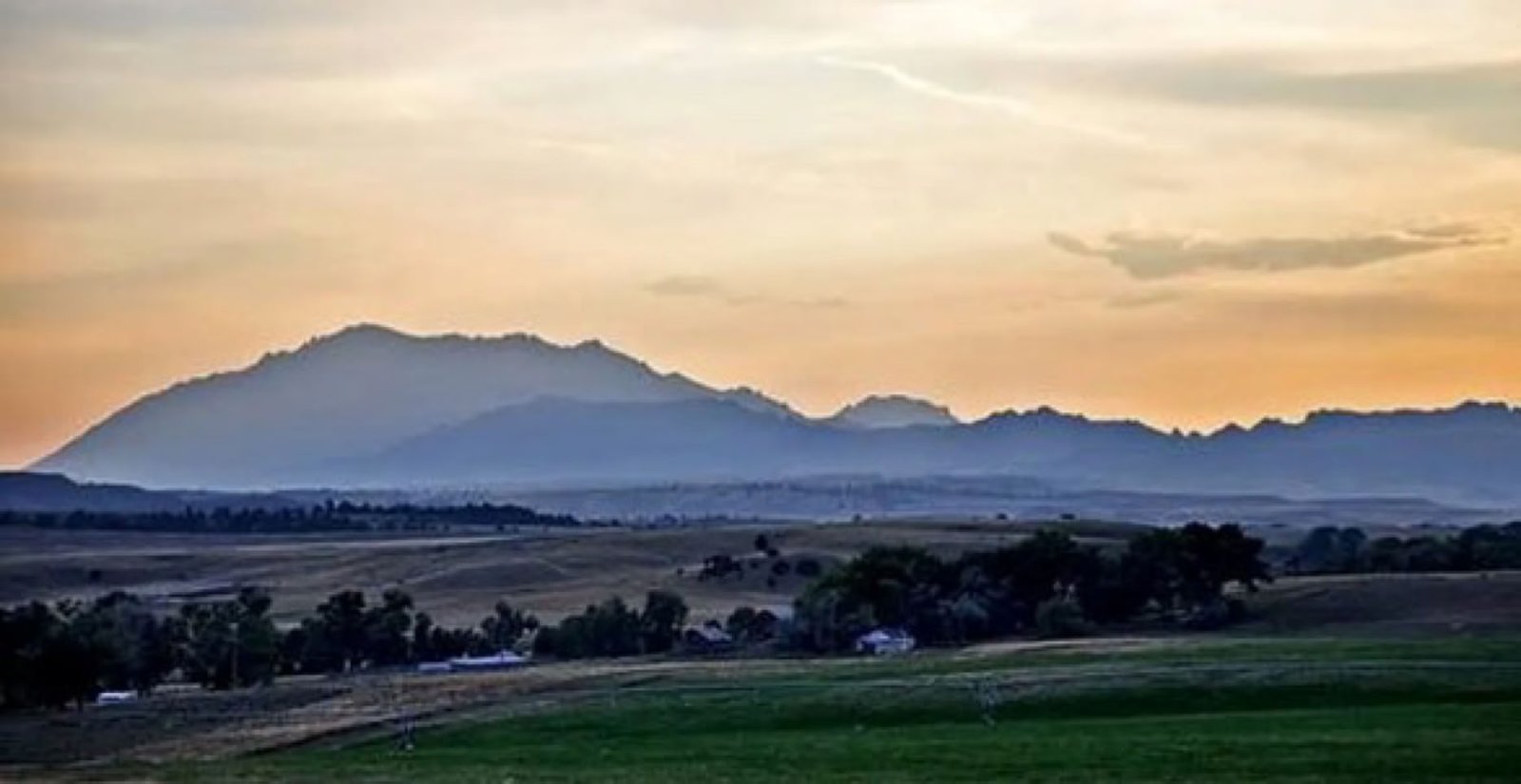
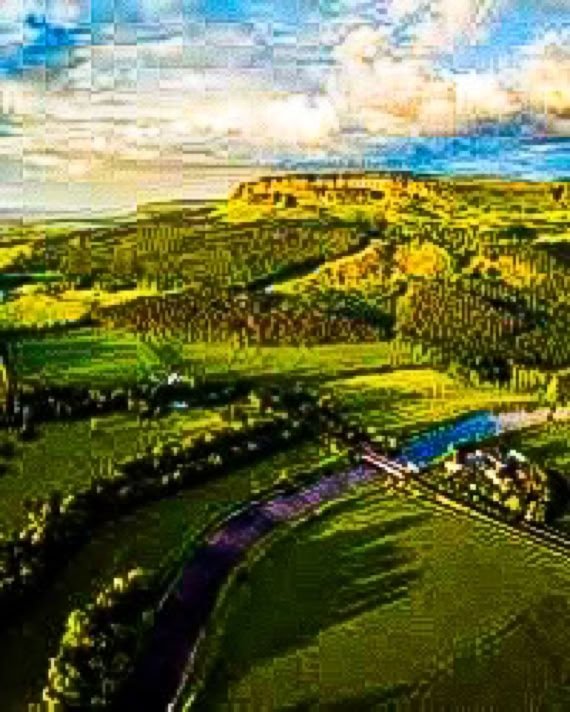
Sheep Mountain (Teton County, Wyoming)

A man driving across the prairie in
a two horse buggy _ so _ _ _ far away
to the right there is a _________ in
the ___like Brown..
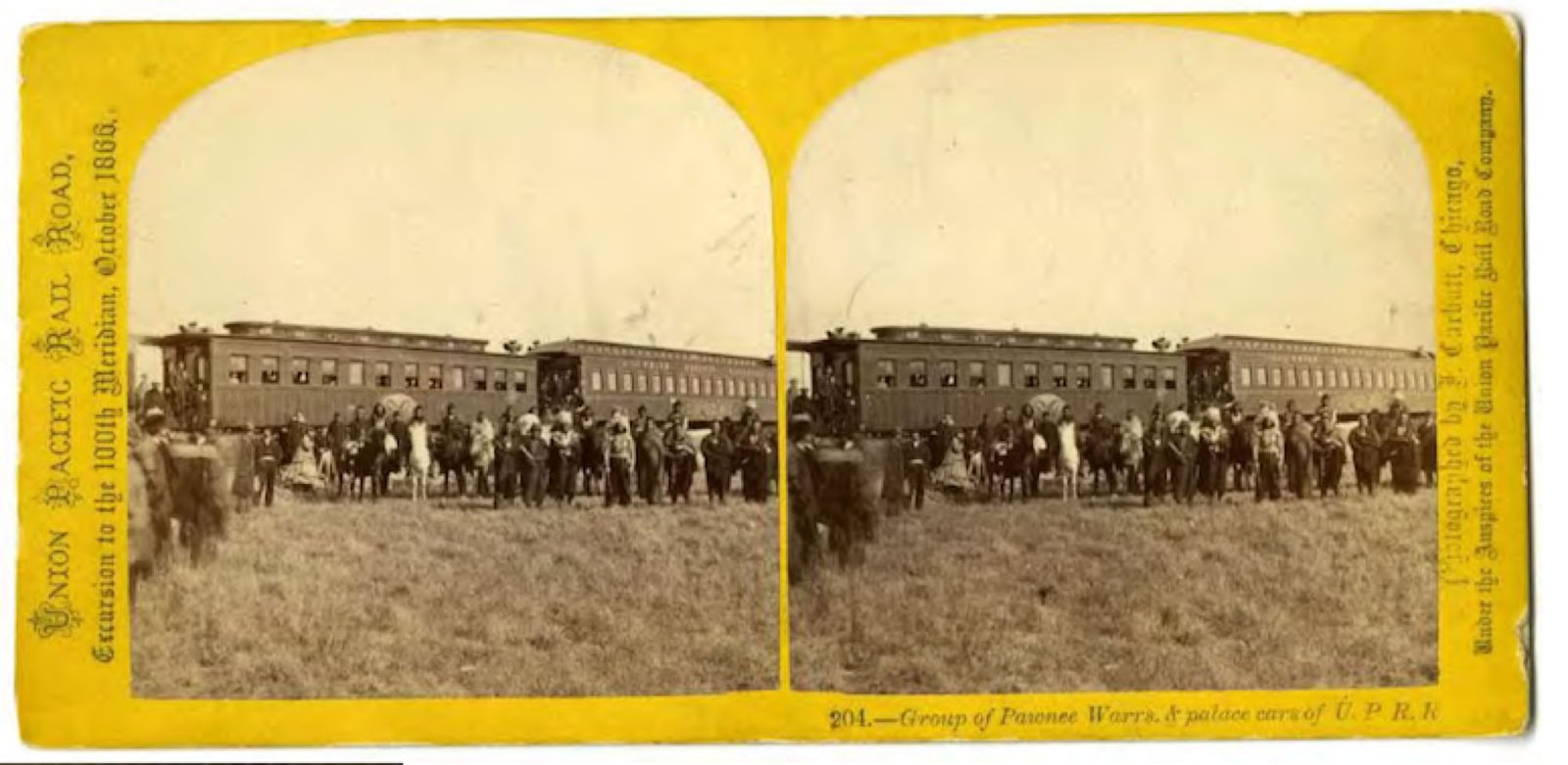
Northbend
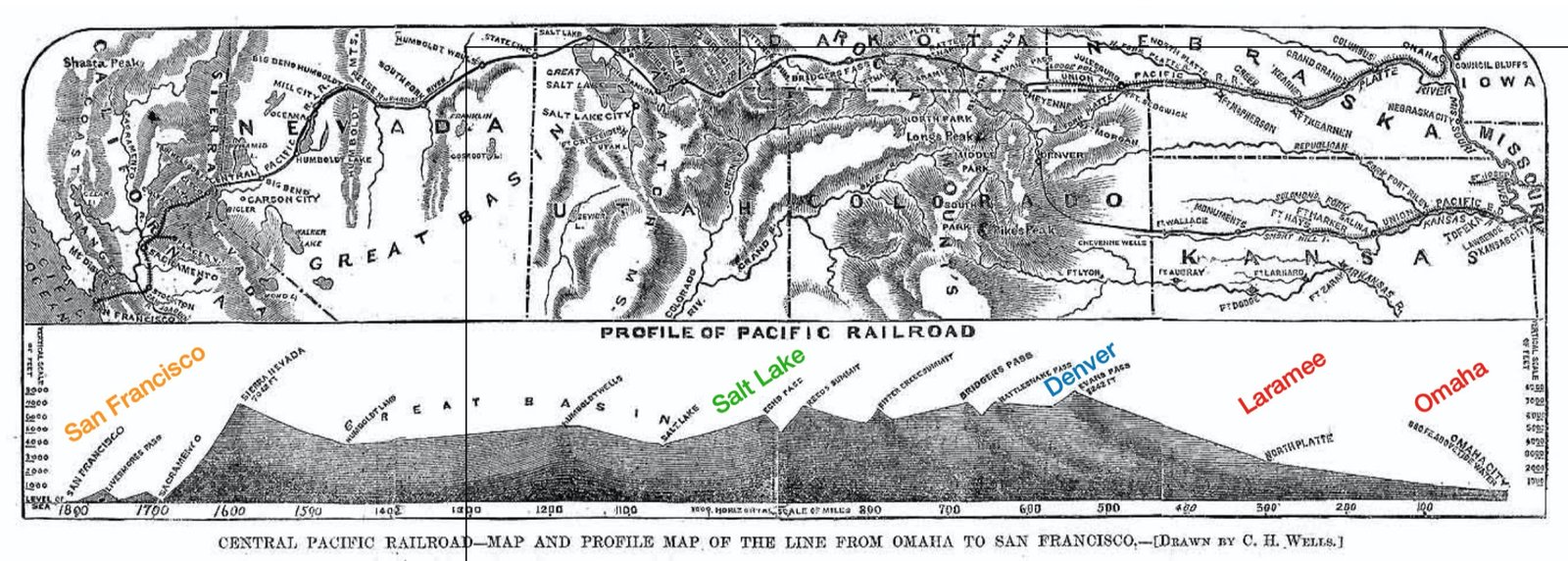
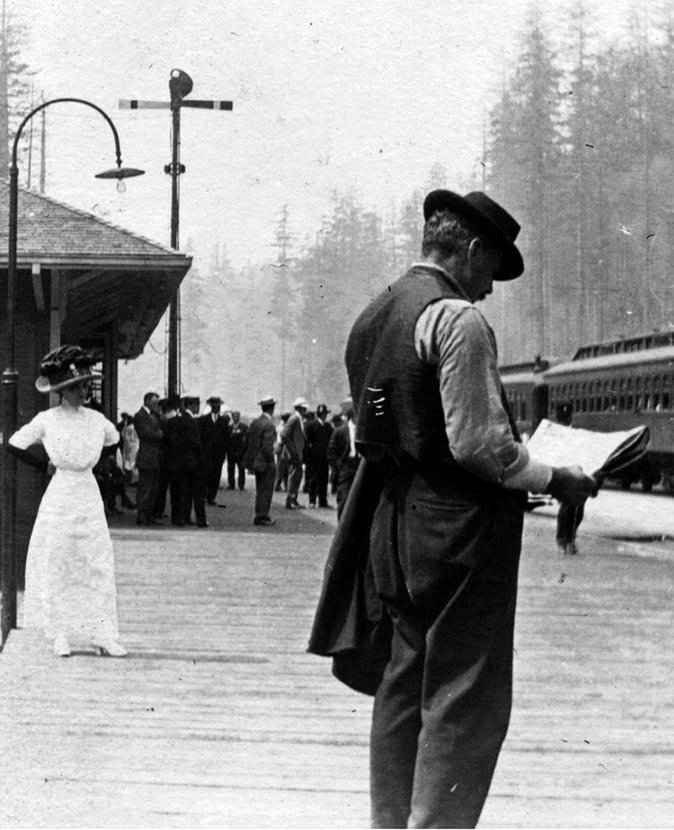
NORTH BEND
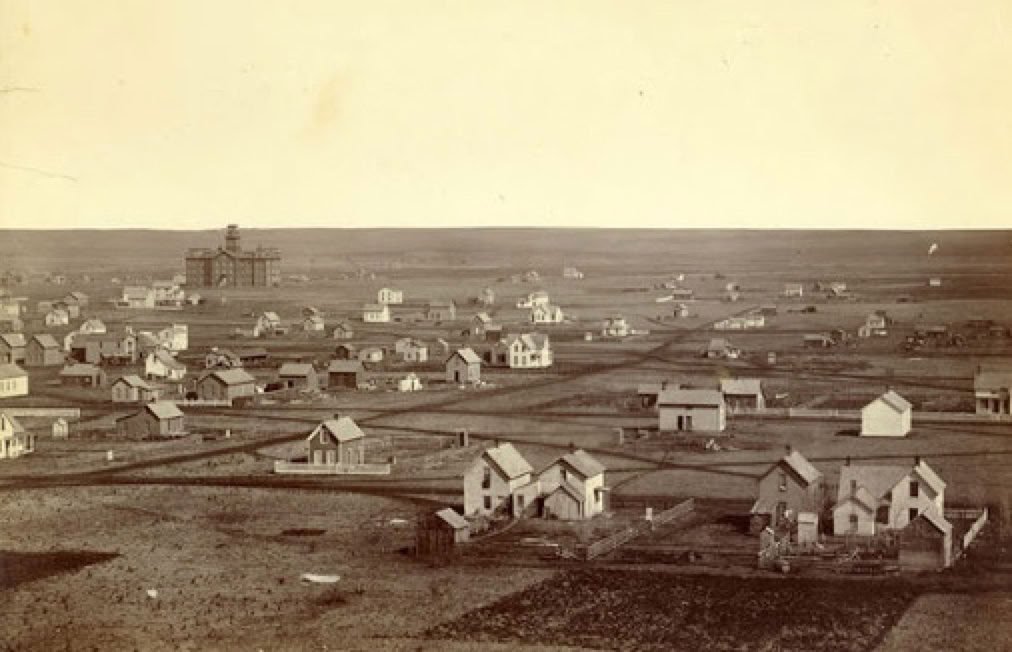
they undulate and have houses scattered on them. This place is called North Bend 62 miles west of Omaha.
Lorem ipsum dolor sit amet, consectetur adipiscing elit. Aliquam tincidunt lorem enim, eget fringilla turpis congue vitae. Phasellus aliquam nisi ut lorem vestibulum eleifend. Nulla ut arcu non nisi congue venenatis vitae ut ante. Nam iaculis sem nec ultrices dapibus. Phasellus eu ultrices turpis. Vivamus non mollis lacus, non ullamcorper nisl. Pellentesque habitant morbi tristique senectus et netus et malesuada fames ac turpis egestas. Phasellus sit amet
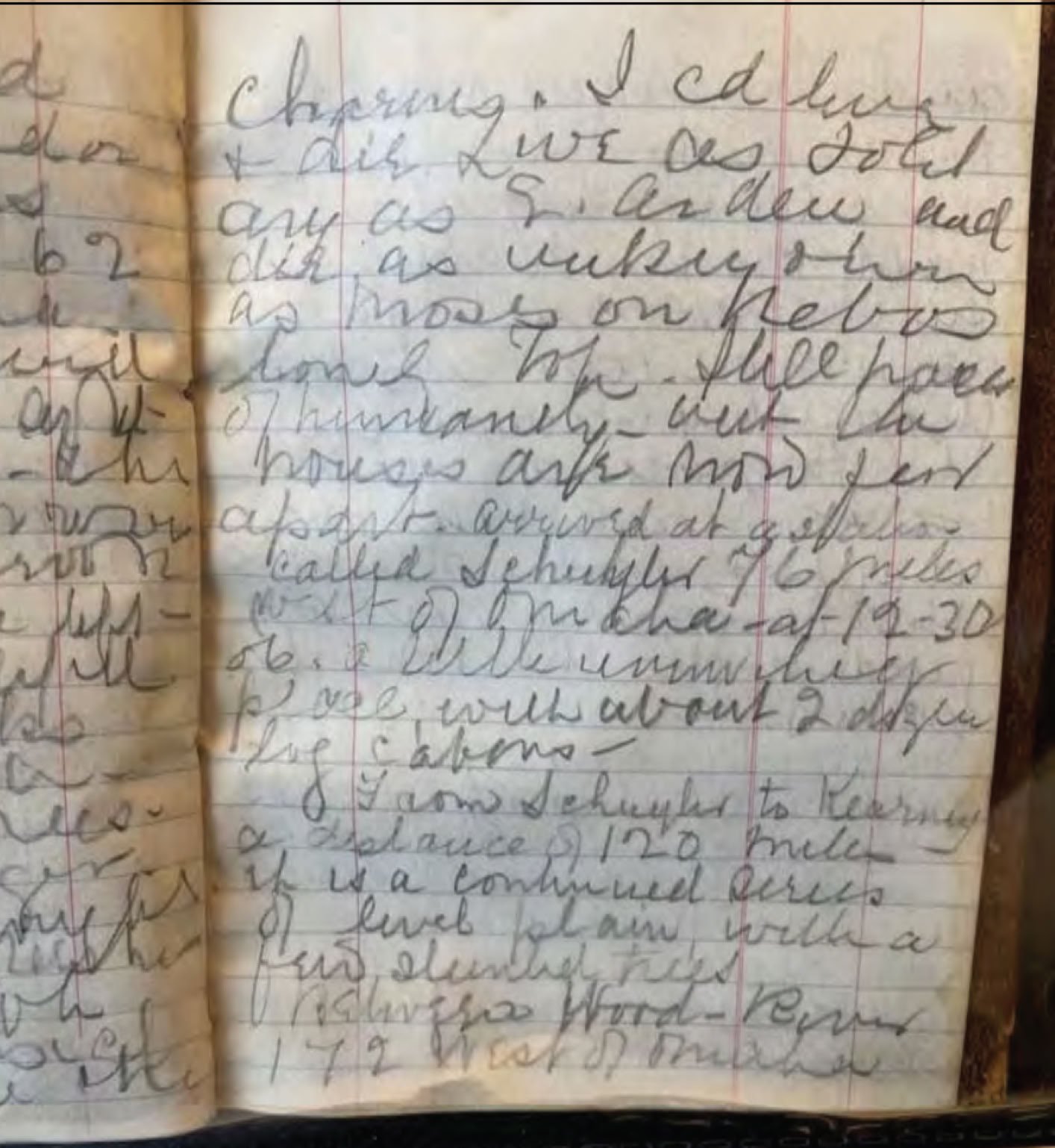
As were leave North Bend Oh what a glorious as it Bursts on my N _ _ _ the Morning hike _ _ _ _ _ _ I think of the brooking away to the liftoff that, the beautiful little hillocks like the umbra studded with bees. Here is the the fruges of God. The Theory of a Sethert
charming. I could live & die, Live as solid any as S. as due and die as unk_ _ _ _ _ as Moses on Hebos lonely. _ _ _ _ _ _ _ of humanity but the houses are now far apart. Arrived at a station called Schuyler 76 miles west of Omaha at 12-30 O’clock, a _ _ _ _ little uninviting place , with about 2 dozen log cabins.
From Schuyler to Kearney a distance of 120 miles, it is a continued series of level plain with a few stump trees.
Belivera Wood-Rivers 172 West of Omaha
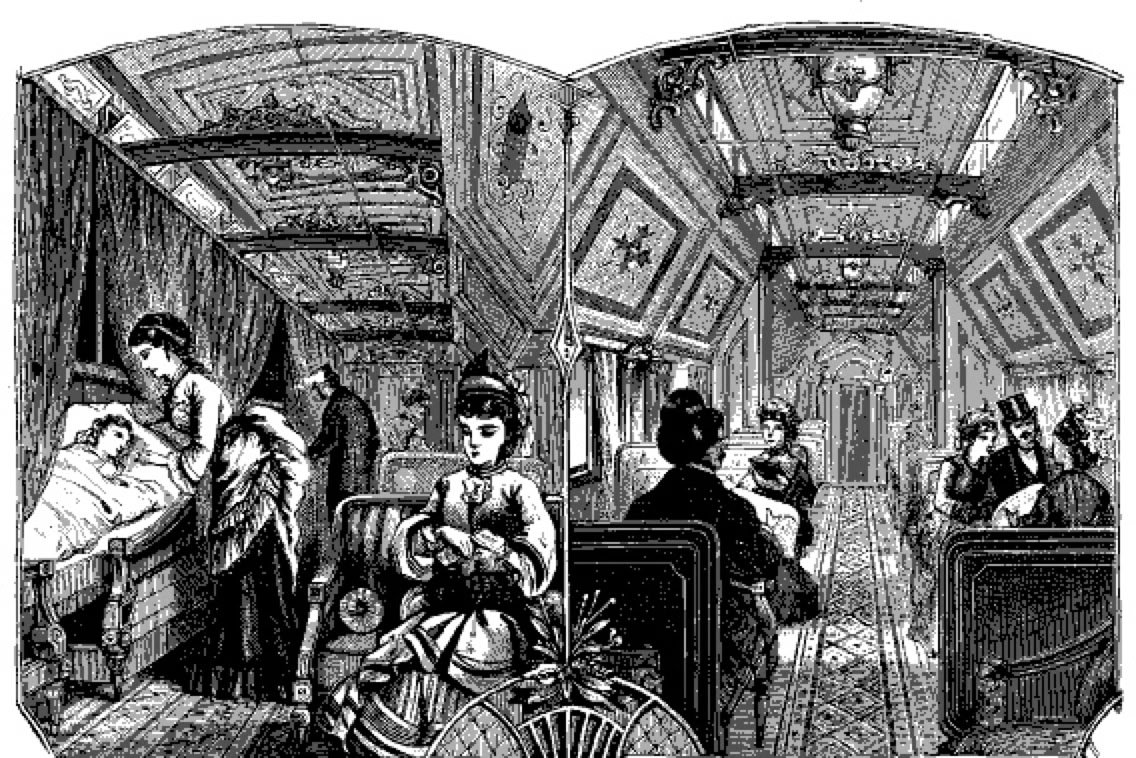
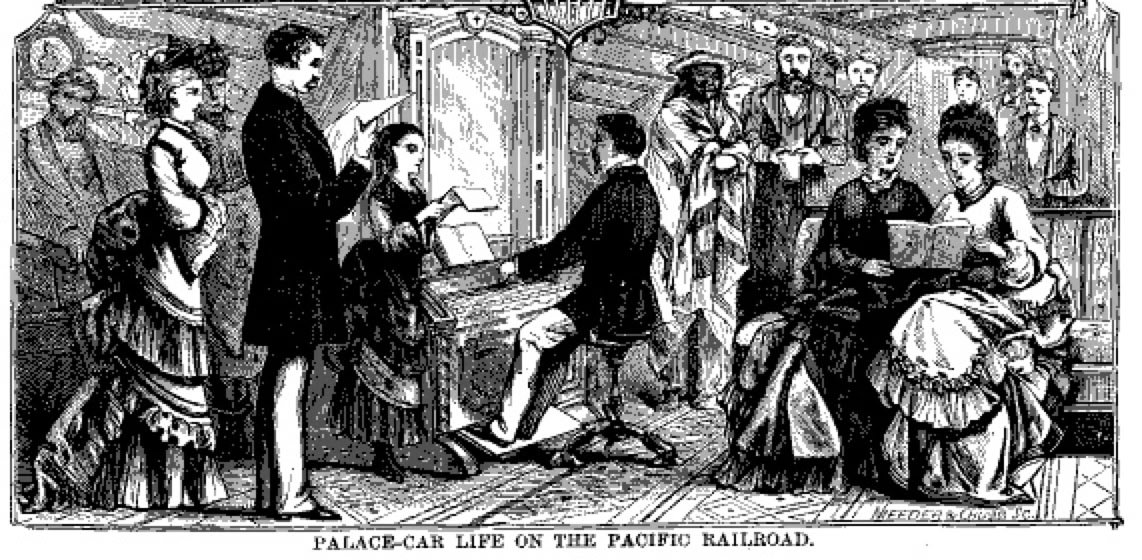
notes for Carter
are in green type